Key takeaways
- Budget: Entry-level Behringer Ultratone-style amps and small powered monitors. They offer several inputs and basic tone control, with limited output and ordinary speakers.
- Mid-range: The Roland KC-80 and comparable units from Laney and others. Better driver quality, tidy channel layout, and sturdier build.
- Premium: Larger Roland KC cabinets and high-end powered speakers aimed at touring players. Higher output, stereo operation, and better transport features.
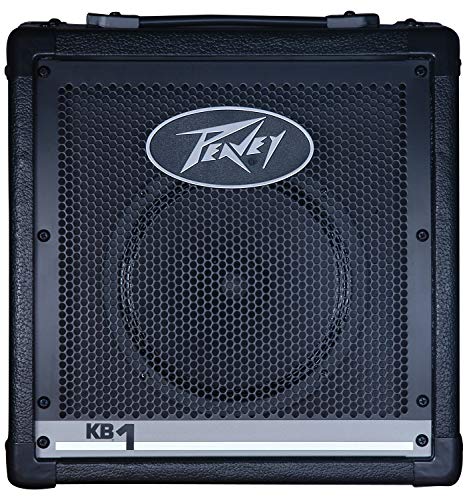
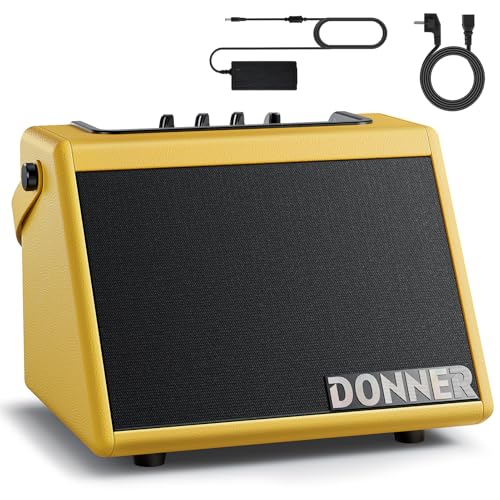
For a home player or small-room gigging keyboardist, a compact two- or three-channel powered keyboard amp such as the Roland KC-80 is the best starting point, while a larger KC-series or similar full-range cabinet suits band rehearsals and bigger stages. A keyboard amp is not a guitar amp: it is built to reproduce the full frequency range of a synth, piano or drum pad without coloring the tone or flattering only the midrange. Pick by how loud you must be, how many sources you plug in, and how far you need to carry the cabinet.
Our top picks


As an Amazon Associate we earn from qualifying purchases at no extra cost to you.
Why a keyboard amp is different from a guitar amp
Guitar amplifiers shape and limit the signal on purpose. Keyboards produce deep bass and sparkling highs, and a typical guitar speaker rolls both away. Keyboard amps use a woofer plus a tweeter (or a coaxial full-range driver), a flatter preamp, and more headroom so a hard-played piano patch does not distort. Many models also add an XLR microphone input and a stereo line input, which turns the amp into a small personal PA for a singer-keyboardist.
At a glance
| Option | Best for | Key stated specs | Limits |
|---|---|---|---|
| Roland KC-80 | Home practice, small gigs, singer-keyboardists | The maker lists 50 W rated output, a 10-inch woofer plus tweeter, three quarter-inch inputs plus an XLR mic input on channel one, aux input, and a weight of about 12.5 kg | Not loud enough to compete with a loud drummer in a large room |
| Larger Roland KC-series models | Band rehearsals, medium stages | Higher wattage and bigger drivers than the KC-80, with stereo operation on the bigger units, according to the maker | Heavier and more expensive; overkill for a bedroom |
| Behringer Ultratone series | Budget-conscious players needing multiple inputs | Multi-channel mixers with built-in effects on some models, as listed by the maker | Build and speaker quality sit below the premium brands; tone is functional rather than refined |
| Laney AH-series | Players who also want a general-purpose full-range monitor | Full-range cabinets aimed at keyboards, e-drums and acoustic instruments, per the maker | Fewer keyboard-specific inputs on some models |
| Small powered monitors or portable PA | Studio players and buskers | Compact, often with a bluetooth or mixer-style input panel | Not designed to take stage abuse like a purpose-built amp |
What to look for
Power and loudness
Wattage is only a rough guide, because speaker efficiency and cabinet design change real loudness. As a rule of thumb, reviewers report that a 50 W class amp covers a living room and acoustic-style duo gigs, while 100 W and above is the typical territory for playing with drums and electric guitar. Because a keyboard has a very wide dynamic range, extra headroom keeps loud passages clean. If you plan to play a pipe organ or deep synth bass patch, more power and a larger woofer are noticeably useful.
Inputs and channels
Count what you plan to connect: one stereo keyboard, a second synth, a vocal microphone, and a phone for backing tracks. A three-channel amp with an XLR mic input and an aux input handles all of those without an external mixer. Make sure a stereo keyboard is supported properly; some amps sum stereo to mono, which is fine for most stage use but less satisfying at home.
Cabinet size and weight
The Roland KC-80, at roughly 12.5 kg according to the maker, is about as heavy as most players want to carry up stairs regularly. Larger cabinets add several kilograms. Look for a solid handle, a corner-protected cabinet and, on larger units, a pole-mount socket so the amp can sit on a stand and project over the heads of a crowd.
Effects and tone shaping
Built-in reverb is common and useful for vocals; some models add chorus, delay or modulation. A basic equalizer per channel lets you tame boomy rooms. Remember that your keyboard already has its own effects, so extra processing in the amp is a bonus, not a necessity.
Budget tiers
- Budget: Entry-level Behringer Ultratone-style amps and small powered monitors. They offer several inputs and basic tone control, with limited output and ordinary speakers.
- Mid-range: The Roland KC-80 and comparable units from Laney and others. Better driver quality, tidy channel layout, and sturdier build.
- Premium: Larger Roland KC cabinets and high-end powered speakers aimed at touring players. Higher output, stereo operation, and better transport features.
Pick X if …
| If you … | Pick | Why |
|---|---|---|
| Practice at home and play the occasional small gig | Roland KC-80 | Moderate size, mic input, enough output for small rooms |
| Play with a drummer regularly | A larger KC-series cabinet | More power and a bigger woofer reduce the risk of distortion |
| Need several inputs on a tight budget | Behringer Ultratone-class amp | Multi-channel at an entry-level tier |
| Also want to play e-drums or acoustic instruments through it | Laney AH-series | Designed as a general full-range cabinet |
| Record at a desk and rarely perform live | Powered studio monitors | Flatter response and smaller footprint |
Placement and care
Tilt the cabinet back or place it on a stand so the sound reaches your ears rather than your knees. Keep drinks away from the vents and input panel. Use balanced cables for any long run from a mixer, and keep ground-loop humming in mind: a hum when you connect a laptop is usually a grounding issue, solved with a direct box or ground-lift adapter rather than by opening the amp. If an amp smells of burning, crackles constantly or trips a breaker, unplug it and take it to a qualified technician; do not open a powered cabinet yourself.
Alternatives to a dedicated keyboard amp
- Powered PA speaker: A single active PA cabinet gives clean, loud full-range sound and is often lighter per decibel. You will need a small mixer if you have more than two sources.
- Studio monitors: Ideal for a bedroom setup where tone accuracy matters more than volume.
- Headphones or a direct box to the house PA: If you gig where a sound engineer provides the PA, a good direct box and in-ear monitors may be all you need.
Common mistakes
Buying an amp that is too small is the most frequent regret: a 30 W-class amp can sound fine alone and then vanish in a band. The second mistake is assuming a guitar combo will do; it can be used, but the top end of your patches will sound dull and the low notes may rattle the speaker. Finally, many buyers ignore weight until the first load-in. Handle comfort matters more than a spec sheet.
How to match an amp to your situation
Bedroom and home practice
At home, volume is rarely the problem; clarity at low level is. A compact amp with a clean preamp and a modest woofer reproduces piano and string patches without needing to be turned up. Place the cabinet on a sturdy shelf or stand rather than directly on a desk, because bass frequencies can vibrate a table and blur the sound.
Church, school and small-venue use
Players in worship bands and school ensembles often need to cover a keyboard, a vocal microphone and a backing track from a phone. This is where multi-input amps earn their keep. Look at the number of line inputs, whether the aux input has its own level control, and whether the amp can feed a larger PA through a line or direct output. Reviewers commonly point out that a direct output saves a lot of trouble when a venue provides a mixing desk.
Rehearsing with a band
Drums and guitar amps raise stage volume quickly. A keyboard amp in this setting has to project above the noise without turning harsh. Larger cabinets with a 12-inch or bigger woofer, or a pole-mounted cabinet angled at ear height, make a bigger difference than simply adding wattage. If you cannot hear yourself, aim the speaker upward and consider in-ear monitors rather than turning up the gain, which risks distortion and tired ears.
Cables and signal chain tips
Use short, good-quality quarter-inch cables for unbalanced runs and balanced cables for longer distances. If your keyboard has stereo outputs, plug both into a stereo amp or a two-channel pair; if the amp is mono, the maker’s manual may advise using only the left or mono output to avoid phase cancellation. Keep power cables separate from signal cables to reduce hum. A surge-protected power strip helps protect your gear, though avoid daisy-chaining high-draw equipment on a single cheap extension lead.
Keep levels sensible: set your keyboard’s master volume near its sweet spot, then raise the amp’s channel gain until the loudest passages sit just below any clip indicator. Running the keyboard very low and the amp very high adds noise, while the opposite can distort the amp input. Hearing protection is worth using for long rehearsals, since keyboards can be tiring when the high frequencies are unfiltered.
Frequently Asked Questions
Can I use a guitar amp for my keyboard?
You can, but the result is usually a muddy, narrow sound with weak bass and dull highs. Guitar speakers are tuned for a limited range. If you do use one, keep volumes low, turn effects off and expect some tone loss.
How many watts do I need?
For bedroom practice a modest amp is plenty, and a 50 W class model like the Roland KC-80 is described by the maker as suitable for small venues. Playing with a live drummer generally calls for substantially more output. Choose more headroom than you think you need.
Do I need a stereo keyboard amp?
Stereo is a nice extra for pianos, pads and strings at home, but for gigs most players sum to mono because audience members hear only one side anyway. If stereo matters, pick a model whose maker states stereo operation, or use two matched speakers.
Can I plug a microphone into a keyboard amp?
Many models include an XLR mic input, and the Roland KC-80 lists one on its first channel. Check the manual for phantom power; condenser microphones generally need it, and many amps do not supply it, so a dynamic microphone is the safer match.
Why does my keyboard amp hum?
The usual cause is a ground loop, a bad cable or interference from a dimmer or laptop power supply. Try a different outlet, a balanced cable, or a direct box with a ground lift. If the hum stays or the unit behaves oddly, have a qualified technician inspect it.
Is a powered speaker better than a keyboard amp?
Not necessarily. A powered PA speaker is clean and light, but a keyboard amp bundles a mixer, mic input and tone controls in one box. If you have several sources and play small venues, the integrated amp is simpler.