Key takeaways
- Succulents and cacti: a porous or shallow ceramic pot with a drainage hole, and fast-draining soil.
- Pothos, philodendron and similar trailing plants: medium glazed pots, ideally on a stand or shelf so vines can hang.
- Snake plant and ZZ plant: stable, heavier pots because the plants can be top-heavy; avoid overwatering.
- Ferns and tropicals: glazed pots that hold some moisture, with drainage so the soil does not stay soggy.
- Herbs: a series of small, matching pots on a bright windowsill with saucers.
The best decorative ceramic planter is the one with a drainage hole and saucer (or a snug inner nursery pot) that is sized roughly two to five centimetres wider than your plant’s current pot: glazed ceramic suits most houseplants and wet-loving species, unglazed terracotta-style ceramic suits cacti, succulents and plants that dislike wet roots, and a no-hole cachepot suits people who keep the plant in a plastic nursery pot inside. Style matters, but drainage, size and weight decide whether a planter keeps a plant healthy.
Our top picks


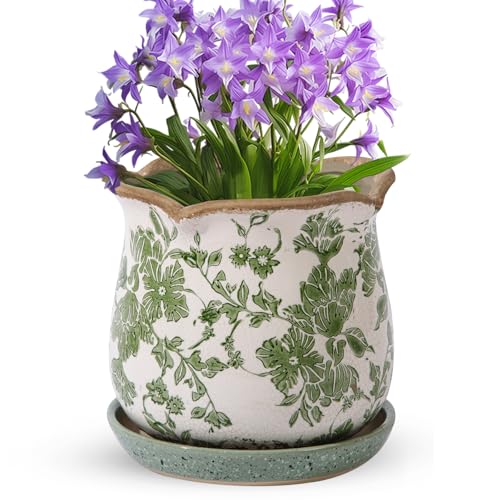
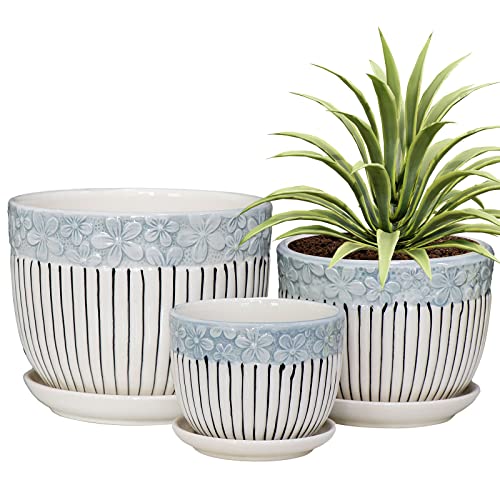
As an Amazon Associate we earn from qualifying purchases at no extra cost to you.
Planter types at a glance
| Type | Best for | Key traits | Limits |
|---|---|---|---|
| Glazed ceramic with drainage hole and saucer | Most indoor plants | Glaze limits water loss through walls; holds colour and pattern well | Heavy; dries slowly so overwatering is easier |
| Unglazed or matte ceramic (terracotta-like) | Cacti, succulents, herbs | Porous walls let soil dry faster | Can leave moisture marks on furniture; can wick water |
| Cachepot (no drainage hole) | Display pot over a plastic nursery pot | Protects surfaces; swaps plants easily | Water can pool at the bottom if you forget to empty it |
| Planter with bamboo or metal stand | Small spaces, mid-century look | Lifts the pot, adds airflow and height | Check stand weight rating |
| Large floor planter | Statement plants like rubber trees | Stable base, space for roots | Very heavy once filled; hard to move |
| Set of small planters | Shelves, windowsills, gifts | Matching sizes for herbs or succulents | Small soil volume dries quickly |
What matters most when choosing
Drainage
Plant care sources, including extension services, generally advise a drainage hole for most houseplants because standing water around roots can lead to root rot. If you fall for a pot without a hole, use it as a cachepot: keep the plant in a plastic nursery pot with holes and lift it out to water, then let it drain before returning. Alternatively, add a hole with a ceramic drill bit, taking care with safety glasses and a dust mask.
Size
Choose a planter slightly larger than the current pot, usually by a few centimetres across, so the roots have room but the soil does not stay wet too long. A very oversized pot holds more water than the roots can use. For a cachepot, the inner pot should slide in with a small gap.
Material and glaze
Ceramic is fired clay. Glazed surfaces are sealed, which makes them easy to wipe and slower to dry. Unglazed surfaces are porous, which helps soil dry faster but can absorb moisture and, over time, show mineral deposits. Ask the seller whether the interior is glazed if this matters to you.
Weight and stability
Ceramic is heavy, especially with wet soil. Large planters need a stable surface. Place tall or top-heavy pots away from pets and children, and do not use heavy planters on weak shelves.
Frost
Not all ceramic is frost-proof. Outdoor use in freezing weather can crack pots that hold water, unless the maker states frost resistance. Check the product description.
Style options
Decorative ceramic planters come in solid colours, speckled finishes, textured and ribbed designs, and hand-painted patterns. Makers such as Mkono, La Jolie Muse and various home-decor brands sell sets and singles, often paired with bamboo stands or matching saucers. Neutral whites and creams suit minimalist rooms, earthy tones suit boho or natural spaces, and bold glazes work as accents. Reviewers frequently mention that colour in photos can differ from real life, so check the listed finish and any customer photos.
Matching planter to plant
- Succulents and cacti: a porous or shallow ceramic pot with a drainage hole, and fast-draining soil.
- Pothos, philodendron and similar trailing plants: medium glazed pots, ideally on a stand or shelf so vines can hang.
- Snake plant and ZZ plant: stable, heavier pots because the plants can be top-heavy; avoid overwatering.
- Ferns and tropicals: glazed pots that hold some moisture, with drainage so the soil does not stay soggy.
- Herbs: a series of small, matching pots on a bright windowsill with saucers.
Some common houseplants, including certain lilies, pothos and philodendrons, are harmful to cats, dogs and children if chewed. If you have pets, check the plant against a reputable pet-safety list or ask a vet, and keep planters out of reach where needed.
Care and cleaning
- Wash new planters with warm soapy water before planting.
- Empty saucers after watering so roots do not sit in standing water.
- Use felt pads or trivets under planters to protect wood furniture from moisture and scratches.
- Remove white mineral deposits with a cloth and a diluted vinegar solution, and rinse well.
- Check planters for chips and hairline cracks before refilling, since cracks can worsen when the pot is wet or frozen.
Decision table
| If you… | Pick |
|---|---|
| Want an easy default for most houseplants | Glazed ceramic with drainage hole and saucer |
| Grow succulents or cacti | Unglazed or matte ceramic with drainage |
| Prefer to keep the plant in its nursery pot | Cachepot with no hole |
| Have limited floor space | Planter with stand or a hanging-style set |
| Need a statement plant for a corner | Large floor planter with a hole and a plant caddy |
| Want a gift for a plant beginner | Small set with saucers |
Practical buying advice
Measure before you buy. Check the width of the shelf or windowsill, the height available under a plant light or ceiling, and the diameter of the nursery pot your plant now sits in. Listing dimensions can refer to the outer or inner measurement, so read the description closely and look for the inside diameter if you plan to drop in a plastic pot.
Think about where the planter will live. Windowsills can be cold in winter and hot in summer, and ceramic holds that temperature. Floor planters need a flat, stable surface and are best fitted with a caddy on wheels if you will move them. Wall-hung or shelf planters should be rated by the maker for the weight of wet soil and a mature plant.
Finally, inspect the delivered planter right away. Ceramic can arrive chipped, and glaze may vary slightly between pieces in a set. Look at the base for rough edges that could scratch furniture, and sand or pad them. Check the drainage hole is fully open, since some glazed pots have the hole partly sealed by glaze. If you see hairline cracks, return the item, since a cracked pot can fail once filled with wet soil.
Alternatives worth a look
- Classic terracotta: inexpensive and breathable; add a glaze-matching saucer for a cleaner look.
- Self-watering planters: ceramic or plastic pots with a reservoir help if you travel, but they suit thirsty plants better than succulents.
- Concrete or cement planters: heavy, modern and weather-tolerant, though check for drainage and seal.
- Fabric grow bags inside a cachepot: good drainage and airflow with a decorative outer shell.
Frequently Asked Questions
Do ceramic planters need drainage holes?
For most plants, yes. Drainage lets excess water escape and reduces the risk of root rot. If a planter has no hole, use it as a cachepot with a plastic nursery pot inside, and empty any water that collects at the bottom.
How do I choose the right size?
Pick a pot a few centimetres wider than the current one. Too large a pot keeps soil wet for longer than roots can use. If you are using a cachepot, make sure the inner pot fits with a small gap.
Is glazed or unglazed ceramic better?
Glazed ceramic is easier to clean and dries more slowly, so it suits moisture-loving plants. Unglazed ceramic is porous and dries faster, which suits succulents and cacti. Consider your watering habits too.
Can ceramic planters be used outdoors?
Some can, but not all are frost-proof. Water absorbed into the clay can freeze and crack the pot. Use outdoors only if the maker says it is suitable, and bring pots in during hard frost if unsure.
How do I stop planters from marking furniture?
Use a saucer and place felt pads or a trivet underneath. Empty the saucer after watering. Porous pots can transfer moisture, so a protective layer is wise on wood.
Are decorative planters safe around pets?
The planter itself is generally fine, but heavy pots can tip if pushed, and some plants are toxic if chewed. Check plant safety with a reputable pet resource or your vet, and place planters where they cannot fall.