Key takeaways
- Gain: Low-output dynamics need an interface with enough clean gain. Check the interface’s gain figure against the microphone’s sensitivity listed by the maker.
- Inline boosters: Devices like Cloudlifter-style boosters add gain from phantom power. They are common with the SM7B and RE20.
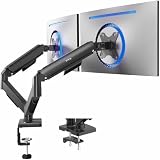
- Boom arm: Heavy microphones like the RE20 and SM7B need a sturdy arm rated for the weight. Check the arm’s stated load capacity.
- Pop filter and windscreen: Many broadcast dynamics include one, but a second layer helps with plosives.
- Cables: Use balanced XLR cables of reasonable quality, especially for long runs.
- Room: A dynamic microphone reduces room noise but does not remove it. Soft furnishings and close microphone placement help.
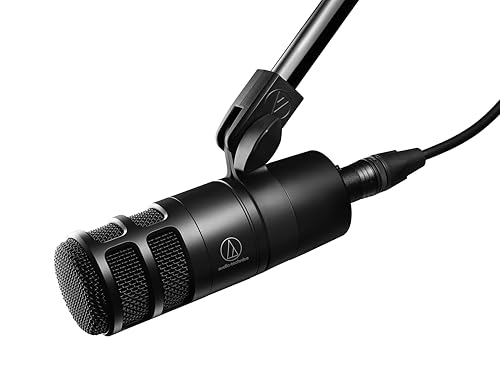
For most broadcasters and podcasters, the Shure SM7dB is the easiest dynamic microphone to recommend because it has a built-in preamp, while the Shure SM7B suits those who already own a high-gain interface, the Electro-Voice RE20 suits radio-style voices and untreated rooms, and the Rode PodMic or Samson Q9U cover tighter budgets. The best dynamic broadcast microphone is the one that matches your preamp, your room and your voice.
Our top picks



As an Amazon Associate we earn from qualifying purchases at no extra cost to you.
Why Dynamic Microphones Dominate Broadcast
Dynamic microphones are rugged, handle loud sources well and reject much of the room sound compared with condenser microphones. That makes them the default choice for radio, podcasting and streaming in untreated rooms. They usually have a cardioid or supercardioid pickup pattern, so sound from the sides and rear is reduced. Most are designed for close talking, typically a few inches from the mouth, which also helps the proximity effect that gives broadcast voices a fuller low end. The trade-off is that many dynamic microphones are low-output and need preamp gain, which is why interface choice matters.
At a Glance: Microphone Comparison
| Microphone | Best for | Key stated traits (maker lists) | Limits |
|---|---|---|---|
| Shure SM7dB | Voice-over, podcasting and radio with basic interfaces | Cardioid dynamic with built-in preamp and switchable gain/filters, XLR output | Premium tier; needs phantom power for the preamp |
| Shure SM7B | Studio broadcast with a high-gain interface | Cardioid dynamic with bass roll-off and presence boost switches, XLR output | Low output needs a strong preamp or inline booster |
| Electro-Voice RE20 | Radio, voice-over and untreated rooms | Variable-D design intended to reduce proximity effect, cardioid pattern | Larger and heavier; low output needs clean gain |
| Rode Procaster | Broadcast-style voice at a mid-range tier | Cardioid dynamic with internal pop filter, XLR | Needs good preamp gain |
| Rode PodMic / PodMic USB | Budget podcasting; USB version for direct computer use | Cardioid dynamic with integrated pop protection; USB variant has built-in interface per the maker | Less refined than premium models; heavy for light arms |
| Samson Q9U / Q2U | Budget broadcast with both XLR and USB | Dynamic with dual outputs per the maker | Build and sound are basic compared with premium models |
| Audio-Technica AT2040 / ATR2100x-USB | Budget podcasting | Hypercardioid or cardioid dynamic; ATR2100x offers USB and XLR | Modest low-end warmth |
| Heil PR 40 | Streamers and podcasters who want a bright, detailed sound | Large-diaphragm dynamic, cardioid | Needs gain and a sturdy boom arm |
| Shure MV7+ | Hybrid USB and XLR use | Hybrid dynamic with USB and XLR outputs per the maker | Different tone from the SM7 family |
Model lines and accessories change over time. Check the maker’s page for current specifications and whether a model is still in production before buying.
Premium Tier: SM7dB, SM7B and RE20
The Shure SM7 family is a studio and broadcast standard. The SM7B has a long history in radio and podcasts, and its presence boost and bass roll-off switches let you shape the tone. Its low output means you need an interface with plenty of clean gain, or an inline booster. The SM7dB adds a built-in preamp that Shure says provides additional gain, which removes the need for a booster and makes the microphone friendlier to basic audio interfaces. It needs phantom power for the preamp, so check that your interface provides it.
The Electro-Voice RE20 is another broadcast classic. Its Variable-D design is intended to keep the sound consistent as you move closer or further from the capsule, which is useful for presenters who shift around. Reviewers describe its sound as natural and neutral. It is larger and heavier than most competitors, so you need a proper boom arm, and it also demands clean gain.
Mid-Range Tier: Rode Procaster and Heil PR 40
The Rode Procaster is a broadcast-oriented dynamic with a built-in pop filter and an internal shock mount design. It delivers a clear, controlled voice. The Heil PR 40 has a brighter, more open tone that some streamers like, though it can sound less forgiving of harsh voices. Both benefit from a good preamp and a sturdy arm.
Budget Tier: PodMic, Q9U, AT2040 and ATR2100x
If you need a capable dynamic microphone without a large spend, the Rode PodMic, Samson Q9U and Audio-Technica AT2040 and ATR2100x-USB are common recommendations among reviewers. The PodMic USB and Q9U / Q2U have USB output, so you can plug straight into a computer, while the XLR outputs let you move to an interface later. These microphones are less detailed than premium models, but with good technique and a quiet room they sound professional. Weigh them up against the cost of an interface if you pick an XLR-only model.
Preamp, Interface and Accessories
- Gain: Low-output dynamics need an interface with enough clean gain. Check the interface’s gain figure against the microphone’s sensitivity listed by the maker.
- Inline boosters: Devices like Cloudlifter-style boosters add gain from phantom power. They are common with the SM7B and RE20.
- Boom arm: Heavy microphones like the RE20 and SM7B need a sturdy arm rated for the weight. Check the arm’s stated load capacity.
- Pop filter and windscreen: Many broadcast dynamics include one, but a second layer helps with plosives.
- Cables: Use balanced XLR cables of reasonable quality, especially for long runs.
- Room: A dynamic microphone reduces room noise but does not remove it. Soft furnishings and close microphone placement help.
USB, XLR or Hybrid?
USB dynamic microphones are simple and fit single-person streams and podcasts. XLR microphones offer upgrade paths and are standard in studios. Hybrid models such as the Shure MV7+, Samson Q9U and Rode PodMic USB give both options, which is useful if you expect to upgrade. If you plan to record multiple guests, an XLR setup with a multi-channel interface or mixer scales better.
Pick X If… Decision Table
| Pick this | If you |
|---|---|
| Shure SM7dB | want broadcast sound and a built-in preamp with a basic interface |
| Shure SM7B | already own a high-gain interface or booster and want the classic voice tone |
| Electro-Voice RE20 | work in an untreated room and want consistent tone while moving |
| Rode Procaster | want a mid-range XLR broadcast microphone with built-in pop protection |
| Rode PodMic or PodMic USB | want a budget podcast microphone with a clean look |
| Samson Q9U or ATR2100x-USB | want dual USB and XLR outputs at a low spend tier |
| Heil PR 40 | prefer a brighter, more detailed sound |
Alternatives
Condenser microphones. They capture more detail in a quiet, treated room, but pick up more background noise. They suit voice-over booths more than casual home setups.
Headset or lavalier microphones. Useful for mobile or video work where a desk microphone is not practical.
Hybrid dynamics like the Shure MV7+. Good if you want a plug-in-and-go microphone that can later join an XLR rig.
Technique Tips
Place the microphone a few inches from your mouth, slightly off-axis to reduce plosives, and speak across rather than directly into the capsule. Point the front, as marked by the maker, toward you. Keep a consistent distance to maintain level. Use the high-pass filter when your room has low-frequency rumble, and set gain so the loudest peaks stay out of clipping. Record a short test, listen on headphones, and adjust.
Final Considerations
Budget planning deserves a word. The microphone is only part of the chain, so allow for a boom arm, shock mount, pop filter, cables and either an interface or a booster. Many first-time buyers spend most of the budget on the microphone and then struggle with weak gain or desk noise. A balanced approach, such as a mid-range microphone with a sound interface, usually beats a premium microphone on a poor preamp. Listen to recorded samples from independent reviewers on your own headphones, because voices differ and the microphone that flatters one speaker may sound dull on another.
Frequently Asked Questions
Do I need an audio interface for a dynamic broadcast microphone?
For XLR-only models, yes, or a mixer with microphone preamps. USB and hybrid models can plug into a computer directly. An interface also gives you cleaner gain and a path for future upgrades.
What is the difference between the SM7B and SM7dB?
Shure lists the SM7dB as having a built-in preamp, which provides extra gain without an external booster. The SM7B has no preamp and needs strong gain from your interface. The dB version needs phantom power for its preamp.
Is the RE20 better than the SM7B?
Neither is universally better. The RE20’s Variable-D design keeps tone steady as you move, while the SM7B has a distinctive voice tone with switchable filters. Many broadcasters choose by preference and by what their preamp can drive.
Can I use a budget dynamic microphone for professional work?
Yes, with good technique and a quiet space. Models like the Rode PodMic and Samson Q9U are widely used by podcasters. Upgrading later is easy if you stay on XLR.
Why does my dynamic microphone sound quiet?
Many dynamic broadcast microphones have low output and need more preamp gain. Check your interface’s gain, use an inline booster or switch to a model with a built-in preamp. Speak close to the capsule as the maker advises.
Do I need a boom arm and shock mount?
A boom arm keeps the microphone at mouth level and frees desk space, and a shock mount reduces vibration noise. Heavy microphones need a robust arm rated for their weight. Check the maker’s stated weight against the arm’s capacity.