Key takeaways
- Budget: Portable units and entry-level cabins. Lower material quality, shorter warranties and smaller interiors.
- Mid-range: Solid wood cabins with decent panels or heaters and moderate warranties. A strong choice for most households.
- Premium: Clearlight, Sunlighten, large barrel saunas and custom builds. Better materials, service and design, with higher running and installation costs.
The best home sauna depends on space and wiring: a low-EMF infrared cabin from Clearlight or Sunlighten suits indoor rooms and gentle heat, a traditional barrel or cabin sauna with a Harvia or similar electric heater suits owners who want classic steam and higher air temperature, and a compact portable infrared unit suits renters and small apartments. This guide explains the main types, what the makers state about each, and what to settle before you buy, including power, ventilation and safety.
Our top picks



As an Amazon Associate we earn from qualifying purchases at no extra cost to you.
Types of Home Sauna
Traditional (Finnish-style) saunas
These heat the air with an electric or wood-burning stove and a pile of sauna stones. Water poured on the stones creates bursts of steam called löyly. Air temperatures are typically higher than in infrared cabins, and many users prefer the feel. They need a dedicated electrical circuit or a chimney, so installation matters more.
Infrared saunas
Infrared cabins use heating panels that warm the body directly, with a lower air temperature than a traditional sauna. Makers describe far, mid and near infrared options and often advertise low-EMF or low-ELF panels. Infrared cabins usually plug into a standard household outlet or need a dedicated circuit, depending on size.
Outdoor barrel and cabin saunas
Barrel saunas from makers such as Almost Heaven are built from cedar or similar wood and sit in a garden. They suit larger households and warm climates, but they need level ground, weather protection and a suitable power supply or wood stove.
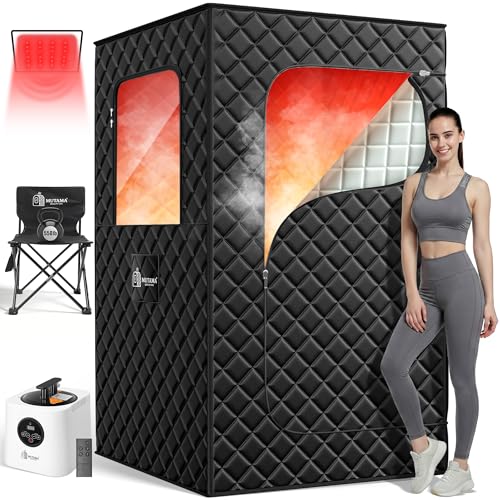
Portable and tent-style saunas
Compact steam tents or foldable infrared units are low in cost and easy to store. They are less durable, heat more slowly and have a smaller seating area. They suit renters or occasional use.
At a Glance: Popular Sauna Families
| Brand / line | Type | Best for | Limits |
|---|---|---|---|
| Clearlight (Sanctuary and Premier lines) | Infrared cabin | Indoor use, low-EMF focus, premium finish | Premium tier; needs space and sometimes a dedicated circuit |
| Sunlighten (Solo and mPulse lines) | Infrared cabin | Full-spectrum infrared in a branded range | Premium tier; features vary by model |
| Dynamic Saunas and similar mid-range brands | Infrared cabin | Mid-range indoor buyers | Panel details differ; read the spec sheet |
| Almost Heaven barrel and cabin saunas | Traditional, outdoor | Backyard installs, classic heat | Needs a base, wiring or stove, and weather care |
| Harvia, Huum, and similar heaters | Heater for DIY or kit saunas | Custom sauna rooms | Requires proper electrical work and clearances |
| Portable infrared or steam tents | Compact | Renters, occasional use | Smaller, lower build quality, heats less evenly |
Model names change often, so use this as a guide to brands and types and confirm specifications on the maker’s page.
How to Choose
Space and capacity
Makers list sauna capacity as one-person, two-person and so on. Measure the room, including ceiling height and door swing, and leave space around the cabin for ventilation as the manual states. A two-person unit often fits a corner of a spare room, while three-person and larger units need more floor space and sometimes a stronger floor.
Power and wiring
Infrared cabins range from plug-in units that use a standard outlet to larger models that need a dedicated circuit. Traditional electric heaters often need 240-volt wiring. A licensed electrician should confirm your electrical panel can handle the load and should do the installation. Do not use extension cords with sauna heaters unless the maker explicitly allows it.
Wood and build quality
Western red cedar, hemlock, spruce and basswood are common woods. Cedar resists moisture and smells pleasant. Hemlock is often used in mid-range infrared cabins. Makers list the wood and thickness, and solid construction usually means better heat retention.
Heating technology
Infrared panels may be carbon, ceramic or a mixed type. Makers list the heater type and claim comfort benefits, but reviewers advise comparing the number and placement of panels, because coverage affects how evenly you warm up. Traditional heaters are rated in kilowatts and matched to room volume.
Safety features
Look for features the maker states, such as an automatic shut-off timer, temperature limits and certification marks from recognised testing bodies. Certification claims should appear in the manual or on the product page. Never use a sauna in ways the manual does not allow.
Controls, lighting and extras
Many cabins add chromotherapy lights, Bluetooth speakers, glass doors and digital controls. These improve comfort but add cost and potential failure points. Simple controls are easy to repair.
Picks by Buyer Type
Indoor apartment or spare room (mid-range)
A one or two-person infrared cabin suits this case. It heats quickly, uses less power than a traditional sauna and needs little ventilation work. Mid-range brands cover this segment, while Clearlight and Sunlighten offer premium finishes.
Wellness-focused premium buyers
Clearlight and Sunlighten sell full-spectrum cabins with low-EMF claims, hardware warranties and branded service networks. They cost more, but they appeal to buyers who want long warranties and a polished design. Read warranty terms closely.
Backyard entertaining
Barrel saunas from Almost Heaven and similar makers fit patios and gardens. They are suited to larger groups and give a classic experience, but need a firm base and weather protection.
DIY builders
Harvia, Huum and other heater makers sell stoves with control panels for custom rooms. These need precise clearances, a vapour barrier and ventilation, so a builder or electrician should be involved.
Budget and occasional use
Portable infrared units and steam tents are the lowest cost way to try heat bathing. Expect smaller interiors and less durable materials.
Pick X If… Decision Table
| Pick this | If you… |
|---|---|
| Clearlight or Sunlighten infrared cabin | want a premium indoor cabin with a long warranty |
| Mid-range infrared cabin | want solid value in a spare room |
| Barrel sauna with electric or wood heater | have a yard and like traditional steam |
| Heater kit from Harvia or Huum | are building a custom room with professional help |
| Portable infrared tent | rent or want to try a sauna with minimal commitment |
Safety, Installation and Care
Saunas involve high heat and electricity. Follow the manual for clearances, ventilation and heater placement. A licensed electrician should install any hardwired heater or dedicated circuit. Keep flammable items such as towels, clothing and cleaning products away from heaters.
Health considerations matter. People with heart conditions, low blood pressure, pregnancy, certain medications or other medical concerns should talk to a doctor before using a sauna. Alcohol and sauna use do not mix. Children and older adults need extra care, and no one should stay in a sauna longer than the maker and their doctor advise. Exit and cool down if you feel dizzy or unwell.
Hydrate before and after a session. Many makers suggest short sessions at first and increasing gradually. Do not leave a sauna running unattended.
Wipe down benches with a mild, wood-safe cleaner as the manual advises. Leave the door open after use so the wood dries. Avoid sealed finishes that the maker does not approve, and treat outdoor saunas for weather exposure as instructed.
Trade-offs by Budget Tier
- Budget: Portable units and entry-level cabins. Lower material quality, shorter warranties and smaller interiors.
- Mid-range: Solid wood cabins with decent panels or heaters and moderate warranties. A strong choice for most households.
- Premium: Clearlight, Sunlighten, large barrel saunas and custom builds. Better materials, service and design, with higher running and installation costs.
Alternatives to a Home Sauna
Gym or spa membership
Many gyms and spas include sauna access. This avoids installation and maintenance but requires travel and shared use.
Steam shower or steam generator
A steam unit in a bathroom suits people who prefer humid heat and already have a shower enclosure. It requires plumbing and electrical work.
Infrared heating blanket or portable sauna
Blanket-style units cost less and store easily. They are less like a full cabin experience, and the maker’s safety instructions matter even more with direct skin contact.
Frequently Asked Questions
Is an infrared or traditional sauna better?
Neither is better for everyone. Infrared cabins use lower air temperatures and heat up quickly, while traditional saunas offer hotter air and steam. Choose by comfort preference, space and power supply.
Do I need an electrician to install a home sauna?
Plug-in infrared models may not need one, but hardwired and larger models do. Even for plug-in models, an electrician can confirm your circuit can handle the load safely.
How long should a sauna session last?
Makers and health sources suggest starting with short sessions and listening to your body. Follow the manual and your doctor’s advice, and stop if you feel unwell.
Can I put a sauna in a basement or garage?
Often yes, if the room is dry, ventilated and meets the clearance rules in the manual. Moisture and uneven floors can be issues, so confirm the requirements before buying.
How much electricity does a sauna use?
Usage depends on the heater rating and session length. Makers list wattage or kilowatt ratings, and infrared cabins usually draw less than traditional electric heaters. Your utility bill will reflect how often you use it.
Are home saunas safe for everyone?
No. People with medical conditions, pregnancy or certain medications should talk with a doctor first. Children should only use a sauna with adult supervision and under maker guidelines.