Key takeaways
- Searching for the top Android phones usually means one of two things: you want the strongest flagship hardware available right now.
Searching for the top Android phones usually means one of two things: you want the strongest flagship hardware available right now, or you want the most phone for the least money without landing on a dead-end model. Those goals pull in opposite directions, and this pool of listings spans both ends, from a flagship ultra and a foldable down to a 32GB entry handset with a 5.0″ screen. The real decision is how much storage, screen quality, and software support you are willing to trade for a lower entry cost.
This guide is for upgraders who are leaving an older Android or iPhone, parents buying a first phone, and prepaid shoppers who want service bundled with the handset. Notes below rely only on what each listing title states in 2026, so storage, battery capacity, display type, and warranty terms are the yardsticks. A duplicate colorway listing of the Galaxy A17 5G was merged into a single entry.
Quick Picks
Our top picks



As an Amazon Associate we earn from qualifying purchases at no extra cost to you.
| Product | Best for | Key spec from the title |
|---|---|---|
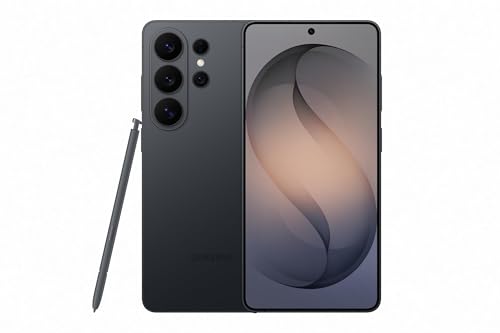
| Samsung Galaxy S26 Ultra | Flagship buyers | 256GB, Privacy Display, Galaxy AI |
| Samsung Galaxy A17 5G | Everyday value | 128GB, large AMOLED, 1 year US warranty |
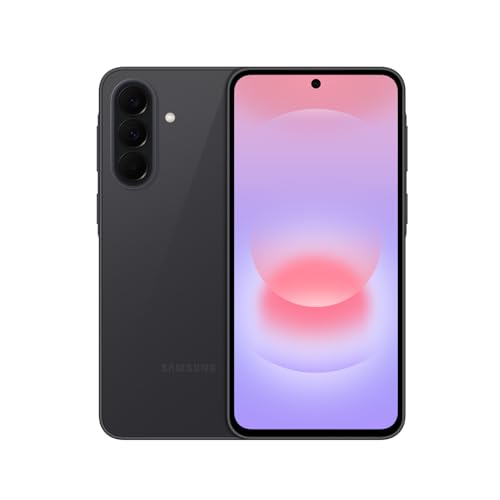
| Samsung Galaxy A37 5G | Mid-range with extras | 5000mAh battery, IP68, triple camera, AMOLED |
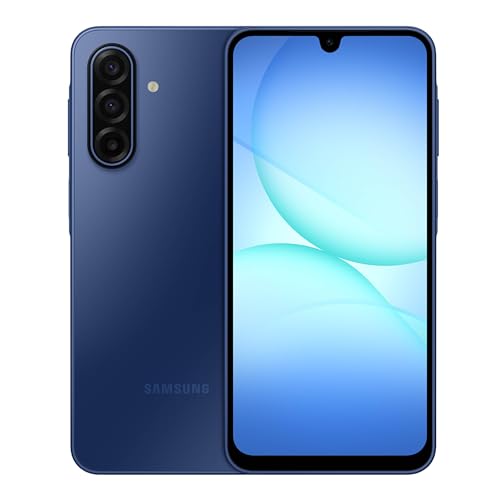
| Unnecto Bolt One | Basic calls and texts | 32GB, Android 14 Go, 2000mAh, 5.0″ display |
| Rogue R67S | Big screen on a tight plan | 6.8-inch HD+, Android 15 Go, 32GB |
| Tracfone Galaxy A16 5G | Prepaid with service included | 128GB, 1500 minutes/text/data for 365 days |
| Samsung Galaxy Z Fold8 | Foldable multitaskers | 512GB, 4800 mAh battery |
How to Choose
Storage and memory
Treat 128GB as the practical floor for a phone you will keep several years, because photos, offline maps, and app updates eat space quickly. A 32GB model leaves little headroom after the system and a handful of apps. Be wary of “extended memory” claims; the Rogue listing pairs 3GB RAM with 3GB of extended memory, which borrows from storage and does not behave like real RAM.
Display type and size
AMOLED panels, named in the Galaxy A17 and A37 titles, give deeper blacks and better outdoor contrast than the HD+ panels common on entry phones. Check the diagonal too: a 5.0″ screen fits one hand and a pocket but crowds text, while a 6.8-inch panel is better for video and reading yet harder to reach across.
Battery, charging, and software support
Look for 5000mAh if you stream or navigate often; the A37 title lists exactly that, while the Unnecto shows 2000mAh, which suggests a short day. For longevity, favor current Android versions: an Android 14 Go build is already behind, whereas Android 15 Go is newer but still a lightweight edition for low-memory hardware. A manufacturer warranty, such as the one-year US terms on the Samsung listings, is worth more than a long feature list.
Carrier fit and where budget models cut corners
Verify network compatibility before checkout. The Rogue lists T-Mobile and AT&T support on 4G LTE, so Verizon users should look elsewhere, and a prepaid bundle ties you to its service plan. Budget handsets typically cut storage, camera quality, and update length first, so do not expect flagship photos from an entry model. Also ignore vague adjectives such as “durable” or “high-res” when they come without a number or a standard; an IP rating, a megapixel count, or a stated update window gives you something concrete to compare, and a missing figure is itself a signal worth noting.
Finally, think about accessories you already own. Fast chargers, cases, and screen protectors rarely carry over between a compact handset, a slab flagship, and a foldable, so factor that small extra spend into the tier you pick, especially if you are moving to a Fold-style device.
A final check before you commit: compare the cost of the handset against how long you realistically keep phones. A mid-range model kept for four years usually costs less per year than a flagship replaced every two, and a cheap phone replaced after a year can cost more than either. Match the tier to your habits, not to the loudest feature in the title.
The 7 Best Options
Samsung Galaxy S26 Ultra
This is the flagship pick for buyers who want the most capable Android in the group and are comfortable paying a premium tier. The title lists an unlocked build with 256GB, a Privacy Display, Galaxy AI features, an AI camera, and Super Fast Charging 3.0, which together read like a full flagship feature set aimed at power users and photographers.
- Strength: 256GB gives plenty of room for photos, video, and apps.
- Strength: the Privacy Display and fast charging listing address real daily annoyances.
- Trade-off: it sits in the premium tier, which is more than most casual users need.
Buyers who trade phones often will also appreciate that flagship hardware tends to hold usefulness longer than entry models. Skip it if you mostly browse, text, and stream, since a mid-range model covers that comfortably.
Samsung Galaxy A17 5G
A sensible everyday phone for people who want 5G, a big AMOLED screen, and a clear warranty without paying flagship money. The title lists 128GB, a high-resolution camera, a durable design, Super Fast Charging, and one year of US manufacturer coverage, with black and blue colorways available.
- Strength: a large AMOLED display makes video and reading pleasant.
- Strength: 128GB and a US warranty put it ahead of many entry models.
- Trade-off: budget-tier hardware means the camera and speed will not match the flagship.
It also makes a practical gift phone for a teenager or a parent, because the listing keeps the interface familiar and the warranty clear. Skip it if you want a premium camera system or a foldable screen.
Samsung Galaxy A37 5G
Aimed at buyers who want a step above the entry tier. The title is explicit: a newer-generation model with 128GB, an AMOLED display, a triple camera, IP68, a slim body, a 5000mAh battery, and a US one-year warranty. That mix covers durability, battery life, and photo flexibility at a mid-range tier.
- Strength: IP68 gives dust and water protection that cheaper phones rarely list.
- Strength: 5000mAh suits heavy streaming and navigation days.
- Trade-off: only 128GB, so heavy video shooters may fill it fast.
Commuters and travelers who lean on maps and music all day are the natural audience here. Skip it if you need flagship zoom or AI features, or more than 128GB of onboard space.
Unnecto Bolt One
This is a bare-bones option for a secondary phone, a child’s first device, or a backup for the glovebox. The title lists 32GB, dual SIM, Android 14 Go, a 2000mAh battery, a 5.0″ display, and a 1.3GHz quad-core chip, all of which point to calls, texts, and light apps.
- Strength: dual SIM lets you keep two numbers on one handset.
- Strength: the compact 5.0″ body is easy to carry and hand off.
- Trade-off: 32GB and 2000mAh limit apps, photos, and battery life.
Think of it as a tool for a narrow job, such as a travel SIM phone or a handset for a young child. Skip it if you plan to stream video, play games, or keep it for years.
Rogue R67S
For shoppers who want a large screen on a very tight plan and who are on T-Mobile or AT&T. The title lists 4G LTE, Android 15 Go, a 6.8-inch HD+ display, 3GB RAM plus 3GB extended memory, and 32GB of storage.
- Strength: the 6.8-inch screen is the biggest in the budget group.
- Strength: Android 15 Go is newer than the software on the Unnecto.
- Trade-off: 32GB and a modest memory setup make it feel slow once apps pile up.
It fits an older relative who wants large text on a big screen and only makes calls, messages, and video chats. Skip it if you use Verizon, need 5G, or want a sharper panel than HD+.
Tracfone Galaxy A16 5G
This bundle suits people who want to buy the phone and the service in one step. The title lists a 128GB Samsung Galaxy A16 5G on a prepaid plan with 1500 minutes, texts, and data for 365 days, plus an activation promotion.
- Strength: a full year of service is included, which simplifies budgeting.
- Strength: 128GB and 5G on a recognizable Galaxy model.
- Trade-off: the handset is tied to the prepaid arrangement, which may limit carrier flexibility.
It is especially tidy for someone who dislikes monthly bills and contract comparisons. Skip it if you already have a plan, travel abroad often, or want a fully unlocked phone.
Samsung Galaxy Z Fold8
The foldable for people who want a tablet-size canvas that fits a pocket. The title lists an unlocked build with 512GB, a new shape, a content-native ratio, a customized processor, and a 4800 mAh battery.
- Strength: 512GB is the most storage in the group.
- Strength: the foldable design supports multitasking and reading.
- Trade-off: it sits in the highest tier, and folding hardware adds a point of wear.
Spreadsheet checkers, readers, and split-screen multitaskers are the people who get the most from the format. Skip it if you prefer a slab phone, rough-use durability, or a modest budget.
Which One Fits Your Situation
You want the strongest phone available
Go with the Samsung Galaxy S26 Ultra for its 256GB, fast charging, and AI camera. If you work from your phone, the Galaxy Z Fold8 offers a larger canvas and 512GB.
You want solid value without flagship cost
Choose the Galaxy A37 5G for IP68, a 5000mAh battery, and a triple camera. The Galaxy A17 5G is the cheaper step down if you can live without those extras.
You are buying for a first-time user or a spare
The Unnecto Bolt One keeps things simple with dual SIM and a compact screen, while the Tracfone Galaxy A16 5G bundles a year of service for easy setup.
You are on a very tight cap and need a big screen
The Rogue R67S gives the largest display in the pool at a budget tier, but confirm your carrier first. If you can stretch slightly, the Galaxy A17 5G adds AMOLED, 128GB, and a warranty.
Common Mistakes
- Buying a 32GB phone for photos and apps, then running out of space within weeks.
- Counting extended memory as real RAM.
- Skipping a carrier compatibility check, especially with LTE-only handsets.
- Choosing a prepaid bundle without noting that service is tied to the handset.
- Paying for foldable or flagship extras you will not use daily.
Related guides
- Wireless Chargers For Iphone And Airpods
- Noise Cancelling Earbuds Under $100
- Mechanical Keyboard For Programming
Frequently Asked Questions
How much storage do I need?
Start at 128GB for a phone you plan to keep for years. Go to 256GB or more if you shoot video often or store music offline.
Is a Go edition of Android any good?
It is a lightweight version for low-memory hardware. It runs basic apps smoothly but lacks the polish and multitasking depth of the standard release.
Does a battery number tell the whole story?
No. Capacity, screen type, and chip efficiency all matter, but 5000mAh generally outlasts 2000mAh by a wide margin on the same tasks.
What does a one-year manufacturer warranty cover?
It generally covers manufacturing defects, not accidental damage. Read the terms on the listing before you rely on it.