Key takeaways
- Size and weight: Both are larger than typical Micro Four Thirds bodies, with robust magnesium-alloy shells. The G9 is slightly heavier in some reviews because of its larger grip and extra controls.
- Screen: Both have a fully articulating touch screen, useful for vlogging and for low or high angles.
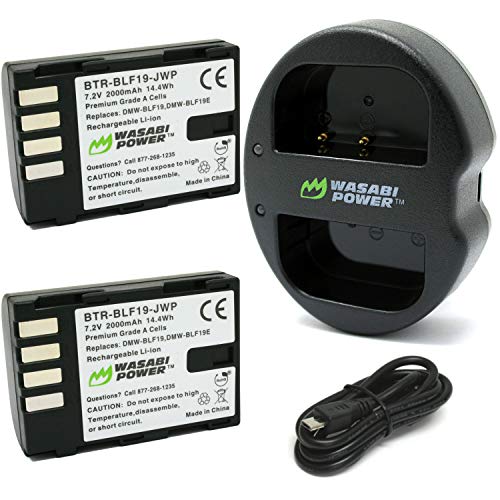
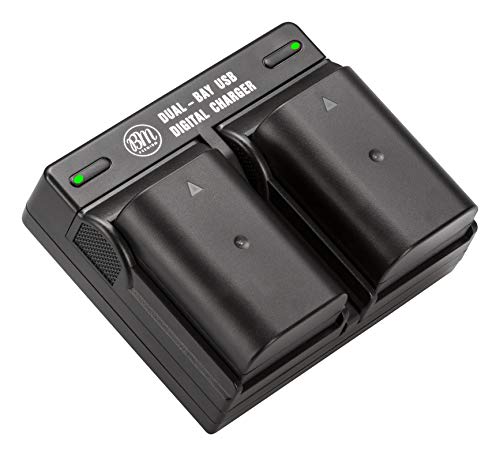
- Battery: Both use the same style of battery per Panasonic. Reviewers suggest carrying spares for video or extended stills sessions.
- Lens mount: Micro Four Thirds, so lenses from Panasonic, Olympus (now OM System) and other makers can be used.
Choose the Panasonic Lumix G9 if stills, wildlife, sports and handheld high-resolution shooting matter most, and choose the GH5 if video is the priority, since it offers more recording options and a fuller set of video connections. Both are Micro Four Thirds cameras with a 20-megapixel sensor, in-body stabilisation and weather-sealed bodies, and both are now a previous generation, with the G9 II and the GH6 and GH7 models carrying the lines forward.
Our top picks


As an Amazon Associate we earn from qualifying purchases at no extra cost to you.
At a Glance
| Feature | Lumix G9 | Lumix GH5 |
|---|---|---|
| Focus | Stills and action | Hybrid, video-first |
| Sensor | About 20-megapixel Four Thirds sensor, per Panasonic | About 20-megapixel Four Thirds sensor, per Panasonic |
| High-resolution mode | Tripod mode that combines shots into a roughly 80-megapixel file, per the maker | No equivalent mode |
| Electronic shutter burst | Up to 60 frames per second with single autofocus, per the maker | Lower burst rates; 6K and 4K Photo modes extract frames from video |
| Viewfinder | OLED with higher magnification, per Panasonic | OLED, slightly smaller magnification |
| Top information panel | Yes | No |
| Card slots | Two SD, both UHS-II | Two SD, one UHS-II |
| Video | 4K up to 60p; no V-Log option as standard | 4K up to 60p, 10-bit 4:2:2 at lower frame rates, internal high-bitrate options, V-Log L as an optional upgrade at launch |
| Video recording limit | Time limits apply on some modes | No fixed recording time limit stated, though heat can stop recording |
| Stabilisation | 5-axis in-body, works with lens stabilisation as Dual I.S. 2 | 5-axis in-body with Dual I.S. 2 |
| Weather sealing | Yes | Yes |
Specifications can differ between firmware versions. The table reflects the makers’ published figures as understood for the original releases, so read Panasonic’s pages for the exact firmware you plan to use.
Stills: Where the G9 Pulls Ahead
The G9 was positioned as the stills flagship of the Lumix G line. Its signature feature is the high-resolution mode, which uses sensor-shift to combine multiple exposures into a larger image. Reviewers note it works best on static subjects with a tripod. The G9 also offers a very fast electronic shutter burst, a top LCD with settings at a glance and a more generous viewfinder, all of which suit photographers who shoot wildlife, birds and sports.
Handling reflects that focus. The G9 has a deeper grip, a dedicated drive-mode dial and a joystick, which many reviewers find helpful for quickly changing settings during action. Autofocus on both cameras uses contrast detection with depth from defocus, not on-sensor phase detection, so continuous tracking of fast subjects can be less reliable than on newer mirrorless designs. Reviewers commonly mention this as the main limitation for both bodies.
Video: Where the GH5 Leads
The GH5 was a landmark video camera for its class. It records 4K up to 60 frames per second and 10-bit 4:2:2 at lower frame rates, per Panasonic, with high-bitrate internal formats and options like anamorphic modes. It has a full-size HDMI port, headphone and microphone jacks, and a fully articulating screen. The G9 shares many of the basics, but the GH5 adds more professional recording choices, so video-centred shooters generally prefer it.
Heat can limit very long recordings on either camera, so read the manual for guidance on operating conditions and use accessories according to the maker’s instructions.
Handling and Build
- Size and weight: Both are larger than typical Micro Four Thirds bodies, with robust magnesium-alloy shells. The G9 is slightly heavier in some reviews because of its larger grip and extra controls.
- Screen: Both have a fully articulating touch screen, useful for vlogging and for low or high angles.
- Battery: Both use the same style of battery per Panasonic. Reviewers suggest carrying spares for video or extended stills sessions.
- Lens mount: Micro Four Thirds, so lenses from Panasonic, Olympus (now OM System) and other makers can be used.
Used-Market Considerations
Because both bodies are earlier models, many buyers find them on the second-hand market. Inspect shutter count information where available, the condition of the grip rubber, port covers and screen hinge, and confirm that the battery holds charge. Buy from sellers who offer returns. Firmware updates from Panasonic can improve features, so install the latest version supported by the maker.
Budget Tier Thinking
Both cameras now sit in the budget to mid-range tier when bought used, which makes them good value for beginners moving to a serious system and for hobbyists. Newer models like the G9 II and GH7 occupy the premium tier, with improved autofocus, but the older bodies remain capable if your subjects are not extremely fast.
Pick X If…
| Pick | If you |
|---|---|
| Lumix G9 | Shoot wildlife, sports or landscapes and want the high-resolution mode and a top information panel |
| Lumix GH5 | Shoot video regularly and want more recording options and connections |
| Lumix G9 II | Want newer autofocus for stills and action and can spend more |
| Lumix GH5 II or GH6/GH7 | Want a newer hybrid with updated video features |
| Either body | Want a weather-sealed Micro Four Thirds camera with in-body stabilisation at a lower used price |
Lenses to Pair
For wildlife on either body, telephoto zooms such as the Lumix 100-400mm and Leica DG 100-400mm models are widely mentioned by reviewers. For video, fast primes and constant aperture zooms are popular, and Panasonic’s Leica DG line offers premium choices. Compact kit zooms keep the camera light for travel.
Alternatives
- Panasonic G9 II: Newer stills-focused body with improved autofocus per the maker.
- Panasonic GH6 or GH7: Newer video-focused bodies with expanded recording formats.
- OM System OM-1 series: A Micro Four Thirds body with strong autofocus for wildlife, per reviewers.
- Other mirrorless systems: APS-C bodies from other brands offer phase-detect autofocus at similar sizes, but require a different lens system.
Frequently Asked Questions
Is the G9 or GH5 better for photography?
The G9 is generally the better stills camera because of its faster electronic burst, high-resolution mode and handling designed for photographers. The GH5 still produces excellent images, but its strengths lie in video.
Is the GH5 better for video than the G9?
Yes, for most professional-style work. It offers more recording formats and better connectivity, according to Panasonic. The G9 can still record good 4K video for casual use.
Do both cameras have in-body stabilisation?
Yes. Both feature 5-axis in-body stabilisation that can work together with compatible lens stabilisation, which Panasonic calls Dual I.S. 2.
Is autofocus a weakness on these cameras?
Reviewers often point to contrast-based autofocus as less dependable for fast, erratic subjects than newer phase-detect systems. It works well for many subjects, so consider newer models if you shoot demanding action.
Can I use the same lenses on both?
Yes. Both use the Micro Four Thirds mount, so the same lenses fit either body.
Are these cameras still worth buying?
For buyers who want a rugged, flexible camera at a lower used price, yes. Be aware that they are earlier models and newer Lumix bodies offer improvements, especially in autofocus.
More from Amazon
Programs that pair well with the guide above. Offers and eligibility are set by Amazon and may change.
Free shipping on eligible items, Prime Video and more. Eligible new members can start with a free trial.
Start a Prime free trialAd-free music streaming. Eligible new subscribers can start with a free trial.
Try Music Unlimited freeA Prime membership for ages 18-24 with a trial period. Eligibility is set by Amazon.
See Prime for Young AdultsAudiobooks and podcasts to listen to on the go. Eligible new members can start with a free trial.
Try Audible freeAs an Amazon Associate we earn from qualifying purchases.