The Panasonic Lumix G9 II suits photographers who want a Micro Four Thirds body with a higher-resolution sensor, strong stabilisation, good video features and a comfortable grip, while the OM System OM-1 Mark II suits those who prioritise speed, compact weather-sealed construction and wildlife-oriented tools such as Pro Capture. Both take Micro Four Thirds lenses, so your decision rests on the body rather than the glass.
Our top picks
 OM SYSTEM Olympus OM-1 Mark II Micro
- Experience exceptional autofocus precision with the 1,053-point Phase…
- 20.4MP STACKED BSI LIVE MOS SENSOR: Capture stunning…
- Powered by the advanced TruePic X image processing…


As an Amazon Associate we earn from qualifying purchases at no extra cost to you.
At a Glance
| Feature | Panasonic Lumix G9 II | OM System OM-1 Mark II |
|---|---|---|
| Best for | All-round stills with strong video, portraits, travel | Wildlife, birds, action and landscapes in rough weather |
| Sensor (maker lists) | About 25 MP, phase-detection autofocus | About 20 MP stacked Live MOS |
| Autofocus | Phase hybrid with subject recognition | Subject detection for birds, animals, vehicles |
| Stabilisation | In-body, combines with lens stabilisation | In-body, very high maker rating with compatible lenses |
| Video | High-resolution 10-bit video options | Capable 4K, less video-centred |
| Special features | High-resolution mode, pre-burst, large grip | Pro Capture, Live ND and GND, handheld high-res |
| Main limit | Larger and heavier body | Lower resolution, fewer pro video features |
Sensor, Resolution and Image Quality
Both are Micro Four Thirds cameras, so basic image quality characteristics such as depth of field and noise behaviour come from the same format. Panasonic lists the G9 II with a roughly 25-megapixel sensor and a phase-detection autofocus system, a significant change from the contrast-based autofocus that defined earlier Lumix G bodies. OM System lists the OM-1 Mark II with a roughly 20-megapixel stacked sensor. The Panasonic therefore has a modest resolution advantage for cropping and large prints, while the OM-1 Mark II has the readout speed advantage that stacked designs provide.
In practice, reviewers describe both as producing clean files at base and moderate ISO values. At higher ISO values noise becomes more visible because of the smaller sensor area compared with APS-C and full frame, so neither body changes the fundamental limits of the format.
Autofocus and Continuous Shooting
The OM-1 Mark II has long been regarded as one of the best Micro Four Thirds bodies for action. OM System lists very fast electronic burst rates, subject detection for several categories, and Pro Capture modes that buffer frames before you press the shutter all the way down. Wildlife reviewers value this because birds take off in a fraction of a second.
The G9 II brought a major autofocus update for Panasonic. The maker lists subject recognition for people, animals and vehicles, and a continuous shooting capability that competes with many stills-focused bodies, along with a pre-burst function. Reviewers generally say it narrows the gap to the OM body considerably, although the OM System camera is still often named as the more specialised choice for fast, unpredictable subjects.
Stabilisation and Low-Light Handheld Shooting
Both cameras combine in-body stabilisation with lens stabilisation where compatible lenses are used. OM System publishes a very high stabilisation figure for the OM-1 Mark II, and Panasonic lists a strong figure for the G9 II when using its dual stabilisation system. Those numbers come from the makers’ own test conditions, so real results vary with focal length and technique. Reviewers do consistently note that Micro Four Thirds stabilisation is an advantage for handheld long exposures and for telephoto work with a lighter setup.
Video Features
The G9 II inherits a lot from Panasonic video heritage. The maker lists high-resolution recording, 10-bit options and professional video tools such as waveform and false colour displays. It is not a dedicated video camera like the GH series, but it covers the needs of most hybrid shooters well. The OM-1 Mark II records quality 4K video and offers helpful features, yet reviewers do not usually recommend it as a primary video camera. If you shoot clips regularly, the G9 II is the safer choice.
Computational Photography
OM System puts a lot of work into in-camera computation. Live ND simulates neutral density filters, Live GND simulates graduated filters, and high-resolution modes combine multiple frames, with the maker listing both a handheld and a tripod option. Panasonic also provides a high-resolution mode on the G9 II, which uses sensor shift for higher-resolution files from static scenes. Both can produce larger files than single exposures, but they work best on stationary subjects.
Size, Grip and Build
The G9 II has a deeper grip and a more traditional DSLR-like feel that some photographers find more comfortable with large lenses. The OM-1 Mark II is smaller and lighter in typical comparisons, and OM System lists a high dust and splash resistance level that appeals to those who work in rain, sea spray or dusty trails. Panasonic also lists dust and splash resistance for the G9 II. If you carry a body for many hours, try both in a shop to judge grip and button reach.
Lenses and System Growth
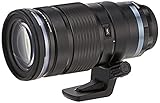
Because both use the Micro Four Thirds mount, you have access to lenses from OM System, Panasonic, Sigma, Laowa and others. Compact telephoto zooms are one of the format’s strengths. A stabilised long zoom gives a very long reach in a small bag, which is why many wildlife photographers stay with the format. Some brand-specific features, such as certain stabilisation combinations and high-level weather-sealing claims, work best with lenses from the same maker, so read the manuals.
Pick X If… Decision Table
| If you mostly… | Pick | Why |
|---|---|---|
| Photograph birds and wildlife | OM-1 Mark II | Stacked sensor, Pro Capture and subject detection |
| Shoot landscapes with little gear | OM-1 Mark II | Live ND and Live GND, high-res modes |
| Want more resolution for cropping | G9 II | Higher megapixel count listed by the maker |
| Mix photos and video | G9 II | Stronger video tools and larger grip |
| Prefer a smaller, lighter kit | OM-1 Mark II | More compact body in typical comparisons |
| Shoot mainly portraits and street | G9 II | Comfortable handling, higher resolution, Panasonic colour rendering |
Alternatives to Consider
- Panasonic Lumix GH7: a stronger choice if video is your first priority, with professional recording formats and audio support.
- OM System OM-5: a lighter, lower-tier body with weather sealing and in-body stabilisation for those who do not need the speed of the OM-1 line.
- Full-frame mirrorless bodies from other makers: consider these if low-light performance and shallow depth of field outweigh the size benefits of Micro Four Thirds.
Frequently Asked Questions
Does the G9 II autofocus match the OM-1 Mark II?
Reviewers say the G9 II is a large step up from earlier Panasonic bodies and is competitive for many subjects. The OM-1 Mark II is still frequently preferred for fast wildlife because of its stacked sensor and Pro Capture. For people, pets and general photography the difference is smaller.
Which camera has better image quality?
They are close because both use Micro Four Thirds sensors. The G9 II offers more megapixels, which helps with cropping, while the OM-1 Mark II has a faster sensor. At high ISO values both show more noise than larger-sensor cameras.
Which is better for travel?
The OM-1 Mark II is generally the smaller and lighter of the two, with a high weather-resistance rating from the maker. The G9 II is still compact compared with full-frame bodies. Pick based on whether you value the smaller body or the larger grip.
Can I use the same lenses on both?
Yes, since both use Micro Four Thirds. Some stabilisation and sealing benefits are strongest when body and lens come from the same brand. Check each maker’s compatibility list.
Is the G9 II good for video?
Yes, reviewers regard it as a strong hybrid camera, with high-resolution recording and professional display aids. If video is your main work, the Panasonic GH series offers more dedicated tools.
What accessories matter most with either camera?
Fast memory cards, spare batteries and a good stabilised lens matter most. Check the manual for the card types and batteries each camera supports, since the two models use different systems.
More from Amazon
Programs that pair well with the guide above. Offers and eligibility are set by Amazon and may change.
Free shipping on eligible items, Prime Video and more. Eligible new members can start with a free trial.
Start a Prime free trialAd-free music streaming. Eligible new subscribers can start with a free trial.
Try Music Unlimited freeA Prime membership for ages 18-24 with a trial period. Eligibility is set by Amazon.
See Prime for Young AdultsAudiobooks and podcasts to listen to on the go. Eligible new members can start with a free trial.
Try Audible freeAs an Amazon Associate we earn from qualifying purchases.