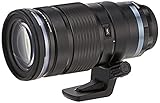
The Panasonic Lumix S 50mm F1.8 suits L-mount shooters who want a compact, light, affordable-tier prime that balances well on a mirrorless body and handles video well, while the Sigma 50mm F1.4 DG DN Art suits those who want a faster aperture, more background blur, and a premium-tier optical design and are happy to carry a larger, heavier lens. Both are full-frame mirrorless primes available for the L-mount, so the choice is about size, light-gathering and budget tier rather than compatibility.
At a Glance
| Feature | Panasonic Lumix S 50mm F1.8 | Sigma 50mm F1.4 DG DN Art |
|---|---|---|
| Best for | Everyday carry, video, travel, hybrid shooting | Portraits, low light, shallow depth of field |
| Maximum aperture | f/1.8 | f/1.4 |
| Mount | L-mount | L-mount (also offered in other mounts) |
| Approx. weight (maker lists) | Roughly 300 g class | Roughly 670 g class |
| Filter size (maker lists) | 67 mm | 72 mm |
| Budget tier | Budget to mid-range | Mid-range to premium |
| Main limit | Less background blur and light than f/1.4 | Larger and heavier on the body |
Aperture and Low-Light Performance
The difference between f/1.8 and f/1.4 is about two-thirds of a stop of light. In practice that allows a shutter speed or ISO setting roughly one and a half times faster or lower with the Sigma. For handheld shooting in dim interiors or evening streets, that margin can matter, although both cameras that mount these lenses typically include in-body stabilisation, which reduces the importance of the extra light for static subjects. It matters more for moving subjects such as children, pets or dance, where a fast shutter speed is needed.
Background blur follows the aperture as well. At f/1.4, the Sigma produces a shallower depth of field at the same distance, helping subject separation in portraits. The Panasonic at f/1.8 is still capable of pleasing blur, and many photographers will find the difference small in normal use, but it is visible when shooting close subjects against distant backgrounds.
Size and Weight
This is the most obvious difference. Panasonic designed the Lumix S 50mm F1.8 to be compact and light for the full-frame L-mount system, with a 67 mm filter thread that matches several other lenses in its S-series line-up. That commonality is useful, because one set of filters can serve several lenses. The Sigma lists a considerably larger and heavier body, with a 72 mm filter thread, which reflects its faster aperture and larger glass elements. Carrying the Sigma for a full day on a small body can feel front-heavy compared with the Panasonic, while on a larger body it may feel balanced.
Optical Quality
Sigma designs its Art line for high resolution and careful optical correction, and reviewers frequently describe the 50mm F1.4 DG DN Art as sharp across the frame, with good control of distortion and chromatic aberration for a fast prime. Reviewers covering the Panasonic describe it as sharp, well-corrected and visually consistent with the other S-series primes, which makes it appealing for video, where matching colour and rendering between lenses matters. At f/1.8 on the Panasonic and at f/1.4 on the Sigma, centre sharpness is typically good, with edges improving when stopped down. Exact results vary by body and by sample, and the makers’ own charts are not directly comparable.
Autofocus and Video
Both lenses use autofocus motors suited to mirrorless cameras. The Panasonic is designed to fit the maker’s system for stills and video, and many videographers appreciate its smaller size on gimbals, where weight matters. Features such as reduced focus breathing can matter for video, and the maker’s own specification pages are the best place to see what is claimed. The Sigma also has an autofocus system aimed at mirrorless bodies and is popular among photographers, with the added benefit of an aperture ring and a programmable switch on some versions. Check the manufacturer’s current notes on compatibility with your camera, since feature support can vary by body and firmware.
Build and Weather Resistance
Panasonic describes the S 50mm F1.8 with dust and splash resistance consistent with its S-series line, according to the maker’s listing. Sigma also lists dust and splash-proof construction on its Art lenses for mirrorless mounts. Neither should be treated as fully waterproof, and the manuals provide advice on usage in wet conditions. A lens hood is included or recommended for both, and a hood is worth using to protect the front element and reduce flare.
Compatibility and Mounts
The Panasonic lens is made for the L-mount, which is shared by Panasonic, Leica and Sigma cameras in the L-Mount Alliance. The Sigma lens is offered in L-mount and in other mirrorless mounts, which is useful if you shoot with more than one system. If you buy the Sigma, confirm that you are choosing the DG DN version for mirrorless and not an older DSLR design. Filter sizes differ between the two, so you will need different filters or step-up rings if you want to share them across lenses.
Pick X If… Decision Table
| If you… | Pick | Why |
|---|---|---|
| Want the lightest everyday prime | Lumix S 50mm F1.8 | Much smaller and lighter |
| Shoot portraits with strong background blur | Sigma 50mm F1.4 Art | Wider aperture |
| Use a gimbal or small video rig | Lumix S 50mm F1.8 | Lower weight, shared filter size with S series |
| Shoot often in dim light | Sigma 50mm F1.4 Art | Around two-thirds of a stop more light |
| Are on a tighter budget | Lumix S 50mm F1.8 | Lower budget tier in typical comparisons |
| Own cameras in more than one mount | Sigma 50mm F1.4 Art | Offered in several mirrorless mounts |
Alternatives to Consider
- Sigma 50mm F2 DG DN Contemporary: a smaller, lighter Sigma option for those who like the brand but want a compact kit.
- Panasonic Lumix S 85mm F1.8: a companion in the same compact family for portraits at a longer focal length.
- A 35mm f/1.8 or f/1.4 prime: a wider view that suits street, travel and documentary photography more than a normal 50mm field of view.
Frequently Asked Questions
Is f/1.4 worth it over f/1.8?
It depends on how you shoot. The wider aperture gives more light and a shallower depth of field, which helps in dim scenes and for portrait separation. If you mostly shoot in daylight or stop down for sharpness, the difference is small and the lighter lens may be the better daily companion.
Which lens is better for video?
Many videographers prefer the Panasonic because it is lighter and consistent with the rest of the S-series in size and rendering. The Sigma can also work well, but its extra weight is noticeable on gimbals and handheld rigs. Check the makers’ notes on focus breathing and autofocus behaviour for your camera.
Can I use the Sigma on a Panasonic camera?
Yes, the L-mount version works with L-mount cameras from Panasonic, Leica and Sigma. Features such as in-body stabilisation and autofocus are generally supported, though firmware updates can affect specific functions, so read the makers’ compatibility notes.
Do the lenses share filters?
No. The Panasonic uses a 67 mm filter thread and the Sigma uses a 72 mm thread, according to the makers’ listings. Step-up rings allow one set of larger filters to fit a smaller lens, so you can buy for the larger size and adapt.
Which is sharper?
Both are regarded as sharp primes. The Sigma Art line is designed around high resolution at wide apertures, while the Panasonic is sharp and consistent with the S-series look. Individual sample variation and camera body affect results more than most spec sheets suggest.
Is a 50mm lens a good first prime?
Yes, a 50mm lens is a versatile choice for portraits, street and everyday photography on full-frame cameras. It gives a natural field of view and a wide aperture, which helps beginners learn about depth of field and light.
More from Amazon
Programs that pair well with the guide above. Offers and eligibility are set by Amazon and may change.
Free shipping on eligible items, Prime Video and more. Eligible new members can start with a free trial.
Start a Prime free trialAd-free music streaming. Eligible new subscribers can start with a free trial.
Try Music Unlimited freeA Prime membership for ages 18-24 with a trial period. Eligibility is set by Amazon.
See Prime for Young AdultsAudiobooks and podcasts to listen to on the go. Eligible new members can start with a free trial.
Try Audible freeAs an Amazon Associate we earn from qualifying purchases.