Key takeaways
- Budget: Portable blankets, tents and small corner cabins. Easy to place, though heat output and retention are limited.
- Mid-range: Two- to three-person wooden cabins from Dynamic and Golden Designs-type makers.
- Premium: Clearlight and Sunlighten cabins with fuller warranties, documented emissions and higher build quality.
For most households, a low-EMF, full-spectrum or near-infrared cabin from an established maker such as Clearlight or Sunlighten is the safest broad choice, while a smaller portable or blanket-style unit from brands such as HigherDOSE suits renters and anyone without space or a suitable electrical circuit. An infrared sauna warms the body with radiant heaters instead of heating the air to the high temperatures of a traditional sauna. That is why the cabin air is usually cooler, and why many people find the sessions easier to tolerate. Wellness claims vary, so treat the benefits as modest and personal rather than medical.
Our top picks



As an Amazon Associate we earn from qualifying purchases at no extra cost to you.
How infrared saunas differ
Infrared cabins use panels that emit radiant heat in one or more bands: near, mid or far infrared, sometimes marketed together as full-spectrum. Makers differ on how they describe each band, and independent evidence for band-specific effects is limited. What you can compare reliably is cabin size, heater coverage, wood quality, electrical needs, warranty and the maker’s published safety and emissions information.
Because saunas are electrical heating appliances, installation matters. Most larger cabins need a dedicated circuit or a standard household outlet of a specified rating. Always follow the instruction manual and consult a licensed electrician if there is any doubt.
At a glance
| Option | Best for | Key points | Limits |
|---|---|---|---|
| Clearlight cabins | Households wanting a well-known, warranty-backed full cabin | The maker offers full-spectrum models and describes low-EMF and low-ELF designs | Premium tier; needs space and suitable power |
| Sunlighten cabins | Buyers who want choice of spectrum configurations | The maker describes near, mid and far infrared options with different cabin sizes | Premium tier; installation by a professional may be advised |
| Dynamic or Golden Designs cabins | Mid-range buyers wanting a full cabin | Wood cabins in one- to three-person sizes, often with ceramic or carbon heaters, per the makers | Quality and warranty terms vary; read product pages carefully |
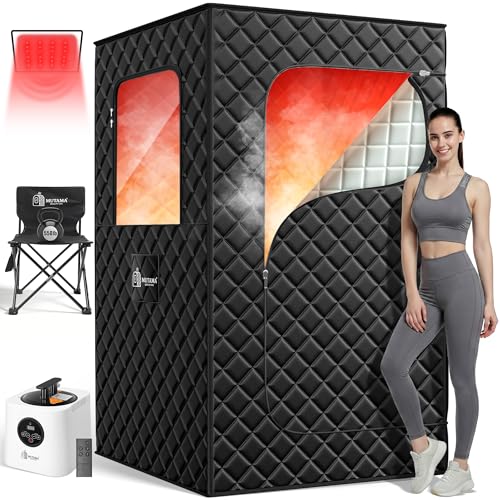
| HigherDOSE and similar blanket or portable units | Renters, small apartments, travelers | Foldable or tent-style units that plug into a standard outlet, according to the makers | Smaller heated area and less heat retention than a full cabin |
| Corner or two-person budget cabins | Cost-conscious buyers | Compact wooden cabins with basic controls | Fewer features; look closely at emissions and certification information |
What to look for
Size and fit
Cabins are sold as one-, two- or three-person models, but the stated capacity often assumes close seating. If you want to stretch out or sit with a partner, choose one size up. Measure the room, door swing and ceiling height. Allow clearance around the cabin for ventilation, as the manual states.
Heaters and coverage
Ceramic, carbon and mixed heater panels all exist. More coverage across back, legs and sides generally means more even warming. Makers publish heater counts and wattages; compare them against the circuit the cabin requires.
EMF and safety information
Makers of premium cabins publish low-EMF claims, often with third-party measurements. Treat such claims as maker statements unless an independent laboratory report is provided. Ask for certification documents showing recognized electrical-safety listings for your region, and avoid cabins that offer no such information.
Materials and ventilation
Cabins are typically built from cedar, hemlock, basswood or spruce. Look for low-odor, low-VOC finishes, adequate ventilation and glass doors that seal reasonably well. New cabins may have a faint smell for the first sessions; ventilate the room.
Controls and extras
Digital controllers, timers, chromotherapy lighting and audio are common extras. Auto shut-off timers are worth having, but only count on them if the maker’s documentation states they are included.
Electrical and installation notes
Check the cabin’s required voltage and amperage against your home. A 120 V plug-in cabin should not share a circuit with other high-draw appliances; a 240 V model requires a qualified electrician. Extension cords and power strips are generally not recommended for heating appliances. Place the cabin on a level, non-combustible floor if the maker specifies, and keep towels, clothing and flammable items away from heaters.
Safety and health
Infrared sessions are heat exposure. Stay hydrated, start with short sessions, and leave if you feel dizzy, nauseated or unwell. People who are pregnant, have heart or blood-pressure conditions, take medication affecting heat tolerance, have implants or have a history of heat-related illness should speak with a doctor before using a sauna. Never use alcohol before a session. Children should only use a sauna under adult supervision and with medical guidance. Nothing about sauna use treats or cures any condition.
Budget tiers
- Budget: Portable blankets, tents and small corner cabins. Easy to place, though heat output and retention are limited.
- Mid-range: Two- to three-person wooden cabins from Dynamic and Golden Designs-type makers.
- Premium: Clearlight and Sunlighten cabins with fuller warranties, documented emissions and higher build quality.
Pick X if …
| If you … | Pick | Why |
|---|---|---|
| Want a long-term, warranty-backed home cabin | Clearlight or Sunlighten | Established makers with published emissions and warranty details |
| Rent or have limited space | HigherDOSE-type portable unit | Can be stored away and plugs into a standard outlet |
| Need a mid-range full cabin for two | Dynamic or Golden Designs cabin | Cabin experience at a lower tier |
| Want to try before investing | Budget blanket or small corner unit | Lower commitment |
| Have no suitable outlet or circuit | Consult an electrician first | Installation requirements may decide the model |
Care and upkeep
Wipe benches with a damp cloth and mild cleaner after use, and let the cabin dry with the door open. Avoid harsh chemicals on wood and do not spray water on heaters. Inspect cords and the controller periodically, and stop using the unit if you notice damage, burning smells or unusual heating.
Alternatives
- Traditional electric or wood-fired sauna: Heats the air to high temperatures and is a different experience.
- Gym or spa membership: Lets you try sessions before deciding to buy.
- Warm baths and heating pads: Simple relaxation options that need no installation.
Understanding the claims you will see
Product pages for infrared saunas use many technical terms. “Full spectrum” generally means the cabin combines near, mid and far infrared heaters. “Low EMF” means the maker designed the cabin to produce lower electromagnetic fields than a standard heater, and some publish measurements. “Ceramic” and “carbon” describe the heater material. None of these terms guarantees a health outcome. When a seller promises detox, weight loss or cure of disease, treat it as marketing; health authorities do not support such claims for saunas. Look instead for concrete details: cabin dimensions, heater wattage, wood species, controller features, certification marks and warranty length.
Cost of ownership
Besides the purchase, think about delivery, assembly, electricity and space. Larger cabins arrive in panels and may take two people several hours to assemble. Electricity use depends on wattage and session length, and makers list the rating on the product page. A cabin placed in a basement or spare room needs a stable, level floor and some ventilation. Portable units skip most of this, but they may need a chair, towel and a quiet room.
Using a sauna sensibly
Begin with a plan: have water ready, wear a towel or light clothing, and cool down afterward. Remove metal jewelry and glasses that can heat up. Do not fall asleep inside. Rise slowly from the bench. If you have a skin condition, a fever, or are unwell, postpone the session. Pets should not be left in or near a sauna. These are general cautions, so follow the maker’s manual and your doctor’s advice.
Warranty
Established makers tend to offer longer warranties on the cabin and on the heaters separately, and some have local service networks. Read what is covered, how claims work and whether commercial use is excluded. A short or vague warranty is a reason for caution at a premium tier, while budget units may reasonably carry shorter coverage. Keep your receipt and the model serial number for any claim.
Frequently Asked Questions
Is an infrared sauna safe for everyone?
No. Heat exposure can be risky for people with heart or blood-pressure problems, pregnancy, certain medications or heat intolerance. Speak with your doctor before regular use.
Do I need an electrician?
For some models, yes. Smaller cabins may plug into a standard outlet, while larger ones can need a dedicated circuit. Follow the manual and consult a licensed electrician if you are unsure.
How long should a session last?
Makers typically suggest short sessions for beginners, building gradually, and your doctor can give personalized advice. Stop at once if you feel unwell. Drink water before and after.
Is low EMF important?
Many makers advertise low-EMF designs as a selling point. Ask for independent measurement data if the claim matters to you. If you have a medical implant, consult your doctor before use.
Can I put a sauna in a garage or outdoors?
Only if the maker states the cabin is rated for that environment. Indoor cabins can be damaged by moisture and temperature swings, and electrical connections need protection from the weather.
Is a portable sauna as good as a cabin?
It is more convenient and cheaper, but it heats less area and retains heat less well. For occasional use and small spaces it can be sufficient; for regular long sessions a cabin is more comfortable.