The OM System OM-1 Mark II suits photographers who shoot wildlife, birds, sport and outdoor work and want a weather-sealed, stacked-sensor body that is small enough to carry all day, while the Panasonic Lumix GH7 suits hybrid shooters and filmmakers who care most about internal recording formats, audio options and long clips. Both use the Micro Four Thirds lens mount, so the lens ecosystem is shared; the choice comes down to what you do with the body rather than which lenses you can use.
At a Glance
| Feature | OM System OM-1 Mark II | Panasonic Lumix GH7 |
|---|---|---|
| Best for | Wildlife, birds, action, travel and landscape stills | Hybrid video-first work, documentary, commercial video |
| Sensor (maker lists) | About 20 MP stacked Live MOS | About 25 MP partially stacked sensor |
| Lens mount | Micro Four Thirds | Micro Four Thirds |
| Stills speed focus | Very fast electronic burst with Pro Capture modes | Fast burst, but video is the priority |
| Video focus | Capable 4K, not the main selling point | High-resolution internal RAW and professional codecs |
| Weather resistance | Maker lists a high dust and splash rating | Maker lists dust and splash resistance |
| Computational tricks | Live ND, Live GND, handheld and tripod high-res modes | Fewer computational stills features |
| Main limit | Video options are narrower | Stills tools are less specialised than the OM |
Sensor and Image Quality
Both cameras use a Micro Four Thirds sensor, so the physical sensor area is the same class and the depth-of-field and low-light behaviour follow the same rules as other cameras of this format. OM System lists the OM-1 Mark II with a stacked back-illuminated Live MOS sensor of roughly 20 megapixels. A stacked design reads out data quickly, which is what enables the fast electronic shutter and the high continuous shooting rates the maker advertises. Panasonic lists the GH7 with a roughly 25-megapixel sensor that it describes as partially stacked, paired with a phase-detection autofocus system. Reviewers generally describe both as strong performers within the Micro Four Thirds format, with the GH7 offering a little more resolution and the OM-1 Mark II offering faster readout.
If you routinely crop heavily, for example on distant birds, the extra pixel count on the GH7 can help, but the OM System body counters with high-resolution shooting modes that combine multiple exposures into a much larger file. The maker lists a handheld mode and a tripod mode, each producing files of much higher resolution than a single frame. These modes work best with static subjects and are not a replacement for a faster sensor when the subject moves.
Autofocus and Burst Shooting
The OM-1 Mark II is aimed squarely at action. OM System markets subject detection for birds, animals, vehicles and other categories, and lists very high electronic burst speeds, including a Pro Capture function that records frames from just before you fully press the shutter. Reviewers who cover wildlife frequently single out Pro Capture as a practical tool for flying birds and insects, because it reduces the effect of human reaction time.
The GH7 also offers subject recognition and phase-detection autofocus, a notable step forward compared with earlier Panasonic bodies that relied on contrast-based methods. Outlets covering the camera describe the autofocus as a clear improvement for video, with more reliable tracking of people. For stills of fast sports and birds in flight, however, most commentary still favours the OM System body, which is built around that use.
Stabilisation
Both cameras have in-body stabilisation that can combine with stabilised lenses. OM System lists a very high rating for the OM-1 Mark II when paired with compatible lenses, and this is one reason handheld long-exposure and handheld high-resolution modes are practical. Panasonic lists strong stabilisation for the GH7 as well, plus electronic stabilisation options for video. For handheld video walking shots, many reviewers consider Panasonic cameras among the most dependable in the class, though results always depend on lens, focal length and movement.
Video Capabilities
This is where the two cameras separate most clearly. The Panasonic GH7 is a video-oriented body. The maker lists internal recording in professional formats, including a RAW format at high resolution, high frame-rate options, and support for external audio gear through optional accessories, including 32-bit float audio capture with a compatible adapter. It accepts a fast card type alongside a standard card slot, and has a full-size HDMI port, which matter for long professional shoots where reliable connectivity is important.
The OM-1 Mark II records 4K video with standard codecs and includes useful features for stills shooters who occasionally record clips. If video is a secondary activity, it is perfectly adequate. If you need professional codecs, extended recording or an audio workflow, the GH7 is the more obvious fit.
Computational Features and Creative Tools
OM System has long used its processing power for in-camera effects. The OM-1 Mark II offers Live ND, which simulates a neutral density filter by combining exposures, and Live GND, which simulates a graduated filter, both useful for landscape and waterfall work when you do not want to carry filters. Panasonic offers its own creative modes, but the OM System lineup of computational tools is wider and more central to its identity.
Handling, Size and Weather Resistance
Both are compact for professional cameras. The OM-1 Mark II is a roughly 600 gram class body with the maker listing a high dust and splash resistance rating, which is why it is popular for field work in poor weather. The GH7 is a little larger and heavier in typical reviewer comparisons, with a deeper grip and a fully articulating screen that is practical for video and vlogging. Check both in a shop if possible, since hand size and button layout are personal.
Which Lens Strategy Works?
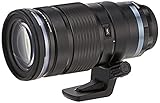
Because both cameras take Micro Four Thirds lenses, the practical limits are the same: a lot of choice, compact telephoto lenses and a 2x focal-length multiplier. A long lens such as a 100-400 class zoom gives a very long field of view in a small package, which is a real advantage over larger sensor formats for wildlife. Some lens-body features, such as combined stabilisation, work best when lens and body come from the same brand, so check each maker’s compatibility notes before buying.
Pick X If… Decision Table
| If you mostly… | Pick | Why |
|---|---|---|
| Photograph birds, wildlife or sport | OM-1 Mark II | Stacked sensor, Pro Capture and subject detection are central to the design |
| Shoot landscape without filters | OM-1 Mark II | Live ND, Live GND and high-resolution modes |
| Hike or travel in rough weather | OM-1 Mark II | Smaller, with a high maker-listed weather resistance |
| Make professional video or documentaries | GH7 | Internal RAW, pro codecs and audio options |
| Need long recording and flexible ports | GH7 | Fast card slot, full-size HDMI, video-first controls |
| Split time evenly between stills and clips | GH7 or G9 II | Higher resolution sensor and strong video; see alternatives |
Alternatives to Consider
- Panasonic Lumix G9 II: a stills-leaning Panasonic body with a roughly 25-megapixel sensor, phase-detection autofocus and strong stabilisation. Good if you want Panasonic handling with a photography focus.
- OM System OM-5 or a similar mid-range body: a lighter, more affordable route to OM System lenses and weather-sealing, with fewer speed features than the OM-1 line.
- A larger-sensor mirrorless body: if low-light performance and shallow depth of field matter more than size, a full-frame camera from other makers is worth comparing, at the cost of bigger lenses.
Frequently Asked Questions
Can I use the same lenses on both cameras?
Yes. Both use the Micro Four Thirds mount, so lenses from OM System, Panasonic and other makers fit both bodies. Some features, such as combined body and lens stabilisation or certain weather-sealing claims, work best with lenses from the matching brand, so read each maker’s notes.
Which camera is better for bird photography?
Reviewers who cover wildlife generally point to the OM-1 Mark II, because of its stacked sensor, high-speed electronic shutter, subject detection and Pro Capture. The GH7 can take good bird photos, but it is designed around video first.
Which camera is better for video?
The GH7 is the stronger video tool according to most coverage, thanks to its internal professional formats, audio options and connectivity. The OM-1 Mark II records capable 4K clips but is not built around a professional video workflow.
Is Micro Four Thirds good enough in low light?
It is capable, but physics limits it compared with larger sensors, so noise is generally more visible at very high ISO settings. Fast lenses and stabilisation offset some of that for static subjects. If you shoot dim, fast-moving scenes often, consider a larger format.
Do these cameras overheat during long video recording?
Thermal performance depends on resolution, frame rate and ambient temperature, and each maker publishes its own recording limits in the manual. Check the manufacturer’s stated limits for the exact mode you plan to use, particularly for long interviews or events.
Is the GH7 or OM-1 Mark II easier for beginners?
Both have many options, so neither is a simple entry camera. Beginners who mainly want wildlife stills may find the OM menus and automatic subject detection friendly, while beginners who want to learn video can grow into the GH7 features over time.
More from Amazon
Programs that pair well with the guide above. Offers and eligibility are set by Amazon and may change.
Free shipping on eligible items, Prime Video and more. Eligible new members can start with a free trial.
Start a Prime free trialAd-free music streaming. Eligible new subscribers can start with a free trial.
Try Music Unlimited freeA Prime membership for ages 18-24 with a trial period. Eligibility is set by Amazon.
See Prime for Young AdultsAudiobooks and podcasts to listen to on the go. Eligible new members can start with a free trial.
Try Audible freeAs an Amazon Associate we earn from qualifying purchases.