Choose the Panasonic Lumix GH7 if you want the newest Micro Four Thirds video camera with phase-detection autofocus, internal ProRes RAW and support for 32-bit float audio, and choose the GH6 if you mainly need a capable, proven video body and can find it at a lower mid-range or used cost. Both share the Micro Four Thirds mount and a 25-megapixel class sensor, so the key difference is autofocus and the recording toolset.
Sourcing note: figures below reflect Panasonic’s published specifications and outlet reports. The GH6 is the previous generation and was launched in 2022, and the GH7 followed in 2024. Confirm firmware-dependent features with the maker before buying.
Our top picks



As an Amazon Associate we earn from qualifying purchases at no extra cost to you.
At a Glance
| Feature | Lumix GH7 | Lumix GH6 |
|---|---|---|
| Mount | Micro Four Thirds | Micro Four Thirds |
| Sensor | About 25 MP, newer design | About 25 MP |
| Autofocus | Phase-hybrid with subject recognition | Contrast-based (Depth From Defocus) |
| Raw video | Internal Apple ProRes RAW options | ProRes 422 family; raw via external recorder |
| Audio | Supports 32-bit float recording with an optional XLR adapter | Standard audio, optional XLR adapter |
| Stabilization | In-body, with dual stabilization using compatible lenses | In-body, up to about 7.5 stops stated by the maker |
| Cards | CFexpress Type B plus SD | CFexpress Type B plus SD |
| Cooling | Built-in fan | Built-in fan |
| Best for | Working video creators, hybrid shooters | Video shooters on a budget, used market |
Autofocus: The Main Upgrade
The GH6 used Panasonic’s contrast-based Depth From Defocus autofocus, which reviewers criticized for hunting, especially with moving subjects. The GH7 introduced phase-hybrid autofocus with recognition for people, animals and vehicles, which outlets describe as a significant improvement and the main reason to choose it. If you film events, run-and-gun content, interviews with movement or anything with unpredictable subjects, this upgrade is the most practical difference between the two bodies. If you work with manual focus, cine lenses or controlled setups, the GH6 autofocus matters less.
Recording Formats and Raw
Both cameras record high-resolution video, with 5.7K recording, high frame rate 4K and high-bitrate ProRes options. The GH7 adds internal Apple ProRes RAW recording in the specifications Panasonic lists, which simplifies workflows for color grading and visual effects. The GH6 can output raw to an external recorder but does not match the internal raw options. Both support CFexpress Type B cards for the highest bitrates, and both have SD slots for lighter modes. Always check Panasonic’s stated recording limits and card requirements for the modes you plan to use, since high-bitrate recording needs fast cards.
Audio
The GH7 supports 32-bit float audio when paired with Panasonic’s optional XLR adapter, which makes levels far more forgiving when recording dialogue or events. The GH6 also supports an XLR adapter but does not offer the same float recording. If you record your own sound and cannot monitor every take, this is a practical feature for the GH7.
Stabilization and Body
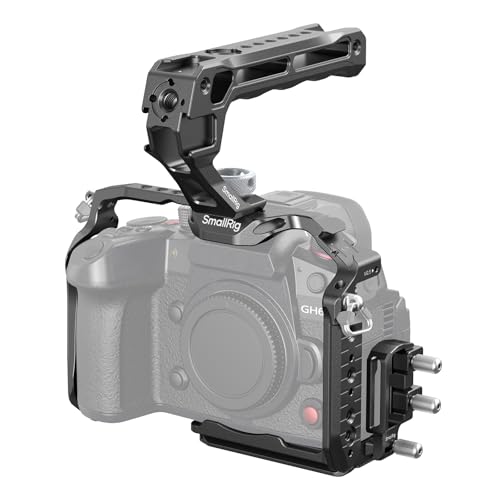
Both cameras have in-body stabilization and a robust, weather-sealed body with a fan to extend recording time. Panasonic’s stated stabilization performance is strong on both, and the GH7 supports combined stabilization with compatible lenses. The body shapes and button layouts are very similar, so moving from one to the other is easy. Accessory compatibility such as cages, batteries and the XLR adapter is generally shared, though check specific accessories for the model.
Photography
As stills cameras, both use a roughly 25-megapixel Micro Four Thirds sensor and are competent but not class-leading for photography. The GH7 benefits from better autofocus for stills as well. If stills are your main purpose, consider other Micro Four Thirds bodies or a full-frame option.
Pick X If
| If you… | Pick |
|---|---|
| Need reliable autofocus for moving subjects | GH7 |
| Want internal ProRes RAW | GH7 |
| Record your own audio and want 32-bit float | GH7 |
| Mostly use manual focus and controlled shoots | GH6 |
| Want to save money or buy used | GH6 |
| Already own GH6 accessories and are happy | GH6 (upgrade later) |
Value and Upgrading
The GH7 sits in the mid-range to upper mid-range tier, while GH6 units are usually cheaper, especially second-hand. If you already own a GH6, the autofocus upgrade is the main reason to consider the move, and for many users it is justified. If you are buying your first GH body, the cost gap decides it: the GH6 is a very capable video camera, but the GH7 is the more future-proof purchase.
Alternatives to Consider
- Lumix GH5 II: an older, lower-cost option with proven video features for lighter use.
- Lumix S5 II or S5 IIX: full-frame L-mount hybrids with modern autofocus, good if you prefer a larger sensor.
- OM System OM-1 Mark II or Blackmagic cinema cameras: alternatives if you prefer stills speed or a dedicated cinema workflow.
Verdict
The GH7 is the better camera, with improved autofocus, internal raw and better audio options, and it is the pick for working video creators. The GH6 remains a strong choice for filmmakers who use manual focus, who want a lower cost, or who can find a clean used body. Because both share a mount and many accessories, upgrading later is straightforward.
Frequently Asked Questions
Is the GH7 sensor the same as the GH6?
Both are roughly 25 megapixels, but the GH7 uses a newer sensor design that enables phase-detection autofocus and other features. Image quality is broadly similar in everyday use.
Does the GH6 have phase-detection autofocus?
No. The GH6 uses contrast-based Depth From Defocus autofocus, while the GH7 uses phase-hybrid autofocus. This is the main practical difference.
Can I use my GH6 lenses and batteries on the GH7?
Both use the Micro Four Thirds mount, so lenses fit. Batteries and many accessories are shared, but check the specific accessory for model compatibility.
Is the GH7 worth upgrading from the GH6?
If you struggle with autofocus or want internal ProRes RAW and 32-bit float audio, yes. If you shoot with manual focus and are satisfied with your results, the upgrade is less urgent.
Do these cameras need special memory cards?
For the highest bitrate modes you need CFexpress Type B cards, while lighter modes can use SD cards. Check Panasonic’s card recommendations for each mode.
Are they good for photography?
They are capable stills cameras, but they are built primarily for video. For photography-first use, other bodies may suit you better.
More from Amazon
Programs that pair well with the guide above. Offers and eligibility are set by Amazon and may change.
Free shipping on eligible items, Prime Video and more. Eligible new members can start with a free trial.
Start a Prime free trialAd-free music streaming. Eligible new subscribers can start with a free trial.
Try Music Unlimited freeA Prime membership for ages 18-24 with a trial period. Eligibility is set by Amazon.
See Prime for Young AdultsAudiobooks and podcasts to listen to on the go. Eligible new members can start with a free trial.
Try Audible freeAs an Amazon Associate we earn from qualifying purchases.