Key takeaways
- Canon shooters face a split that does not exist for most brands: two telephoto lines for two different mounts.
Canon shooters face a split that does not exist for most brands: two telephoto lines for two different mounts. The older EF mount serves DSLRs such as the Rebel series, while the newer RF mount serves the EOS R mirrorless bodies. A lens built for one will not simply fit the other, so the first step is always to confirm your camera’s mount. Only then does the real choice begin, which is how much reach you need and how much weight you are willing to carry to get it.
This guide is for hobbyists and enthusiasts photographing wildlife, sports, airshows, and distant landscapes with a Canon body in 2026. It compares six distinct lenses, from an inexpensive DSLR zoom to a compact RF super-telephoto and a manual-focus extreme-reach option. Duplicate listings of the same EF 75-300mm, including a renewed copy and a bundle kit padded with accessories, are collapsed into one entry, and every judgment is drawn only from the product titles.
Quick Picks
Our top picks
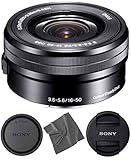
 Canon EF 75-300mm f/4-5.6 III Telephoto Zoom
- EF Mount
- 4.9-foot closest focusing distance
- Measures 2.8 inches in diameter and 4.8 inches…


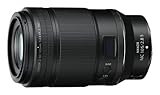
 Canon RF75-300mm F4-5.6
- 75-300mm (35mm equivalent Approx
- Accessible and affordable zoom lens with impressive zoom…
- Long focal lengths provide professional-looking background blur and…


As an Amazon Associate we earn from qualifying purchases at no extra cost to you.
| Product | Best for | Key spec from the title |
|---|---|---|
| Canon EF 75-300mm f/4-5.6 III | Entry-level DSLR telephoto | 75-300mm f/4-5.6 zoom for SLR cameras |
| Canon RF200-800mm F6.3-9 IS USM | Maximum reach on mirrorless | Super-telephoto zoom, 200-800mm, IS |
| Canon RF100-400mm F5.6-8 IS USM | Light mirrorless telephoto | 100-400mm, IS USM, EOS R series |
| Canon RF75-300mm F4-5.6 | Budget mirrorless telephoto | 75-300mm f/4-5.6, EOS R series |
| Canon RF100-500mm F4.5-7.1 L IS USM | Premium L-series mirrorless zoom | 100-500mm, L, IS USM |
| JINTU 420-1600mm F/8.3 | Extreme reach on a tight budget | Manual focus, Canon EF mount, 420-1600mm |
How to Choose
Match the mount before anything else
EF lenses fit Canon DSLRs and, with an adapter, the EOS R mirrorless bodies. RF lenses fit only the EOS R series. If you own a Rebel T7 or a 77D, you need EF. If you own an R-series body, you can choose RF, or EF with an adapter. Check the mount in the title and in the camera name before spending anything.
Focal length and what it actually gets you
Roughly 300mm is enough for stadium sports from the sideline and larger birds near a feeder. Around 400 to 500mm suits wildlife and airshows. Beyond 600mm, the lens becomes a specialist tool that demands a sturdy tripod and bright light. On an APS-C body the effective reach is increased by the crop factor, which can make a 300mm lens behave like a longer one.
Aperture, stabilization, and light
The telephoto zooms in this guide have slow variable apertures, from f/4 at the short end to f/9 at the long end. That means daylight shooting or high ISO. Image stabilization, listed as IS in the Canon titles, is valuable at long focal lengths because it steadies the viewfinder and allows slower shutter speeds. Manual-focus lenses without IS demand a tripod.
What to ignore and where budget lenses cut corners
Ignore headline focal lengths on unbranded manual zooms; reach without sharpness and autofocus is a trade many buyers regret. Budget lenses commonly cut corners on image stabilization, autofocus motors, and edge sharpness. Bundles packed with extra filters and teleconverters add little value, so judge the lens, not the accessories.
Support gear deserves a line in the budget too. Once a lens passes 400mm, a monopod or a gimbal head turns a frustrating day into a productive one, and a lens hood and a spare battery cost little compared with the glass. Think about how you will carry it as well: a long zoom in a shoulder bag is a very different experience from the same lens on a sling strap, and a lens you leave at home takes no pictures at all.
It also helps to decide your subject before the lens. Sports shooters need quick autofocus and enough reach to fill the frame from the touchline. Bird photographers care about stabilization and sharpness at the long end. Moon and landscape photographers can accept manual focus because their subjects hold still. Matching the lens to the subject is more reliable than buying the biggest number.
The 6 Best Options
Canon EF 75-300mm f/4-5.6 III
This is the classic entry telephoto zoom for Canon SLR cameras, listed in black, renewed, and bundled forms that all refer to the same optical design. It is for DSLR owners who want to try telephoto work, such as kids’ sports, pets, and distant landmarks, without a large outlay. Anyone considering a bundle should weigh whether the extra accessories matter.
- Strength: an affordable way to get 300mm of reach on a DSLR.
- Strength: the f/4-5.6 aperture is relatively bright for its range.
- Trade-off: the title does not mention image stabilization.
Beginners can learn a great deal from it before deciding whether to buy a better lens. Skip it if you shoot with a mirrorless R body and want stabilization.
Canon RF200-800mm F6.3-9 IS USM
This is a compact mirrorless super-telephoto zoom with a very wide range, aimed at wildlife, nature, outdoor sports, and distant subjects. The title highlights its powerful zoom range and a size that is compact for its reach. It suits enthusiasts who want 800mm without moving to a very large prime.
- Strength: 200 to 800mm in one lens for R-series bodies.
- Strength: IS USM provides stabilization and a quiet focus motor.
- Trade-off: the aperture reaches f/9 at the long end, so it needs bright light.
It rewards photographers who have a mirrorless body and a plan for support, such as a monopod, because long reach amplifies every small movement. A single lens that replaces several fixed telephotos also saves money and bag space on a trip. Skip it if you shoot in dim conditions or want a faster aperture.
Canon RF100-400mm F5.6-8 IS USM
This mirrorless telephoto zoom covers 100 to 400mm with image stabilization and a USM motor. It targets travelers and hobbyists who want a lighter way to photograph birds, sports, and landscapes on an EOS R body, with a range that works for both wide scenes and distant subjects.
- Strength: versatile 4x zoom range with stabilization.
- Strength: designed for EOS R bodies with a lighter footprint.
- Trade-off: aperture slows to f/8 at the long end.
For many people it is the sweet spot between reach and portability, since 400mm handles a wide range of outdoor subjects while keeping the setup manageable on a hike or a family trip. The slow end of the zoom range means you should plan around daylight. Skip it if you need more than 400mm or a constant bright aperture.
Canon RF75-300mm F4-5.6
This is the budget RF-mount telephoto zoom, designed for EOS R series cameras. It suits new mirrorless owners who want to try telephoto without a big investment and who shoot mostly in daylight.
- Strength: a low-cost RF-mount telephoto option.
- Strength: a relatively bright aperture range for the focal span.
- Trade-off: the title does not list stabilization.
It is easy to outgrow if you shoot a lot, but it is a fair starter. Skip it if you want stabilization or reach beyond 300mm.
Canon RF100-500mm F4.5-7.1 L IS USM
This is Canon’s L-series mirrorless super-telephoto zoom, with IS USM and a broad 100 to 500mm range. It is for serious wildlife, aviation, and sports photographers on EOS R bodies who want professional build and the best optical quality in this guide.
- Strength: L-series construction with a 5x zoom range.
- Strength: IS USM stabilization and a fast, quiet motor.
- Trade-off: it sits at the premium tier.
Hobbyists who shoot telephoto once a month may not use enough of it to justify the cost. Skip it if you prefer an inexpensive lens or own an EF-mount camera.
JINTU 420-1600mm F/8.3
This manual-focus telephoto zoom is built for Canon EF-mount cameras and lists a Rebel and EOS DSLR range. It offers enormous nominal reach at a budget tier, aimed at moon photography and other static distant subjects for beginners who understand its limits.
- Strength: extreme focal length for a very low price tier.
- Strength: fits a long list of Canon DSLR models.
- Trade-off: manual focus and no stabilization, so a heavy tripod is almost mandatory.
Skip it if you shoot moving subjects or expect crisp results handheld.
Whatever you choose, remember that the lens is only half of a telephoto setup. Shutter speed discipline, a steady stance, and good light account for as many sharp frames as the glass does, and learning those habits is worth more than any upgrade.
Which One Fits Your Situation
You own a Canon DSLR and want to try telephoto
The EF 75-300mm f/4-5.6 III is a low-risk way to learn what you like to shoot.
You photograph birds and wildlife on a mirrorless R body
Choose the RF100-500mm L IS USM if the budget allows, or the RF200-800mm if you want maximum reach and can accept slow aperture.
You travel and want a lighter kit
The RF100-400mm F5.6-8 IS USM balances range and weight.
You want to photograph the moon on a shoestring
The JINTU 420-1600mm gives reach, provided you use a tripod and accept manual focus.
If budget is the main limit, the sequence matters. Start with the lens that fits your mount and your most frequent subject, shoot with it for a season, and note where it falls short: reach, light, or focus speed. That record tells you exactly what the next lens needs to do, and it prevents paying for capability you never use. Renewed copies can also stretch a budget, provided the seller offers a clear return window.
Common Mistakes
- Ordering an RF lens for an EF DSLR, or the reverse, without checking the mount.
- Choosing the longest zoom and then discovering that low light and handheld use defeat it.
- Buying an accessory-filled bundle instead of a better lens.
- Skipping image stabilization on lenses that exceed 300mm.
- Expecting autofocus performance from a manual-focus extreme zoom.
Weather matters as well. Wildlife and sports happen outdoors, so keep a rain cover in the bag and wipe the front element before each session. A clean lens, a firm grip, and a fast enough shutter speed will do more for your results than another hundred millimeters of reach.
Related guides
- Wireless Chargers For Iphone And Airpods
- Noise Cancelling Earbuds Under $100
- Mechanical Keyboard For Programming
Frequently Asked Questions
Can RF lenses be used on DSLRs?
No. RF lenses are designed for the EOS R mirrorless mount. DSLR owners need EF or EF-S lenses.
How much reach do I need for sports?
Around 300mm covers most sideline photography. Larger fields and airshows reward 400 to 500mm.
Is image stabilization necessary?
It is highly useful beyond 300mm when handheld, because it allows slower shutter speeds without blur.
Are extreme zooms like 420-1600mm worth it?
For static subjects and tripod work, they can be fun. For moving subjects, a modern autofocus zoom is more practical.