Key takeaways
- Do not overload past the weight capacity listed by the maker. Overloaded handles and wheels can fail.
- Keep the handle fully extended when rolling to avoid tripping over the bag.
- Lift rather than drag the bag on stairs, and use the grab handles.
- Wipe the surface with a damp cloth and keep wheels free of debris. Do not use harsh solvents.
- Pack the laptop away from the wheel side, where impacts are more common, and use extra padding for fragile devices.
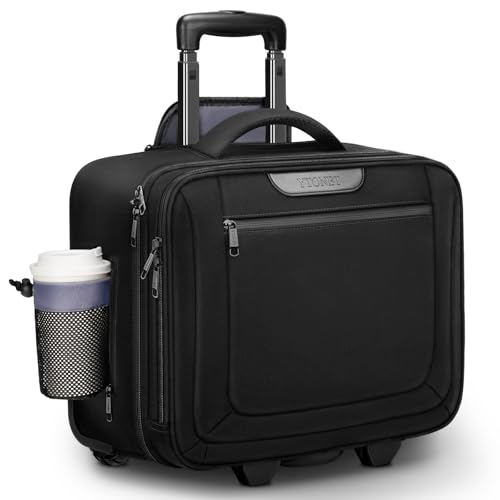
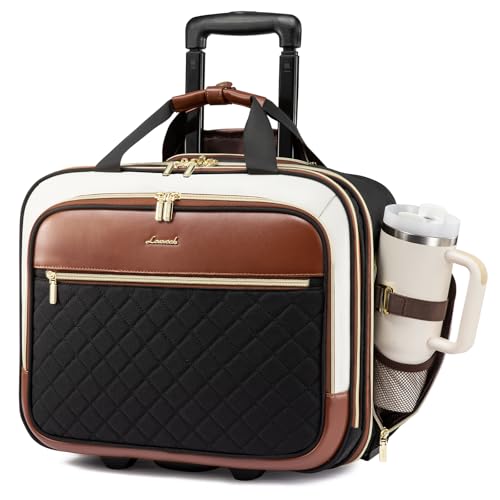
The best rolling laptop bag for frequent travelers is usually a wheeled briefcase or rolling tote from an established luggage maker such as Samsonite, Travelpro, Tumi or SwissGear, while Targus and similar brands offer lower-cost options for occasional use. Choose a wheeled briefcase if you carry paperwork and a laptop through airports daily, a rolling backpack if you also need to climb stairs, and a rolling tote or overnighter if you need room for a change of clothes.
Our top picks


As an Amazon Associate we earn from qualifying purchases at no extra cost to you.
Why a Rolling Laptop Bag
A laptop with a charger, documents and accessories can weigh several kilograms. Carried on one shoulder through a long airport, that adds up. A rolling bag shifts the weight to wheels and a telescoping handle, which reduces strain on the neck and back. The trade-off is that wheeled bags are heavier empty, awkward on stairs and cobblestones, and sometimes harder to stow under a seat.
At a Glance: Rolling Laptop Bag Types and Lines
| Type and example line | Best for | Key stated features (per maker) | Limits |
|---|---|---|---|
| Wheeled briefcase (Samsonite and Travelpro business lines) | Daily commuters and flyers with paperwork | Padded laptop compartment, telescoping handle, organizer pockets | Smaller capacity than a carry-on suitcase |
| Rolling backpack (SwissGear and Targus lines) | Mixed walking and rolling | Shoulder straps, wheels, padded laptop sleeve | Straps and wheels add weight |
| Rolling tote or underseat bag (Travelpro Crew-type lines) | Short trips needing extra room | Underseat-friendly sizing on some models, laptop pocket | Check dimensions against the airline’s size limit |
| Tumi wheeled business cases | Premium business travel | Durable construction and structured organization per maker | Premium tier and heavier build |
| Budget wheeled laptop cases | Occasional use | Basic padding, lighter materials | Wheels and handles can wear faster |
Model lines change, so match the exact model name and its listed dimensions on the maker’s page.
What to Look For
Laptop compartment and fit
Look for a dedicated padded section sized for your laptop. Makers list the largest supported screen size, often 15.6 or 17 inches, but internal dimensions vary. Compare them with your laptop’s width and depth. The compartment should hold the device snugly with a raised edge off the ground.
Wheels and handle
Inline skate-style wheels are common on quality luggage and roll smoothly over flat ground. Handles should lock firmly at one or more heights. A wobbly telescoping handle is a common reason for returns, so reviewers often favor bags with sturdy metal frames.
Weight
Because of wheels and handles, rolling bags weigh more than carried briefcases. Check the empty weight on the spec sheet if you pack close to airline allowances.
Size for airline use
Underseat limits and cabin-bag limits differ by airline and aircraft. A rolling bag listed as a carry-on may still be too large for the underseat space. Measure including wheels and handles, and read the airline’s rules before travel.
Carry options
Many wheeled briefcases include a shoulder strap or hand handles for stairs. A trolley sleeve lets the bag slide over the handle of a larger suitcase, which saves a hand in busy terminals.
Materials
Ballistic nylon and polyester are common, with leather trim on premium models. Look for reinforced corners and quality zippers. Water-resistant coatings help in light rain, but follow the maker’s care guidance.
Budget, Mid-Range and Premium Tiers
| Tier | Examples | What you get | Trade-offs |
|---|---|---|---|
| Budget | Targus and entry wheeled cases | Basic padding and rolling function | Lighter materials, handles and wheels may wear sooner |
| Mid-range | Samsonite, Travelpro, SwissGear | Sturdier frames, better organization, warranties | Heavier than commuter bags |
| Premium | Tumi and upper-tier lines | Stronger materials, refined design, service networks | Highest cost and weight |
Matching the Bag to Your Routine
Daily airport commuter
A wheeled briefcase with a trolley sleeve and quick-access laptop pocket saves time at security. Look for models where the laptop can be removed or placed flat for screening, as airport rules differ.
Campus or mixed terrain
A rolling backpack handles stairs and rough ground better than a briefcase. Padded straps matter if you carry it for long stretches.
Sales and field work
Choose a larger rolling tote or case with space for samples and a printer-sized load. Check the maker’s weight capacity so the frame and wheels are not overloaded.
Teachers and students
Schools often require a bag that rolls for heavy books. Check the school’s policies on wheeled bags, and consider hallway width and stairs.
Safety and Care
- Do not overload past the weight capacity listed by the maker. Overloaded handles and wheels can fail.
- Keep the handle fully extended when rolling to avoid tripping over the bag.
- Lift rather than drag the bag on stairs, and use the grab handles.
- Wipe the surface with a damp cloth and keep wheels free of debris. Do not use harsh solvents.
- Pack the laptop away from the wheel side, where impacts are more common, and use extra padding for fragile devices.
Pick X If …
| If you … | Pick | Reason |
|---|---|---|
| Fly often with a laptop and documents | Wheeled briefcase from Samsonite or Travelpro | Organization and a familiar carry-on format |
| Walk and climb stairs too | Rolling backpack | Shoulder straps as a backup |
| Need extra clothing room | Rolling tote or underseat case | More capacity |
| Want the most robust build | Tumi or upper-tier lines | Heavier-duty materials |
| Travel only occasionally | Targus or other budget case | Lower cost |
Alternatives
- Standard carry-on suitcase plus laptop backpack: More space, with the backpack riding on the suitcase handle.
- Briefcase with a trolley sleeve: No wheels of its own, but slides over a suitcase handle.
- Convertible backpack briefcases: Light and flexible if you rarely carry heavy loads.
- Shoulder messenger bags: Simple choice for short commutes.
Security Screening and Travel Tips
Airport screening rules vary by country and checkpoint. Some bags use a checkpoint-friendly design in which the laptop section unfolds flat, while others require removing the laptop. Keep the laptop in an easy-to-reach pocket, and pack cables in a small pouch to speed up the process. Label the bag with contact information, and use a tracker if you wish. Lithium batteries and power banks should normally travel in the cabin, according to airline rules, so keep them in the bag you carry on board.
Warranty and Repair
Luggage makers often offer limited warranties and repair services for wheels, handles and zippers. Read the terms, since airline damage and normal wear may be excluded. Replacement wheels and handle parts are sometimes available from the maker, which can be cheaper than buying a new bag.
Organization Inside the Bag
A tidy interior speeds up travel days. Use a small pouch for chargers, a slim folder for documents, and a dedicated pocket for travel papers. Place heavier items closer to the wheels and keep the laptop against the back panel, where padding is typically thickest. Avoid overstuffing the front pockets, which can strain zippers and make the bag tip.
Choosing Wheel Type
Two-wheel designs are lighter and roll behind you, which is convenient in narrow aisles. Four-wheel spinner designs glide beside you and are easy on smooth floors but can roll away on slopes. Larger, softer wheels handle rough pavement better, while small hard wheels are quieter indoors. Recessed wheels are less likely to snag or break, though they can take space inside the bag.
Frequently Asked Questions
Are rolling laptop bags allowed on planes?
Generally yes as a personal item or carry-on, but sizes vary by airline and aircraft. Measure the bag including wheels and handle and read the airline’s rules before travel.
Do rolling laptop bags protect laptops well?
Quality models include padded compartments, but padding varies. Adding a protective sleeve provides a second layer. No bag can guarantee protection against drops or heavy impacts.
How heavy are rolling laptop bags?
They are heavier than carried briefcases because of wheels and handles. Makers list empty weight on the spec sheet, and this matters if you are near airline weight limits.
What size bag fits a 17-inch laptop?
Look for a bag whose laptop compartment is listed for 17-inch devices and compare the internal dimensions with your laptop. Allow some extra room for a case or thick chassis.
Are rolling backpacks comfortable to carry?
They are practical for short distances, but the frame and wheels add weight and stiffness. Padded straps and a back panel help. For long carries, a standard backpack is lighter.
How do I maintain the wheels and handle?
Remove debris from the wheels, wipe the surfaces, and avoid overloading. Keep the handle retracted when stored. If a part fails, contact the maker, since many offer warranty service.