Key takeaways
- Cleanse skin and dry thoroughly before use.
- Do a patch test on a small area first and wait for any reaction.
- Keep the tip moving in short strokes, as the manual describes, and avoid the eye area.
- Limit frequency according to the maker’s guidance, since over-exfoliating can damage the skin barrier.
- Use moisturiser and broad-spectrum sun protection afterwards.
- Avoid using strong exfoliating acids or retinoids on the same day unless a dermatologist says otherwise.
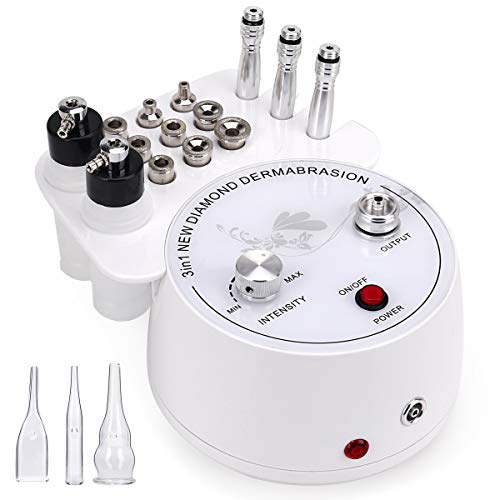
The best microdermabrasion machine for most home users is a gentle, adjustable-suction device with replaceable diamond or crystal-free tips, such as the PMD Personal Microderm line for people who want a recognised brand, a Silk’n-style device for those who want a simple handheld, and a lower-powered budget unit for first-time users who prefer to start slowly. Home microdermabrasion devices are cosmetic exfoliation tools, not treatments for skin conditions, and anyone with acne, eczema, rosacea, active infections, open wounds or sensitive skin should check with a dermatologist before using one.
Our top picks



As an Amazon Associate we earn from qualifying purchases at no extra cost to you.
Machines at a glance
| Type | Best for | Key stated features | Limits |
|---|---|---|---|
| PMD Personal Microderm (Classic and Pro lines) | Users who want a known brand with several intensity levels | The maker lists suction with replaceable discs of different grits, and multiple intensity settings | Discs wear out and must be replaced; not for sensitive or broken skin |
| Trophy Skin MicrodermMD | Users wanting a handheld with a vacuum and diamond tips | The maker lists diamond tips, adjustable suction and rechargeable operation | Needs careful cleaning of tips; suction too high can irritate |
| Silk’n-style handheld devices | Beginners who want simple operation | Makers list gentle exfoliation heads and basic settings | Fewer features; results vary |
| Budget diamond-tip vacuum devices | Trying the idea at low cost | Typically several tips, adjustable suction, USB charging | Quality control varies; limited support |
| Chemical exfoliants (not a machine) | People who want exfoliation without a device | Acids or enzymes in leave-on products | Can also irritate; follow label directions |
What microdermabrasion is and what it is not
Microdermabrasion is a mechanical exfoliation method. Professional versions use a handpiece with fine crystals or a diamond-coated tip, plus suction, to remove the outermost dead layer of skin. At-home devices use the same idea at much lower intensity. Manufacturers and reviewers describe the goal as smoother-feeling skin and a brighter look, not as treating medical conditions. Home devices do not replace professional procedures, and they should never be used to treat scars, acne breakouts or any skin concern without advice from a dermatologist.
Who should not use one
Home abrasion devices are generally unsuitable for anyone with active acne lesions, eczema, psoriasis, rosacea, sunburn, cold sores, open wounds, recent cosmetic procedures, or a history of keloid scarring. People taking medicines that thin or sensitise the skin, including some acne medicines, should talk to a doctor first. If you are pregnant, have a skin condition or are unsure, check with a dermatologist before starting. Stop using the device and see a doctor or dermatologist if you experience persistent redness, pain, blistering or unusual changes.
Features that matter
Adjustable suction
Lower suction is gentler. A device that lets you start low is better for beginners. Never hold the tip in one place, and never stretch or pull skin harder than the manual says.
Tip or disc material
Diamond-coated tips are the common approach in consumer devices because they do not use loose crystals. Some devices use replaceable abrasive discs of different grits. Coarser grits are more aggressive. Beginners typically begin with the finest option the maker supplies.
Replaceable parts
Discs and filters wear out, and filters collect skin debris. Check the replacement cost and availability before buying, since this ongoing cost often matters more than the initial price.
Cleaning and hygiene
Debris can collect in tips and filters. Clean and dry them after each use according to the manual to avoid spreading bacteria. Do not share a device with another person.
Power
Rechargeable devices are more convenient than corded models. Charge them with the cable supplied and follow the maker’s guidance on charging. Keep the device away from water unless the maker states it is water resistant.
PMD Personal Microderm
The PMD line is one of the best-known at-home microdermabrasion brands. The maker lists replaceable discs in different grits and multiple intensity settings, and the line includes models with and without extra features. Reviewers describe it as an effective but definitely noticeable exfoliator that should be used sparingly, and they stress that sun protection matters after exfoliating. It is a strong choice for people who want a recognised brand and a clear instruction set, but those with sensitive skin may find it too strong.
Trophy Skin MicrodermMD
The MicrodermMD is a handheld with vacuum and diamond tips. The maker lists adjustable suction and multiple tips for face and body areas. It suits users who want to treat more than the face, though body use should still be gentle. Reviewers note that careful tip cleaning is essential. Because it is a more serious device, it is better for people already comfortable with exfoliating tools.
Beginner and budget devices
Entry-level devices from lesser-known brands copy the diamond-tip-and-suction design at lower cost. They can be fine for occasional use, but quality control and support vary, and some have less precise suction control. If you choose one, begin on the lowest setting, test on a small patch, and watch for irritation. Be wary of any listing that promises to remove scars, wrinkles or medical skin problems, since consumer devices cannot make such claims.
Use and safety basics
- Cleanse skin and dry thoroughly before use.
- Do a patch test on a small area first and wait for any reaction.
- Keep the tip moving in short strokes, as the manual describes, and avoid the eye area.
- Limit frequency according to the maker’s guidance, since over-exfoliating can damage the skin barrier.
- Use moisturiser and broad-spectrum sun protection afterwards.
- Avoid using strong exfoliating acids or retinoids on the same day unless a dermatologist says otherwise.
Pick X if…
| If you… | Pick |
|---|---|
| Want a recognised brand with clear guidance | PMD Personal Microderm |
| Want a diamond-tip handheld usable on face and body | Trophy Skin MicrodermMD |
| Are a beginner wanting a simple device | A gentle Silk’n-style handheld |
| Want to try the idea on a tight budget | A budget diamond-tip vacuum device, used cautiously |
| Have sensitive skin or a skin condition | Ask a dermatologist before choosing any device |
Choosing sensibly
Because skin responds differently from person to person, the safest approach is to treat any home abrasion device as optional. Consider whether a gentler routine of cleansing, moisturiser and daily sunscreen would meet your goals before adding a device. If you do buy one, read the full manual before the first use, note the cleaning and storage instructions, and keep the packaging in case you need to return it.
Look at the long-term cost. Discs, filters and tips are consumables, and some makers sell them only through their own channels. A cheaper device with expensive refills may cost more over a year than a pricier one with long-lasting tips. Also look at the return and warranty policies, as well as whether the maker publishes clear contact details for support.
Finally, be sceptical of before-and-after photos and strong promises in marketing. Independent reviewers and dermatology organisations generally describe at-home abrasion as mild, cosmetic and temporary. Results depend on skin type, frequency of use and sun protection, and none of these devices should be used to treat a medical problem. If you notice a new or changing mole, a persistent rash or a wound that does not heal, see a doctor rather than trying a device.
Alternatives worth a look
- Professional treatments: a licensed practitioner can assess your skin and choose a suitable procedure.
- Gentle chemical exfoliants: low-strength leave-on acids work chemically rather than mechanically. They can still irritate, so follow label directions.
- Soft cleansing tools: sonic cleansing brushes are milder than abrasion devices and suit people wanting a simple routine.
Frequently Asked Questions
How often can I use a microdermabrasion machine at home?
Follow the maker’s manual, since schedules differ by device and disc grit. Many suggest no more than once or twice a week, and fewer if skin feels tender. Over-exfoliating can damage the skin barrier.
Is at-home microdermabrasion as effective as a professional treatment?
No. Home devices are lower in intensity and designed for gentle cosmetic exfoliation. A dermatologist or licensed practitioner can offer stronger options and assess whether they are suitable for you.
Can I use it on acne-prone skin?
Not on active breakouts. Abrasion can irritate inflamed skin and spread bacteria. If you have acne, ask a dermatologist what is appropriate for you.
Do I need sunscreen afterwards?
Yes. Freshly exfoliated skin can be more sensitive to sunlight. Use a broad-spectrum sunscreen as directed and avoid prolonged sun exposure.
How should I clean the device?
Clean tips and filters after each use as the manual describes, and let them dry fully. Replace discs and filters at the interval the maker lists. Never share your device.
Can I use it with other skincare products?
Use gentle, fragrance-free moisturiser afterwards. Avoid strong acids and retinoids around the same time unless your dermatologist advises otherwise. Stop using the device if irritation develops.