Our Top Picks
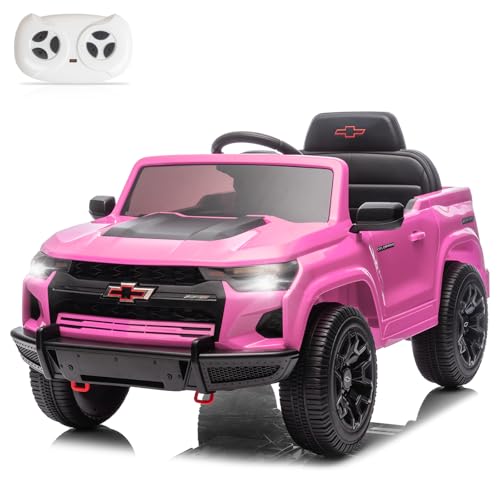 Winado 12V Licensed Chevrolet Colorado Electric Ride on12V40.15 x 21.65 x 22.83 inchesCheck on Amazon
 ELEMARA Licensed Mercedes-Benz AMG G63 Ride on ToysExtra Large40.7 x 24.4 x 20.5 inches34.4 PoundsCheck on Amazon
The right electric car for a small child is usually the one that matches their size and skill, not the one with the most horsepower. Among the eight listings here, the 12V Winado, MUKIDY and ELEMARA models are the usual starting points for toddlers and preschoolers, while the 24V Bronco-style cars and the 36V UTV are aimed at bigger kids and, in two cases, two riders.
All details below come from listing titles, published specifications and buyer reviews, not from our own handling of the products. Nobody on the team used or measured these units, so treat speed, battery and fit claims as seller claims. Ride-on vehicles carry real safety considerations, so we cover those in detail.
Top picks at a glance
Winado 12V Licensed Chevrolet Colorado Electric Ride on Car for Kids, Pink | Ride on Toys for Toddlers w/ Remote Control, Battery Powered, Bluetooth, Soft Start, LED Lights


As an Amazon Associate we earn from qualifying purchases. Product prices and availability are accurate as of the date/time indicated.

MUKIDY Kids Ride-on Car Licensed McLaren765LT for 3-6Years Old, Electric car 12V Battery Powered Electric Vehicle, w/Parent Remote, Music Player, LED Lights, Smooth Start, 3 Speeds, Pink


As an Amazon Associate we earn from qualifying purchases. Product prices and availability are accurate as of the date/time indicated.
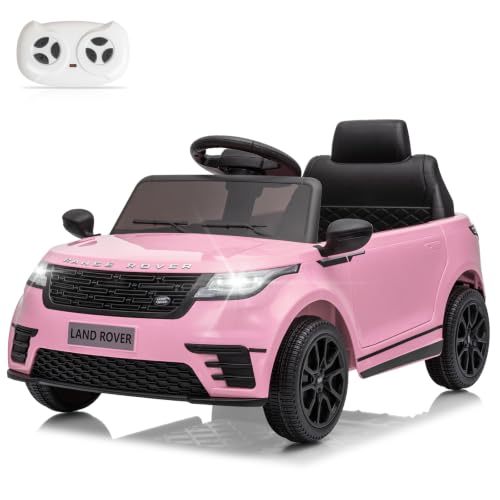
Winado 12V Ride on Licensed Land Rover Electric Car with Remote, Pink | Licensed Appearance, Parent Control, 1.2-2.5 Mph Speed, Bluetooth, 3 Speeds, LED Lights


As an Amazon Associate we earn from qualifying purchases. Product prices and availability are accurate as of the date/time indicated.

2 Seater Ride On Car for Kids, 24V Licensed Ford Bronco Raptor Electric Power Ride On Truck Toy with Remote Control, 4 Wheels Shock Absorption, Soft Start, Bluetooth, Radio, 3 Speed - Blue


As an Amazon Associate we earn from qualifying purchases. Product prices and availability are accurate as of the date/time indicated.
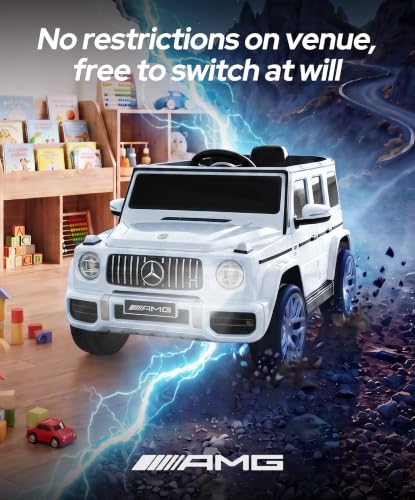
ELEMARA Licensed Mercedes-Benz AMG G63 Ride on Toys,Electric Car for Kids W/Parents Control,Electric Powered G Wagon Ride On Truck Toy,Low Battery Prompt,Bluetooth,Flickering Lights/LED Lights, White




As an Amazon Associate we earn from qualifying purchases. Product prices and availability are accurate as of the date/time indicated.
| Model | Key point from the title | Price tier | Best for |
|---|---|---|---|
| Winado 12V Mercedes-Benz AMG GTR | 12V, parent remote, wider seat, openable doors, 3 speeds | Budget | Toddlers and preschoolers who like a sports-car look |
| Winado 12V Chevrolet Colorado | 12V, remote, soft start, Bluetooth, LED lights | Budget | Young toddlers on flat ground |
| Winado 12V Land Rover | 12V, remote, 1.2-2.5 mph, 3 speeds | Budget | First-time riders needing a stated slow speed |
| MUKIDY 12V McLaren 765LT | For ages 3-6, parent remote, music player, 3 speeds | Budget | Preschoolers who like music and a sleek look |
| ELEMARA Mercedes-Benz AMG G63 | Parent control, low battery prompt, Bluetooth, LED | Mid-range | Parents who want a battery warning |
| First Ride On 24V Ford Bronco Raptor | 24V, 2 seats, remote, suspension, 3 speeds | Premium | Siblings or bigger kids |
| Seizeen 24V Ford Bronco Raptor | 24V, 2 seats, remote, shock absorption, radio | Premium | A second option in the same class |
| First Ride On 36V UTV | 36V, 400W, 2 seats, ages 6+, 5-8 MPH, metal frame | Premium | Older kids on open, flat ground with supervision |
What is changing in kids’ ride-on cars
Ride-on cars have changed from simple single-speed toys into small vehicles with features borrowed from adult cars. Listings now routinely mention Bluetooth, music players, LED lights, openable doors and parent remotes, and the voltage range has stretched from 6V and 12V up to 24V and beyond. In general terms, higher voltage and bigger motors mean more power and speed, which makes the match between car and child more important than it used to be.
Licensed designs are another trend. Many models are sold as licensed versions of real vehicles, which can mean authentic styling, but it also means the badge may add to the price without changing the performance. Treat “licensed” as a seller description, and look past it to the voltage, seat size and control features.
Safety features are slowly getting more attention. Soft-start systems aim to stop sudden jerks, parent remotes can override a child’s steering, and some listings mention low-battery prompts. These are helpful but not substitutes for supervision. Standards and labeling vary by market, so check the manual and packaging for the manufacturer’s stated safety information.
Finally, listings in this category are often near-duplicates sold under different brand names, with the same body shape and feature list but different sellers. That makes the warranty, parts availability and return terms as important as the headline specifications.
How we picked these
We read each listing title and details, noted what the title says about voltage, seats, speed and controls, and grouped the cars by the age and size they appear to target. We looked at safety features first, because for a child’s vehicle they matter most. Nobody on the team used or measured these units. Where a title is vague or two listings look near-identical, we say so. Price tiers are relative within this set.
The eight listings
Winado 12V Licensed Mercedes-Benz AMG GTR
The title lists 12V, a parent remote, Bluetooth, a wider seat, LED lights, openable doors, smooth start and three speeds, in black. The wider seat is the detail to note: it may suit a child who feels cramped in smaller cars, though the title gives no dimensions.
It suits a toddler or preschooler on a flat driveway, with a parent holding the remote in the early weeks. The openable doors can be fun, but a child can open them mid-ride, so ask how they latch.
- Pros: parent remote; soft-start claim; wider seat; three speeds.
- Cons: no weight limit or age range in the title; doors that open are a handling point.
Check the listing for age range, weight limit and seat belt details. Question to ask: what is the maximum rider weight?
Winado 12V Licensed Chevrolet Colorado
This pink pickup-style listing names 12V, a remote, a battery-powered build, Bluetooth, soft start and LED lights, and positions the car for toddlers. The title does not state speed or weight limit.
It fits a young child learning to steer. A typical scenario is a backyard patio where a parent follows along with the remote for the first weeks, then lets the child drive alone within view.
- Pros: parent remote; soft start; toddler positioning.
- Cons: no speed figure in the title; no weight limit stated.
Check the listing for speeds and recommended age. Question to ask: how does the remote override work when my child is steering?
Winado 12V Licensed Land Rover
The title gives a speed range of 1.2 to 2.5 mph, 12V, a remote, Bluetooth, three speeds and LED lights, in pink. It is the one 12V model here that states actual speeds in the title, which makes it easy to judge for a first-time rider.
It suits the youngest riders, or children who are nervous about moving fast. Walking pace is slow enough for a parent to keep up beside the car.
- Pros: a stated slow speed range; parent control; lowest outlay in the set.
- Cons: may feel slow to an older child; seat size not stated.
Check the listing for age range and weight limit. Question to ask: will my child outgrow the speed in a few months?
MUKIDY Licensed McLaren 765LT
The title says it is for ages three to six, with a 12V battery, a parent remote, a music player, LED lights, smooth start and three speeds, in pink. The stated age range is useful, since most other titles skip it.
It suits a preschooler who likes music and a low-slung sports look. A low car can be easier to climb into, but check the seat height and leg room against your child’s size.
- Pros: age range stated; parent remote; music player.
- Cons: no weight limit in the title; music players can distract a child while driving.
Check the listing for weight limit and speeds in mph. Question to ask: can the music be turned off or the volume limited?
ELEMARA Licensed Mercedes-Benz AMG G63
The title mentions parent control, an electric-powered G-wagon style truck, a low battery prompt, Bluetooth and flickering or LED lights, in white. It gives no voltage, so the power class is unclear from the headline.
The low battery prompt is the distinguishing feature, since a car that warns you before it stops can save a child from being stranded across the yard. Confirm the voltage on the listing before comparing it with the 12V cars.
- Pros: battery warning; parent control; mid-range outlay.
- Cons: voltage not stated in the title; seat count and speed unclear.
Check the listing for voltage, seats and weight limit. Question to ask: is this a one-seater or two?
First Ride On 24V Ford Bronco Raptor
The title describes a 24V, two-seat licensed ride-on truck for big kids, with remote control, four-wheel suspension, three speeds, LED lights and Bluetooth, in pink. The 24V and two seats put it in a bigger class than the 12V cars above.
It suits siblings or a larger child who has outgrown a 12V car. Because it can carry more weight and moves with more power, rules on supervision and terrain matter more.
- Pros: two seats; suspension; stronger power class; parent remote.
- Cons: premium outlay; heavier and larger to store; not for toddlers.
Check the listing for combined weight limit and top speed. Question to ask: what is the limit if two children ride together?
Seizeen 24V Ford Bronco Raptor
This listing is a near twin of the First Ride On Bronco: 24V, two seats, remote control, four-wheel shock absorption, soft start, Bluetooth, radio and three speeds, in blue, at almost the same price. Treat it as a second option in the same class, not a different category.
It suits the same buyers, so the choice may come down to color, warranty and the seller. Compare the seat dimensions, weight limits and return terms side by side.
- Pros: two seats; soft start; radio and Bluetooth.
- Cons: premium outlay; little to separate it from the other 24V Bronco on the title alone.
Check the listing for age range and warranty. Question to ask: which seller offers clearer support if a part fails?
First Ride On 36V Kids Ride On UTV
The title states 36V, a 400W motor, two seats, ages six and up, 5 to 8 MPH, 14-inch EVA wheels, a metal frame, Bluetooth music and rear metal suspension, in cobalt blue. This is the highest-power listing here and the only one that gives a speed in the 5 to 8 MPH range.
It suits older children on open, flat ground with an adult nearby. Speeds like that call for a helmet and other protective gear as the manufacturer advises, and clear rules about where the vehicle can go.
- Pros: strongest power class; two seats; metal frame; larger wheels.
- Cons: highest outlay; much faster, so more risk; not for young children.
Check the listing for rider weight limit, brake type and age guidance. Question to ask: is my child old and steady enough for this speed?
Buying guide
Start with age, size and weight
The manufacturer’s age range and weight limit are the first things to read. Age ranges are guidelines and a child’s size, coordination and judgment matter as much. If the child cannot reach the pedal or sits slumped in the seat, the car is too big. If they are heavy for their age, check the weight limit before anything else.
Voltage and speed
12V cars are commonly aimed at toddlers and preschoolers, 24V at bigger children or two riders, and 36V at older kids on open ground. More power often means more speed, but listings also differ in motor size, battery capacity and gearing. Look for a stated speed in mph, and for a low-speed setting you can lock.
Parent control and braking
A parent remote that can override the child’s steering and stop the car is the single most useful safety feature for young riders. Ask how far the remote works and whether the child can disable it. Also check how the car stops: some stop when the pedal is released, others need a brake. Smooth or soft start helps avoid sudden jolts.
Seat, belt and doors
Seat belts, secure doors and a stable body matter more than extras like music. Check whether the listing mentions a belt, how doors latch and whether the seat is wide enough for your child. Openable doors can be a hazard if they swing out while moving.
Terrain and battery
Smooth pavement and short grass suit most small cars. Hills, gravel and wet ground can stall lower-voltage models. Battery life depends on the speed and the terrain, and charging often takes many hours. Use the supplied charger, charge in a dry place and never leave it charging unattended. Follow the manufacturer’s instructions and local codes about battery handling and disposal.
Safe-use rules
Ride-ons are toys for driveways, yards and enclosed areas. Keep them away from streets, steps, pools, ponds and slopes. Always supervise within sight, and have your child wear a helmet and closed shoes if the manufacturer advises. Teach the rules before the first ride: stay seated, belt on, stop when you say stop.
Worked example: choosing for a four-year-old and a younger sibling
Assume a four-year-old weighing about 40 lb, a two-year-old sibling weighing about 28 lb, a flat paved driveway and about two 30-minute sessions each week. These are our assumptions, not facts from any listing. A single-seat 12V car fits the four-year-old alone, and a stated weight limit above 40 lb would be enough; if the siblings want to ride together, the combined 68 lb is the number to compare against a two-seat limit.
If one session uses roughly a third of a battery charge at low speed (an estimate), a weekly overnight charge would cover the pattern with room to spare. A 24V two-seater would handle the combined weight more comfortably, but its faster top speeds are more than a two-year-old should be exposed to. In this scenario, we would lean toward a low-speed 12V car with a parent remote until the younger child is older, and revisit a two-seater later.
| Spec concept | What to look for | Why it matters |
|---|---|---|
| Voltage | 12V, 24V or 36V matched to age and terrain | Affects power and speed |
| Speed in mph | A stated range and a low-speed setting | Lets you match speed to the child |
| Parent remote | Override of steering and stop, with range | Supports supervision for young riders |
| Weight limit | Stated maximum for one or two riders | Affects safety and performance |
| Seat belt and doors | A belt and secure door latches | Reduces risk of falls |
| Soft start | Smooth acceleration claim | Avoids sudden jolts |
| Battery and charger | Included charger and stated charge time | Plan for charging routines |
Safety checklist before the first ride
Before a child sits in the car, an adult should go through a short routine. Read the manual for the age range, weight limit and terrain advice. Check that every wheel is firmly attached, the steering moves freely, and the seat belt, if fitted, latches and releases properly. Look at the battery connector and wiring for loose or exposed parts, and keep small parts and packaging away from toddlers during assembly.
Choose a flat, enclosed space, free of traffic, steps, pools, ponds, slopes and sharp drop-offs. Set up cones or chalk lines for a simple route, and use the lowest speed first. If a parent remote is included, test it with the child out of the car so you know how the car responds to each button. Dress the child in closed shoes, and use a helmet and other protective gear if the manufacturer recommends it.
During the ride, stay within arm’s reach for the youngest children and within sight for older ones. Set clear rules: stay seated, keep hands inside, stop when told, and never drive toward other people or animals. End the session if the battery warning appears or the car slows unexpectedly, and let the motor and battery cool before the next ride.
Afterward, charge according to the manufacturer’s instructions, in a dry, ventilated place, away from flammable items and not on a bed or sofa. Do not charge a battery that is swollen, cracked or hot to the touch. Follow the manufacturer’s instructions and local codes for storage and disposal.
Care, storage and growing room
Wipe the body with a damp cloth and dry it, and keep the wheels clear of grass and gravel. Avoid hosing down the electronics, and store the car indoors or under cover, since moisture and temperature extremes can shorten battery life. If you store the car for the winter, check what the manual says about keeping the battery charged and where to keep it.
Cars are also a short-term purchase for many families because children grow quickly. When comparing, think about how long your child will fit and enjoy the model. A low-speed 12V toddler car may last a year or two, a 24V two-seater longer, and the 36V UTV is aimed at older kids. If a younger sibling will inherit the car, check that the seat, belt and remote still work and that the battery holds a charge.
Choosing between the 12V models
Four of the eight listings sit in the 12V class, and their titles overlap heavily: parent remote, three speeds, LED lights and Bluetooth appear on most of them. The differences are in what each title adds. The AMG GTR stresses a wider seat and openable doors, the Colorado stresses a pickup shape and toddler positioning, the Land Rover is the only one that states a speed range in mph, and the McLaren is the only one that states a three-to-six age range and adds a music player.
With so much overlap, the practical way to choose is by the gap between what you know and what you need to know. If you do not yet know how fast your child will want to go, the stated 1.2 to 2.5 mph range removes a guess. If your child is on the tall side for their age, the wider seat could matter more. If your child is easily distracted, you may prefer the car without a music player, or one where the audio can be switched off. And if the child will share the car with a friend, none of these 12V cars is likely to be the right fit, because the titles do not describe a second seat.
Questions to ask the seller
- What are the age range and the maximum rider weight for this exact model?
- What is the top speed in mph on each of the three settings, and can the high setting be locked out?
- How far does the parent remote work, and can the child disable it?
- How long does a full charge take, and what is the typical runtime?
- What does the warranty cover, and are replacement batteries and chargers sold separately?
Mistakes buyers make
The biggest mistake is buying for the child they will become, not the one they are. A fast, heavy car can overwhelm a young child, and the fun of growing into it rarely outweighs the risk. Start with the age and size you have.
Another is trusting the title for safety facts. Many titles skip weight limits, age ranges and belt details, so a missing line is not a feature. Read the manual or listing details, and ask the seller if needed.
A third is skipping assembly care. Follow the instructions and have an adult assemble the car, checking every bolt, wheel and wire. Loose parts can be a hazard.
Fourth, many families forget charging rules. Use only the supplied charger, keep it away from damp areas and do not leave it plugged in unattended. Finally, avoid using the car as a substitute for supervision, even with a remote.
Verdict by use case
For toddlers and first-time riders, the Winado Land Rover with its stated slow speed range is the easiest to judge, with the Chevrolet Colorado and the AMG GTR as similar 12V alternatives. For preschoolers aged three to six, the MUKIDY McLaren states its age range. For parents who want a low battery warning, the ELEMARA G63 is the pick, once you confirm the voltage. For siblings or bigger kids, the two 24V Broncos are near twins, so compare warranty and seller. For older children on open ground with supervision, the 36V UTV is the strongest, and the one that needs the most rules.
If your child is better suited to a scooter than a car, see our guide to electric scooters for kids.
Related guides
- Black Friday And Cyber Monday Deals
- Mechanical Keyboard For Programming
- How To Set Up A Home Media Server
Frequently asked questions
What age is a 12V ride-on car suitable for?
Listings for 12V models often target toddlers and preschoolers, but the right age depends on the child’s size, weight and coordination, not just a number. Always read the manufacturer’s stated age range and weight limit, and watch your child in the seat before buying a bigger model. Start on the lowest speed and keep a parent remote handy until they steer confidently.
Is 24V or 36V better than 12V?
Higher voltage generally means more power, which can help on grass or small slopes and with two riders, but it also means more speed and more responsibility. A faster car is not automatically a better one for a younger child. Match voltage to age, terrain and weight, and check speed claims on the listing before deciding.
What does a parent remote actually do?
Most remotes let an adult steer, start, stop and sometimes change speed from a distance, overriding the child’s controls. That is useful for younger children who are still learning. Check the listing for the remote’s range, and for whether the child can switch it off. Even with a remote, supervise rides within sight at all times.
How long does the battery last and how long does it take to charge?
Runtime depends on the battery size, speed setting, terrain and rider weight, and the listing may give a range that assumes ideal conditions. Charging times for ride-ons are often several hours, sometimes overnight. Use the charger supplied, follow the manufacturer’s instructions, and never leave a battery charging unattended or in a damp place.
Can kids ride these on the street?
No. Ride-on cars are toys, designed for driveways, yards and flat, enclosed areas under supervision. They are not meant for roads, steep slopes, near water or around other vehicles. Even at low speeds, a child in a small car is hard for drivers to see. Check the manual for terrain limits and local rules, and have children wear a helmet if the manufacturer recommends one.
Are the two 24V Bronco listings really the same car?
They look very similar on the title: both name a 24V, two-seat Ford Bronco Raptor with remote control, suspension and three speeds, at nearly the same price. They are sold by different brands, so the build, warranty and seller support may differ. Compare dimensions, weight limits and return terms on both pages before choosing, and read buyer comments for patterns.