The best sneakers for women in 2026 depend on how many hours you spend on your feet: the Hoka Clifton and Brooks Ghost lines lead for all-day cushioning, the Adidas Samba and Gazelle lead for style, and the Nike Air Force 1 and Converse Chuck Taylor lead for durable everyday wear. Pick by use first, then check fit details like toe-box width, heel drop and midsole stack height. This guide covers seven picks across comfort, walking, casual and minimalist categories.
Our top picks


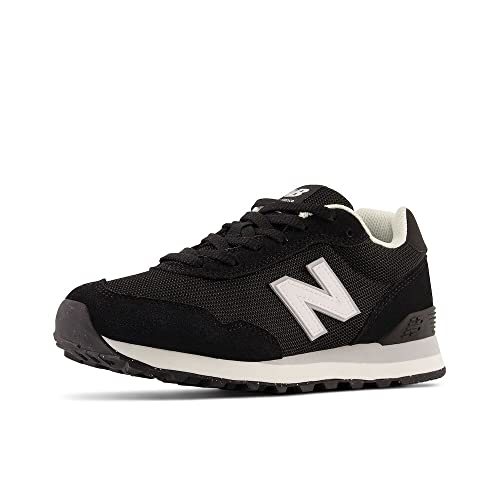
As an Amazon Associate we earn from qualifying purchases at no extra cost to you.
Quick Comparison of the Best Women’s Sneakers
| Pick | Best for | Cushioning | Approx. weight (women’s size 8) | Price range |
|---|---|---|---|---|
| Hoka Clifton | All-day comfort and walking | High, thick foam midsole | about 7.5-8 oz | Mid to upper-mid |
| Brooks Ghost | Daily running and long shifts | Medium-high, balanced | about 8-9 oz | Mid-range |
| New Balance 574 | Classic casual, budget | Moderate | about 11 oz | Budget to mid |
| Adidas Samba OG | Style, dry weather | Low, flat suede-and-leather | about 10-11 oz | Mid-range |
| Nike Air Force 1 ’07 | Durable street style | Moderate, Air unit | about 15 oz | Mid-range |
| On Cloud | Light, slip-on feel travel shoe | Medium, pod cushioning | about 7-8 oz | Upper-mid |
| Converse Chuck Taylor All Star | Flat, minimal, budget | Minimal | about 12 oz | Budget |
Weights and specs are approximate and come from manufacturer spec sheets; they vary by version and size.
Best for All-Day Comfort: Hoka Clifton
The Clifton is Hoka’s best-known daily shoe, built around a thick, lightweight foam midsole and a rocker-shaped sole that smooths each step. It suits nurses, teachers, travelers and anyone walking more than 10,000 steps a day. The weight is low for the amount of cushioning.
The trade-off is a tall, soft stack that feels less stable on uneven ground, and the foam compresses over time, so expect to replace them after several hundred miles of use.
Best for Long Shifts and Running: Brooks Ghost
The Ghost is a neutral cushioned trainer with a balanced midsole, a moderate heel-to-toe drop and a reputation for fitting a wide range of feet. It works as a running shoe and as a work shoe for people who stand all day, and the brand sells multiple width options.
It looks sporty rather than fashionable, so it won’t suit every outfit, and it is heavier than ultra-light racers.
Best Budget Classic: New Balance 574
The 574 is a retro lifestyle sneaker with a suede-and-mesh upper and an EVA midsole. It costs less than most athletic shoes, comes in many colors and pairs with jeans or dresses.
Cushioning is adequate for errands, not for long walks, and the shoe runs slightly narrow for some feet.
Best for Style: Adidas Samba OG
The Samba’s slim, low-profile silhouette with a gum sole has been one of the most visible sneaker trends in recent years, and it still reads as stylish with trousers, skirts and denim. The suede toe overlay and leather upper are relatively durable.
It has little arch support or shock absorption, and the gum sole can slip on wet pavement. Gazelle and Spezial are similar alternatives with slightly different shapes.
Best for Durability: Nike Air Force 1 ’07
The Air Force 1 is a leather court sneaker with a thick rubber cupsole that stays supportive and wipes clean easily. The upper holds its shape for years, making it one of the best cost-per-wear picks in this list.
It is heavier than most, with a stiff break-in period, and the cupsole is less flexible than running-style shoes.
Best Light Travel Shoe: On Cloud
On’s Cloud line uses hollow pods in the sole for a cushioned and springy feel, and many versions are light enough to pack easily. The design is clean enough to wear to an office casually.
The pods can collect small stones, and the price is higher than comparable casual shoes.
Best Minimalist Budget: Converse Chuck Taylor All Star
Chuck Taylors offer a canvas upper, a flat rubber sole and decades of design consistency. They are the cheapest option here and work for casual days and warm weather.
There is almost no arch support or cushioning, so they are poor for long walks, and canvas offers little water protection.
Match Your Activity to a Sneaker Type
| Daily activity | Recommended sneaker type | Look for |
|---|---|---|
| 8+ hours standing at work | Cushioned trainer | Midsole stack 30 mm or more, slip-resistant outsole |
| Walking 10,000+ steps | Rocker-sole or max-cushion shoe | Heel drop 4-8 mm, breathable mesh |
| Casual city wear | Leather or suede lifestyle sneaker | Supportive insole, clean design |
| Travel days | Light slip-friendly shoe | Weight under 9 oz, quick-dry upper |
| Warm weather errands | Canvas or knit sneaker | Breathability, flat sole |
How to Choose Women’s Sneakers
Fit and sizing
Leave about a thumb’s width (roughly 0.5 inch) between your longest toe and the end of the shoe. Try shoes late in the day, when feet are slightly swollen, and wear the socks you plan to use.
Width and toe box
Many women’s models run narrow. If you often get blisters or numb toes, look for a wide option or a roomier toe box from brands that sell multiple widths.
Midsole stack and drop
Stack height is the amount of foam between foot and ground; 30-40 mm feels soft and cushioned, 20 mm or less feels firmer. Drop is the height difference between heel and forefoot, and a drop of 8-12 mm is typical for cushioned trainers.
Upper material
Mesh breathes but wears faster. Leather lasts longer and can be cleaned but takes time to break in. Suede looks good but stains from water.
How long sneakers last
Running-style foam usually lasts about 300-500 miles. Replace a pair when the midsole shows creases or your knees and arches start to ache after a normal day.
Worked Example: Cost Per Wear
A 120-dollar pair worn 4 days a week for 12 months is about 200 wears, or around 0.60 dollars per wear. A 55-dollar pair that wears out in 6 months costs about 0.53 per wear but may need replacing twice as often. Durability and comfort usually matter more than sticker price.
How to Break In and Care for New Sneakers
Wear new sneakers around the house for a few hours before using them for a full day, and use the same socks you plan to wear outside. Leather and suede models such as the Air Force 1 and Samba usually need several wears to soften, while knit and mesh running shoes feel ready out of the box. Rotate between two pairs when you can: midsole foam needs about 24 hours to decompress, and rotating can extend the life of each pair.
Signs It Is Time to Replace Your Sneakers
Look for visible creasing across the midsole, an outsole where the tread has gone smooth, a heel that tilts to one side on a flat surface, or new aches in your feet, knees or hips after normal activity. Lifestyle sneakers with rubber cupsoles often last longer than foam runners because the rubber does not compress as quickly.
Arch Type and Sneaker Choice
| Foot type | How to spot it | What to look for |
|---|---|---|
| Flat arch | Wet footprint shows nearly the whole foot | Stable midsole, firm heel counter |
| Neutral arch | Footprint shows a clear but moderate curve | Balanced cushioning; most trainers work |
| High arch | Footprint shows a thin strip along the outside | Soft, flexible cushioning |
This is general guidance; a podiatrist or specialty shoe store can give personal advice if you have foot pain.
Frequently Asked Questions
What are the most comfortable sneakers for women?
Cushioned daily trainers like the Hoka Clifton and Brooks Ghost are widely recommended for comfort, thanks to thick midsoles and soft foam. Comfort still depends on foot shape, so fit matters more than brand.
Which sneakers are best for walking all day?
Choose a shoe with a stack of at least 30 mm, a rocker-shaped sole and a breathable upper. Cushioned trainers outperform flat fashion sneakers for walking more than a few miles.
Are Sambas good for walking?
They are fine for short city walks but offer little cushioning or arch support. For long days, pick a cushioned trainer and save Sambas for casual outings.
How often should I replace sneakers?
Every 300-500 miles for running-style shoes, or about every 6-12 months if you wear them daily. Lifestyle leather sneakers can last longer if the sole stays intact.
How do I clean white leather sneakers?
Wipe with a damp cloth and a small amount of mild soap, use a soft brush on the sole, and air-dry away from direct heat. Avoid machine washing leather.