The best board games in 2026 for most groups are Ticket to Ride for families, Azul for quick two- to four-player games, Wingspan for relaxed strategy, Codenames for big parties and Pandemic for cooperative play. Catan remains the classic gateway to hobby gaming, and Cascadia is a modern pick that plays well solo or with a partner. This guide lists seven proven games with player counts, play times and who each one suits.
Our top picks



As an Amazon Associate we earn from qualifying purchases at no extra cost to you.
Quick Comparison of the Best Board Games
| Game | Best for | Players | Play time | Age | Complexity |
|---|---|---|---|---|---|
| Ticket to Ride | Families, first-time players | 2-5 | 30-60 min | 8+ | Light |
| Azul | Couples, quick strategy | 2-4 | 30-45 min | 8+ | Light |
| Wingspan | Relaxed engine building | 1-5 | 40-70 min | 10+ | Light-medium |
| Codenames | Parties and large groups | 2-8+ | about 15 min | 10+ | Light |
| Pandemic | Cooperative play | 2-4 | about 45 min | 8+ | Medium |
| Catan | Classic trading and negotiation | 3-4 (expansions up to 6) | 60-120 min | 10+ | Medium |
| Cascadia | Solo and two-player puzzle | 1-4 | 30-45 min | 10+ | Light |
Player counts, times and ages come from publisher listings and may vary by edition.
Best for Families: Ticket to Ride
Players collect colored train cards and claim routes between cities on a map. The rules take about ten minutes to explain, and the tension of blocking rivals keeps it engaging. It scales from two to five players and suits both kids and adults.
It has some luck in card draws and a long tail in late rounds, and the standard North America map is just one of many versions.
Best Quick Strategy: Azul
Azul is an abstract tile-drafting game where players collect colored tiles to build patterns on a personal board. It plays in about 30-45 minutes and gives meaningful choices without a thick rulebook. Its smooth pieces are a pleasure to handle.
The strategy can feel dry for players who want a theme, and experienced players may find the two-player game tight.
Best Relaxed Engine Builder: Wingspan
Wingspan has players attract birds to their habitats and build card combinations that trigger each other. It has a calm, nature-focused feel, with more than a hundred distinct birds and expansions to extend play. A solo mode and a good two-player experience make it flexible.
Setup takes a little time, and scoring has several parts, which can slow new players.
Best for Parties: Codenames
Two teams give one-word clues to guess secret words on a grid. It works with groups from four to over ten, plays in about 15 minutes and requires almost no setup. Rounds are quick, so you can replay it several times in an evening.
It needs at least four players to shine, and the word-association style can frustrate players who think differently.
Best Cooperative Game: Pandemic
Players work as a team of specialists racing to cure four diseases before outbreaks overwhelm the world. Cooperative play removes player-versus-player conflict, so it works well for mixed-skill groups and families.
One strong player may dominate decisions in a cooperative game, a common issue known as alpha-player syndrome. You can address it by having each person decide on their own turn.
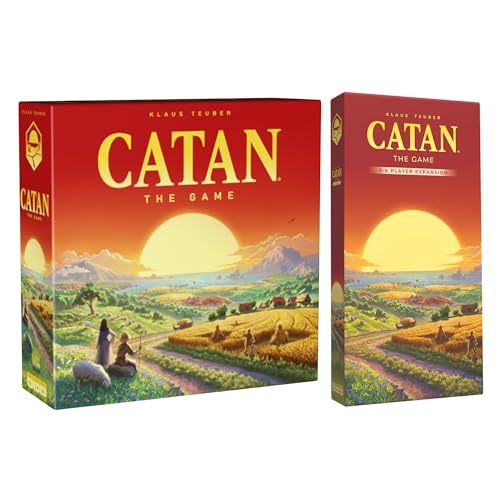
Best Classic: Catan
Catan has players build settlements, collect resources and trade with each other. Negotiation is central, which makes it a social game, and it remains one of the most widely recognized hobby board games.
Dice luck can swing outcomes, a player can be stuck without trades, and a full game may run beyond two hours.
Best for Solo and Two Players: Cascadia
Cascadia has you build a habitat by placing hexagonal tiles and wildlife tokens, scoring for animal patterns. It plays quickly, has a gentle puzzle feel and includes solo rules. It was well received by the board game community, winning major awards in its release year according to the publisher.
The interaction between players is light, so it is more of a parallel puzzle than a head-to-head contest.
Match the Game to the Group
| Situation | Recommended game | Why |
|---|---|---|
| Family with kids 8+ | Ticket to Ride | Simple turns, visible goals |
| Couple, two players | Azul or Cascadia | Tight at two players, quick setup |
| Party of 6-10 | Codenames | Team play, little downtime |
| Group that dislikes conflict | Pandemic | Cooperative, win together |
| Solo play | Wingspan or Cascadia | Built-in solo modes |
| Strategy-loving friends | Catan | Trading and negotiation |
How to Choose a Board Game
Player count
Check the best player count, not only the maximum. Many games list a range but play best at a specific number, such as three to four for Catan.
Play time and teaching time
Choose games that fit your evening. A 30-minute game with a ten-minute rules explanation is ideal for new groups; save heavier games for committed players.
Complexity
Light games have rules you can explain in five minutes. Medium games have several systems to track. Heavy games can take over an hour to learn.
Cooperative or competitive
Cooperative games reduce arguments and are better for mixed ages. Competitive games suit experienced players who enjoy rivalry.
Replayability and expansions
Games with variable setups or expansions stay fresh. Wingspan and Ticket to Ride have many add-ons if you want more later.
Mistakes to Avoid
Do not buy a heavy strategy game for a casual group, because long rule explanations can end the night early. Avoid guessing from the box art; check the number of players, age rating and play time. And do not forget storage: many games come in large boxes, so consider space on your shelf.
How to Teach a Board Game Quickly
Start with the goal in one sentence, then explain a single turn before covering exceptions. In Ticket to Ride, for example, you can say that you want to connect cities with train routes, and on your turn you draw cards, claim a route or take tickets. Play the first round openly and allow take-backs. Most groups pick up a light game within one round.
Looking After Your Games
Store boxes flat rather than stacked high, because heavy stacks bend lids and warp boards. Use small zip bags for components such as cards and tokens, and consider sleeves for frequently shuffled card games like Pandemic. Keep boxes away from humidity, which can curl cards.
Next Games to Try
| If you enjoy | Try next | Why |
|---|---|---|
| Ticket to Ride | Wingspan or Cascadia | Same easy-to-learn pace with more decisions |
| Azul | Cascadia | Another tile-and-pattern puzzle |
| Catan | Wingspan | Engine building with less luck |
| Pandemic | Other cooperative games | Same teamwork theme with different challenges |
Frequently Asked Questions
What is the best board game for beginners?
Ticket to Ride and Azul are among the most approachable thanks to short rules and simple turns. They introduce core ideas like set collection and drafting.
What are the best board games for two players?
Azul, Cascadia and Pandemic work well with two. They play quickly and do not need big groups.
What is the best cooperative board game?
Pandemic is a classic cooperative game, where players share a goal and face the board together. It suits groups who want teamwork rather than rivalry.
Are board games good for kids?
Yes. They build counting, planning and social skills. Check the age rating, and pick games with short play times for younger children.
How long does it take to learn a board game?
Light games take about five to ten minutes to explain, while medium-weight games may take twenty. Watching a short rules video before the first play helps.