
Key takeaways
- Best for: daily drinking, gym bags, and people who prefer a slightly rounded taste
- Typical price: about $1.00–$2.50 per liter when bought in multipacks or larger bottles
- Main drawback: usually costs more than conventional purified water and creates single-use plastic waste
For most shoppers, the best purified bottled water brands ranked are: 1) Essentia, 2) Smartwater, 3) Aquafina, 4) Core Hydration, 5) LIFEWTR, and 6) Dasani—although the right pick changes considerably with mineral taste, bottle size, price, and packaging priorities.
This ranking focuses on water sold as purified, typically produced through reverse osmosis, distillation, or equivalent purification followed by mineral or electrolyte adjustment. It does not treat “best” as a medical claim. Bottled water is regulated as a beverage, and label details, formulas, package availability, and prices can vary by country and bottling facility.
Our top picks

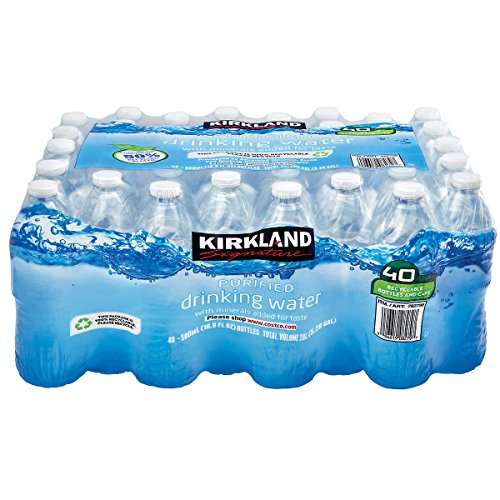


As an Amazon Associate we earn from qualifying purchases at no extra cost to you. Ratings are shown as listed on Amazon.
Best purified bottled water brands ranked
1. Essentia: best for a smooth, electrolyte-enhanced taste
Essentia is a strong overall choice for people who dislike the flat taste that can result from highly purified water. Its process includes purification and reverse osmosis, followed by the addition of electrolytes. The brand markets an alkaline pH of 9.5 or higher, but pH should be viewed primarily as a taste and formulation characteristic rather than a health benefit.
The flavor is relatively clean with a mild mineral impression. Common package sizes include 20-ounce bottles, 700-milliliter bottles, 1-liter bottles, and larger multi-liter formats, depending on the market. Bottles are generally made from PET plastic, with some recycled-plastic content in selected packaging.
- Best for: daily drinking, gym bags, and people who prefer a slightly rounded taste
- Typical price: about $1.00–$2.50 per liter when bought in multipacks or larger bottles
- Main drawback: usually costs more than conventional purified water and creates single-use plastic waste
2. Smartwater: best neutral-tasting premium purified water
Smartwater is vapor-distilled and then enhanced with electrolytes for taste. Distillation produces a notably light, neutral profile, while the added minerals keep it from tasting completely empty. It is often the easiest premium brand to find in several convenient sizes, including roughly 600 milliliters, 700 milliliters, 1 liter, and larger bottles.
Its broad size range makes it practical for a desk, car, or refrigerator. The trade-off is price: Smartwater often costs substantially more per liter than supermarket-label purified water. Packaging is primarily plastic, although recycled-content and package-weight changes may differ by format and region.
- Best for: shoppers who want a consistently light taste and several size options
- Typical price: about $1.25–$3.00 per liter
- Main drawback: premium pricing without a major functional advantage for ordinary hydration
3. Aquafina: best budget purified water
Aquafina is one of the strongest value choices in this category. It uses a purification process that includes reverse osmosis, filtration, and other treatment stages before bottling. The result is a very low-mineral, restrained taste that some people find crisp and others find slightly thin.
Standard single-serve bottles are commonly around 500 milliliters, while larger bottles and multipacks are widely available. Aquafina is frequently among the least expensive branded options, particularly in 12- or 24-bottle cases. Its environmental profile is typical of disposable PET packaging: light to transport, recyclable in many municipal systems, but not necessarily recycled after use.
- Best for: offices, events, travel, and keeping the price per liter low
- Typical price: about $0.40–$1.30 per liter in multipacks
- Main drawback: limited mineral character and a high volume of small single-use bottles
4. Core Hydration: best large bottle for a softer mineral profile
Core Hydration uses reverse osmosis and adds minerals and electrolytes. Its bottle is designed with a wide mouth and a broad, grip-friendly shape. The 30.4-ounce bottle, approximately 900 milliliters, is its signature format, with smaller and larger options also available in some markets.
The taste is softer and more rounded than very low-mineral purified water. That can make it appealing for drinking with meals or throughout a workday. The unusual shape can be less convenient in narrow vehicle cup holders, and the larger bottle uses more plastic than a compact 500-milliliter format even when the price per liter is competitive.
- Best for: carrying one larger bottle instead of several small ones
- Typical price: about $1.00–$2.50 per liter
- Main drawback: bulky shape and limited compatibility with some cup holders
5. LIFEWTR: best for design-conscious buyers
LIFEWTR is purified water with added electrolytes for taste. Its main distinction is packaging: bottle labels have featured rotating artwork and are positioned as a more design-oriented alternative to basic purified water.
The water profile is generally clean and lightly mineralized rather than strongly flavored. Bottles are commonly sold in approximately 700-milliliter and 1-liter formats, although exact availability changes. LIFEWTR makes sense when label design, portability, or a polished presentation matters, but its purification method does not provide a clear everyday advantage over less expensive purified brands.
- Best for: meetings, travel, and shoppers who value presentation
- Typical price: about $1.00–$2.75 per liter
- Main drawback: paying a premium for packaging and branding
6. Dasani: best widely available everyday option
Dasani is purified water with added minerals, including magnesium sulfate, potassium chloride, and salt, to shape the flavor. The mineral blend gives it a more noticeable taste than some low-mineral competitors. Some drinkers like that character; others describe it as slightly salty or dry.
It is widely sold in small bottles and larger multipacks, making it convenient for events and workplaces. As with other mainstream brands, the main environmental limitation is disposable packaging rather than the purification method itself.
- Best for: convenience, events, and people who prefer a perceptible mineral note
- Typical price: about $0.45–$1.40 per liter in multipacks
- Main drawback: the mineral taste is polarizing
Head-to-head comparison
| Brand | Primary treatment or formulation | Common size | Taste profile | Typical price per liter | Packaging and disclosure view |
|---|---|---|---|---|---|
| Essentia | Purification and reverse osmosis; added electrolytes | 600–1,000 ml | Smooth, lightly mineralized | $1.00–$2.50 | Clear process marketing; PET bottles and selected recycled content |
| Smartwater | Vapor distillation; added electrolytes | 600–1,000 ml | Very light and neutral | $1.25–$3.00 | Process is clearly described; plastic packaging varies by format |
| Aquafina | Reverse osmosis and multi-stage filtration | 500 ml–1.5 L | Low-mineral and crisp | $0.40–$1.30 | Good process disclosure; high availability in small PET bottles |
| Core Hydration | Reverse osmosis; added minerals and electrolytes | 900 ml | Soft and rounded | $1.00–$2.50 | Distinctive large bottle; some formats include recycled plastic |
| LIFEWTR | Purified water; added electrolytes | 700–1,000 ml | Clean and mildly mineralized | $1.00–$2.75 | Art-focused labels; standard disposable PET format |
| Dasani | Purified water; added mineral blend | 500 ml–1.5 L | More noticeable mineral taste | $0.45–$1.40 | Widely available; small-bottle waste can add up |
Choose by situation, not just brand
- Lowest cost: Choose Aquafina or a reputable supermarket-label purified water. Compare the shelf price per liter, not the price of one bottle.
- Most neutral taste: Choose Smartwater, particularly if you prefer vapor-distilled water with a small amount of added electrolyte.
- More mineral character: Choose Essentia, Core Hydration, or Dasani. Taste the smallest available bottle before buying a case.
- One bottle for a long workday: Choose Core Hydration’s approximately 900-milliliter format or a 1-liter bottle. A larger bottle can reduce the number of caps and labels discarded.
- Events and shared refrigerators: Choose inexpensive 500-milliliter multipacks, but consider reusable dispensers or refill stations when sanitation and logistics allow.
- Lowest packaging impact: Choose a refillable bottle filled with safe tap or filtered water when practical. If buying bottled water, select larger containers and verify that your local recycling program accepts the bottle type.
How to compare quality disclosures
Do not rely only on a front-label phrase such as “pure,” “alkaline,” or “electrolyte.” Look for a company water-quality report, source statement, treatment description, and bottling-facility information. A useful disclosure identifies the regulatory standards used, testing categories, and reporting period. Independent certification from organizations such as NSF or the International Bottled Water Association can add context, but it is not the same as a guarantee that every person will prefer the taste.
Also check the actual label on the package. The same brand may use different municipal or spring sources in different regions, and formulas can change. If a product lists added minerals, expect a different taste from water treated only for purification.
The cost calculation that changes the ranking
Suppose a 24-pack contains 500-milliliter bottles and costs $7.20. The case contains 12 liters, so the price is $7.20 ÷ 12 = $0.60 per liter. A single 700-milliliter premium bottle priced at $2.00 costs about $2.86 per liter. Buying the premium bottle occasionally may be reasonable for taste or convenience, but using it every day costs nearly five times as much per liter.
For frequent use, compare the larger format and the number of bottles needed. Two 500-milliliter bottles provide the same nominal volume as one 1-liter bottle, but they require two caps, two labels, and two containers. Larger bottles are not automatically more sustainable, however: they may be harder to carry, may sit open longer, and should be stored and handled according to the label.
Bottom line
Essentia is the best all-around premium pick for a smooth electrolyte-enhanced taste, Smartwater leads for a neutral vapor-distilled profile, and Aquafina is the value winner. Core Hydration is convenient when a large bottle suits your routine, LIFEWTR is mainly a packaging-and-presentation choice, and Dasani is a practical low-cost option for people who like a stronger mineral note. The most responsible purchase is usually the one that matches your actual drinking volume, uses the fewest containers needed, and is backed by a quality disclosure you can inspect.


