Key takeaways
- Electrical testing sits at an odd intersection of hobby and hazard. A battery monitor on a camper van.
Electrical testing sits at an odd intersection of hobby and hazard. A battery monitor on a camper van, a plug-in voltage display on a workbench outlet, and an antenna analyzer for a ham radio project are all measuring tools, but they sit in very different worlds, from low-voltage DC to radio frequencies to household AC. The first step in buying anything here is to decide which world your project lives in, because a meter that is perfect for one can be useless, or unsuitable, for another.
This guide is for hobbyists, van and solar builders, and bench tinkerers shopping in 2026. It looks at five listings: a DC amp meter with a shunt, a pair of plug-in AC voltage displays, a NanoVNA vector network analyzer, a heavy copper cable for high-current battery wiring, and a pack of 18650 battery holders for building small test fixtures. The last two are supporting parts rather than instruments, so they are grouped with the tools they help. None of these listings is described here as safety certified, and any work on household mains wiring belongs to a qualified electrician. Details such as accuracy, wiring diagrams, and ratings are flagged for confirmation on each listing.
Quick Picks
Our top picks



As an Amazon Associate we earn from qualifying purchases at no extra cost to you.
| Product | Best for | Key spec from the title |
|---|---|---|
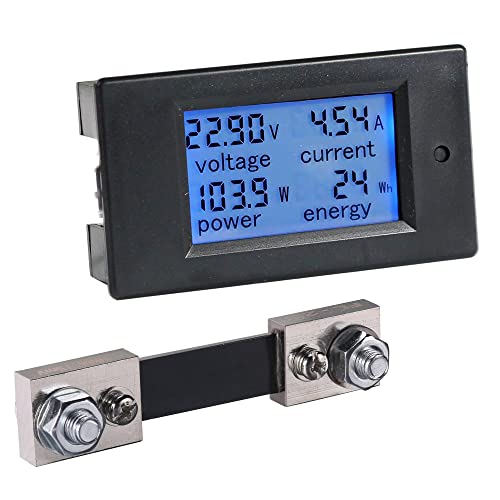
| bayite DC Amp Meter Voltmeter Battery Monitor | Solar, RV, and battery projects | DC 8-100V, 0-100A, 100A shunt, LCD energy monitor |
| DROK Plug-in Voltage Testers, 2 Pack | Reading outlet voltage at a glance | 2 pcs, AC 80-300V, LCD display, flat plug |
| AURSINC NanoVNA-H Vector Network Analyzer | Antenna and RF hobby work | 9KHz to 1.5GHz, SWR, S parameters, phase, HW V3.7 |
| EWCS 2 Gauge Copper Welding Cable | High-current battery interconnects | 2 gauge, 100% copper, 600V, 10 FT, red |
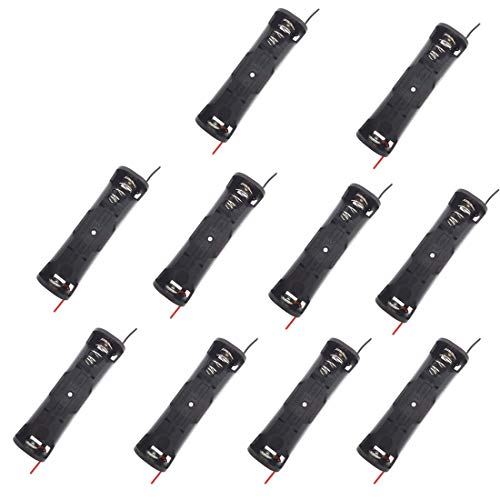
| HiLetgo 18650 Battery Holders, 10 Pack | Building small battery test rigs | 10 pcs, holder with connect lead, for 18650 cells |
How to Choose
Start with the type and range of the signal
Measuring tools are defined by what they read. A DC meter that covers 8 to 100 volts and up to 100 amps fits batteries and solar charge circuits, but it is not meant for outlet wiring. A plug-in AC meter reading 80 to 300 volts is aimed at household outlets, and a vector network analyzer lives in the radio-frequency world, from 9 kHz to 1.5 GHz in the listed case. Before buying, write down the highest voltage and current in your project and make sure the tool’s stated range comfortably exceeds it.
Know what a tool cannot tell you
A plug-in voltage display shows that a receptacle has voltage; it does not tell you whether the wiring behind the wall is correct, grounded, or safe. A battery monitor gives live readouts but does not replace proper fuses, wire sizing, and a sound installation. A NanoVNA measures antenna characteristics but needs correct calibration and cabling. Treat each instrument as one layer of information, and do not use any of these listings as a substitute for a licensed electrician on mains wiring or for manufacturer guidance on batteries.
Check connectors, shunts, and calibration
For a DC meter with a shunt, the shunt carries the current, so its rating and wiring matter as much as the display. For an analyzer, look at the connector types, whether calibration standards are included, and the software or display options listed. For battery holders, confirm cell polarity markings and lead length. For high-current cable, check gauge, conductor material, and lug sizes in the listing so crimps and terminals match. Budget parts often differ in the quality of the screw terminals and insulation, so inspect them on arrival. Mid-range instruments usually add better displays, clearer manuals, and more stable readings, while premium ones add logging, software, or accessories. For a first project, the budget tier is a reasonable place to start as long as the range and the connectors match the job.
Plan for safety and storage
Hobby electronics and batteries call for common-sense habits: disconnect power before rewiring, use fuses sized for the wire, keep lithium cells away from metal clutter, and never leave charging cells unattended. Follow manufacturer instructions for any battery and charger. Store test gear in a dry bin and keep a small kit of heat shrink, ring terminals, and a labeled marker nearby so connections stay documented and tidy. A notebook or phone photo of each wiring change is cheap insurance when a reading looks odd a month later, and it helps anyone else who works on the system.
The 5 Best Options
bayite DC 8-100V 0-100A Amp Meter Voltmeter with 100A Shunt
This combination meter shows voltage and current on an LCD and is used with an external 100 amp shunt, according to the title. It is pitched at solar, RV, and DIY battery projects, where seeing the state of a system in real time makes troubleshooting easier.
- Strength: a 100A shunt is included, so the set is ready for a basic installation.
- Strength: an LCD with real-time energy monitoring suits permanent dashboards in vans and sheds.
- Trade-off: wiring diagrams, accuracy, and mounting details are not in the title, so read the listing before buying.
Skip it if your system runs above 100 volts or 100 amps, or if you are not comfortable wiring a shunt correctly. Readings from any inexpensive meter are worth cross-checking against a handheld multimeter before you rely on them for decisions.
DROK Electric Voltage Testers, 2 Pack
Two plug-in digital voltage displays with a flat plug, reading AC 80 to 300 volts on an LCD. They are for checking outlet voltage in a workshop, garage, or generator setup. A pair is convenient for comparing two outlets or leaving one in a spot you check often.
- Strength: plug-in design shows voltage without opening any panel or handling probes.
- Strength: two units let you compare circuits or keep one at the bench and one in the garage.
- Trade-off: the title does not state accuracy or plug region, so check the listing for your outlet type.
Skip it if you need to diagnose wiring faults; these show voltage only. Call a qualified electrician for any mains concerns.
AURSINC NanoVNA-H Vector Network Analyzer
A compact vector network analyzer covering 9 kHz to 1.5 GHz, listed for HF, VHF, and UHF antenna analysis, S parameters, SWR, and phase. It is a favorite among amateur radio fans for tuning antennas and checking cables. The title mentions hardware version V3.7 as the latest.
- Strength: wide frequency span covers a broad range of amateur and hobby radio bands.
- Strength: a compact format is practical for bench work and for carrying to an antenna site.
- Trade-off: it needs calibration and some learning, and the listing should be read for included accessories and connector types.
Skip it if you are not working with radio frequencies; it does not read household voltage or battery current. Beginners should expect a learning curve and plan time to read the user guides and community tutorials that accompany this type of tool.
EWCS 2 Gauge Copper Welding Cable, 10 FT Red
A ten-foot length of red 2 gauge welding cable, labeled as 100 percent copper and rated at 600V in the title. In a DIY power project, heavy cable connects batteries, inverters, and shunts. It supports the meter above by carrying current from a battery bank through the shunt.
- Strength: 2 gauge copper is built for high-current runs where thinner wire would struggle.
- Strength: the 10 foot length works for short battery interconnects and bus runs.
- Trade-off: the title does not give a current rating or insulation details, and the cable needs properly sized lugs and fuses.
Skip it if your project is low current, where a lighter cable is easier to route, and have a professional review any high-current installation. Cut and strip heavy cable with tools meant for its gauge, and keep exposed lugs covered so they cannot touch metal.
HiLetgo 18650 Battery Holders, 10 Pack with Leads
Ten holders for 18650 cells with lead wires attached, useful for building small test rigs, discharge fixtures, and battery packs for hobby projects. A pack of ten means a bench can hold several fixtures at once.
- Strength: attached leads speed up wiring into a breadboard or a small project.
- Strength: ten holders offer room for multi-cell experiments.
- Trade-off: the title gives no lead gauge or contact material, so these suit light loads, not high current.
Skip it if you need battery protection circuits or high-current packs, or if you want a finished, enclosed battery pack rather than a bare holder; use cells and chargers according to their manufacturers’ instructions and never leave charging cells unattended.
Which One Fits Your Situation
You are wiring a camper van battery bank
The bayite DC meter with its 100A shunt gives you a live view of voltage and current, and the EWCS 2 gauge cable can link batteries and the shunt. Add proper fusing and have the system reviewed if you are unsure. Label each cable at both ends as you go, so the layout is easy to follow when something needs servicing.
You want a quick outlet voltage check in the workshop
The DROK two-pack of plug-in testers shows voltage on two outlets at once. Treat the reading as informational and call an electrician for wiring concerns. A reading that looks unusual, such as a voltage that sags when a load starts, is a reason to stop and get the circuit inspected.
You are building a ham radio antenna
The AURSINC NanoVNA-H is the instrument for tuning and cable checks. Read the listing to see which calibration pieces and connectors are included, and plan a short practice session on a known antenna before trusting measurements on a new one.
You build small battery projects on a bench
The HiLetgo 18650 holders pair with the bayite meter for low-current experiments. Keep cells within the manufacturer’s limits and watch for heat. Start with one cell on a non-flammable surface before building a multi-cell rig, and keep a record of which cell sits in which holder.
Common Mistakes
- Using a plug-in voltage display as proof that wiring is correct or safe.
- Choosing a meter whose range barely covers the project instead of leaving margin.
- Skipping fuses on battery wiring because the meter shows normal numbers.
- Skipping calibration on a vector network analyzer and trusting raw readings.
- Putting loose lithium cells in a drawer with metal items, or leaving charging cells unattended.
Related guides
- Wireless Chargers For Iphone And Airpods
- Noise Cancelling Earbuds Under $100
- Black Friday And Cyber Monday Deals
Frequently Asked Questions
Can these tools be used on household wiring?
The plug-in voltage display reads outlet voltage, but none of these listings makes safety-certification claims. Mains wiring work should be left to a qualified electrician.
Why does a DC meter need a shunt?
A shunt lets the meter measure large currents by reading a small voltage drop across a known resistance. Follow the wiring instructions on the listing and match the shunt rating to the load.
What is a NanoVNA used for?
It measures how antennas and cables behave across frequencies, including SWR and phase. It is a radio-frequency tool and not a general electrical meter.
Are 18650 holders safe for any battery project?
They are for light hobby use. Follow the cell manufacturer’s limits, avoid high currents through thin leads, and never leave charging cells unattended.
More from Amazon
Programs that pair well with the guide above. Offers and eligibility are set by Amazon and may change.
Free shipping on eligible items, Prime Video and more. Eligible new members can start with a free trial.
Start a Prime free trialAd-free music streaming. Eligible new subscribers can start with a free trial.
Try Music Unlimited freeA Prime membership for ages 18-24 with a trial period. Eligibility is set by Amazon.
See Prime for Young AdultsAudiobooks and podcasts to listen to on the go. Eligible new members can start with a free trial.
Try Audible freeAs an Amazon Associate we earn from qualifying purchases.