Key takeaways
- Capping a bookshelf speaker budget at under 300 dollars splits the market into two very different paths.
Capping a bookshelf speaker budget at under 300 dollars splits the market into two very different paths. One path is a passive pair that needs a separate amplifier or receiver, which rewards buyers who already own one. The other is a powered pair with the amplifier built into a cabinet, ready to plug into a TV, turntable or computer with only a power cord and a signal cable. Picking the wrong path is the most common reason a good speaker ends up silent in a closet.
This guide is for anyone starting a first stereo, building a desktop listening setup or upgrading TV audio in 2026 without leaving the cap. Eight pairs are compared using only the facts shown in their listing titles. Because listings change over time, the budget cap should be confirmed on the listing at purchase time, and details such as speaker weight and cabinet dimensions should be checked there as well.
Quick Picks
Our top picks





As an Amazon Associate we earn from qualifying purchases at no extra cost to you.
| Product | Best for | Key spec from the title |
|---|---|---|
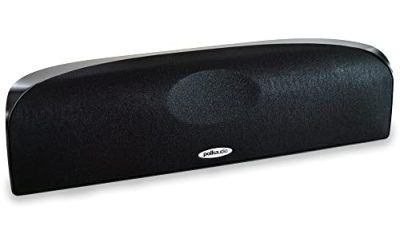
| Polk Audio T15 | Home theater with an existing receiver | 100 Watt passive pair, Dolby and DTS support |
| Saiyin Powered Bluetooth | TV, turntable or PC | 40W x 2, 4 inch woofer, optical/RCA/aux, sub out |
| ULTIMEA BS-3 | TV setups with HDMI ARC | 3-way, 5.25 inch woofer, app EQ, HDMI ARC |
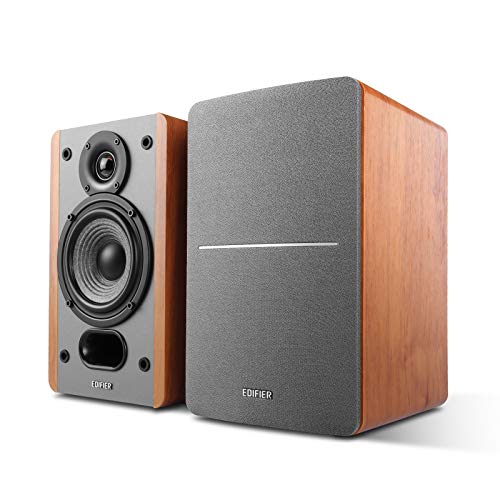
| Edifier P12 | Wall mounting with an amp | Passive 2-way, built-in wall-mount bracket |
| NSY Audio Desktop Pair | Computer and monitor setups | Bluetooth 5.3, USB-C, AUX, RCA |
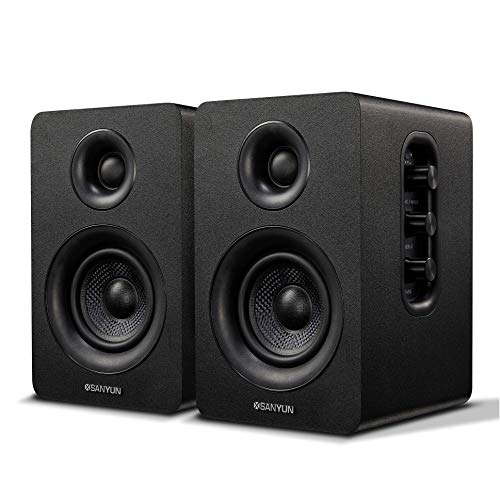
| Sanyun SW208 | Compact desks | 3 inch active, Bluetooth 5.0, 24bit DAC, 60W |
| Electrohome Huntley | Retro-styled streaming rooms | Built-in amplifier, 3 inch drivers, wireless streaming |
| Klipsch R-51M | Hi-fi stereo with a receiver | Passive bookshelf pair |
How to Choose
Passive versus powered
Passive speakers such as the Polk, Edifier and Klipsch models need an external amplifier or receiver, and the Edifier title says so directly. Powered speakers carry the amplifier inside, which is simpler and saves the cost of a receiver. If a receiver is already in the house, a passive pair can offer better growth, since the amplifier can be upgraded later. If the plan is to connect to a TV or computer, a powered pair is the safer choice at this budget.
Inputs that match the source
List the sources first: a TV, a turntable, a laptop, a phone. HDMI ARC, optical and RCA each suit different gear, and a turntable may need a phono stage if the speakers do not include one. A sub out is worth having if a subwoofer might join later. Do not pay for Bluetooth that will never be used, but do not skip it if the speakers will mostly stream from a phone.
Driver size and bass expectations
Drivers at 3 inches can sound pleasant on a desk, but they cannot move much air in a large room. A 4 to 5.25 inch woofer fills more space, and a 3-way layout such as the ULTIMEA suggests a dedicated driver for mid-range detail. Watt numbers are less useful than driver size and cabinet volume for judging bass, so read power ratings with caution and consider adding a sub when low-end weight matters.
Where budget models cut corners
At this budget level, cuts show up as thin cabinets that add boxy resonance, plastic grilles, wall-wart power supplies and limited remote or app control. Look for wood-effect cabinets, gold-plated or sturdy terminals on passive pairs and a stated DAC resolution on active ones. Ignore marketing terms such as surround boosters, since a good two-channel pair does not need them.
Room placement also matters as much as the specifications. Keep speakers away from corners, aim the tweeters at ear level and give rear-ported cabinets a few inches from the wall. A modest pair in a good position often beats an expensive pair squeezed onto a crowded shelf, so budget a little for stands or isolation pads if the shelf is not ideal.
Budget math deserves a second look for passive buyers. A pair that fits under the cap on its own can drift over it once an amplifier, speaker wire and stands are added, whereas a powered pair usually arrives complete. Anyone who already owns a stereo receiver from an older system can skip that extra spend entirely, which is why passive models make the most sense for people with existing hi-fi gear. Everyone else should add up the full chain before deciding.
Room size gives another useful filter. In a bedroom or dorm, a 3 inch powered pair sits close to the listener and fills the space comfortably. In a living room of average size, a 4 to 5.25 inch woofer or a 3-way design has an easier time. For an open-plan space, even the best pair at this level benefits from a subwoofer, so choose a model with a sub out or plan to buy a receiver that offers one.
Finally, think about sources that may appear later. A buyer who streams from a phone today may add a turntable or a game console next year, and extra inputs avoid a second purchase. Reading the connection list on the listing is a few minutes of work that avoids a lot of regret.
The 8 Best Options
Polk Audio T15
The T15 is a 100 Watt home theater bookshelf pair that mentions deep bass response, a compact size, hi-res audio and Dolby and DTS support.
- Strength: compact cabinets suit a bookshelf or small surround position.
- Strength: it is a passive design, so a good receiver can raise its performance later.
- Trade-off: it needs a separate amplifier or receiver.
Skip it if no receiver is available and the plan is to plug straight into a TV.
Saiyin Powered Bluetooth Speakers
Saiyin offers 40W per channel, a 4 inch woofer and Bluetooth, optical, auxiliary and RCA inputs, plus a sub out. The title lists TV, turntable, record player and PC use.
- Strength: many inputs cover most living room sources.
- Strength: the sub out leaves room to add a subwoofer.
- Trade-off: the 4 inch woofer limits bass in a large room.
Skip it if HDMI ARC is required, since the visible title does not list it.
ULTIMEA BS-3
The BS-3 is a large 3-way powered pair with a 5.25 inch woofer, HDMI ARC, sub out, optical, USB and RCA inputs and app-based EQ.
- Strength: HDMI ARC allows one cable to the TV and often lets the TV remote control volume.
- Strength: app EQ allows tone adjustments for different rooms.
- Trade-off: the larger cabinets need more shelf space than a 3 inch pair.
Skip it if the plan is a tiny desk setup.
Edifier P12
The P12 is a passive 2-way pair with a built-in wall-mount bracket, finished in a wood color. The title states plainly that an amplifier or receiver is needed.
- Strength: the integrated bracket keeps shelving clear in tight rooms.
- Strength: a passive pair suits an existing hi-fi chain.
- Trade-off: no amplification, Bluetooth or inputs are built in.
Skip it if the buyer wants a plug-and-play setup.
NSY Audio Desktop Pair
This active pair is built around computers and monitors. The title lists Bluetooth 5.3 and USB-C, AUX and RCA inputs.
- Strength: modern Bluetooth and USB-C help with phones and laptops.
- Strength: RCA input extends to other sources.
- Trade-off: driver size and power are not shown in the visible title, so check the listing.
Skip it if the room is large or HDMI ARC is a requirement.
Sanyun SW208
The SW208 is a 3 inch active pair with Bluetooth 5.0, a built-in 24bit DAC, a 60W rating, a carbon fiber speaker design and USB and 3.5mm AUX inputs.
- Strength: the stated DAC helps with USB audio from a computer.
- Strength: a small footprint fits desks and shelves.
- Trade-off: 3 inch drivers do not fill big rooms.
Skip it if optical or RCA connections are needed.
Electrohome Huntley
Electrohome sells the Huntley as powered bookshelf speakers with a built-in amplifier and 3 inch drivers for turntables, TVs, PCs and wireless music streaming.
- Strength: the built-in amplifier removes the need for a receiver.
- Strength: the styling is distinct from the typical black box.
- Trade-off: 3 inch drivers suit small rooms best.
Skip it if bass weight is the top priority.
Klipsch R-51M
The R-51M is a passive bookshelf pair from a long-established speaker brand. The visible title lists only the model, pair and black finish, so driver details should be checked on the listing.
- Strength: a well-known hi-fi line suits buyers building a proper stereo.
- Strength: sold as a pair for straightforward setup.
- Trade-off: it needs an amplifier or receiver, and the cap must be confirmed on the listing.
Skip it if a receiver is not in the plan.
Which One Fits Your Situation
Replacing weak TV speakers
The ULTIMEA BS-3 fits best because HDMI ARC reduces cable clutter, and the sub out leaves room for later upgrades.
Starting a vinyl corner
The Saiyin or the Electrohome Huntley both name turntable use in their titles. Check the listing for phono preamp details before connecting a record player.
Building around an existing receiver
The Polk T15, Edifier P12 and Klipsch R-51M are the passive candidates. The Edifier suits wall mounting, the Polk suits home theater and the Klipsch suits a stereo focus.
Desk-bound computer audio
The NSY Audio pair or the Sanyun SW208 suit a monitor-side setup with USB-C or USB inputs and Bluetooth for phones.
For buyers still undecided, a simple rule works: pick the passive pair only when a receiver already sits in the room, and pick the powered pair in every other case. After that, match the input list to the sources and let room size set the driver size. Following those three steps usually narrows eight candidates to two in a few minutes, and the remaining choice often comes down to appearance and cabinet footprint.
Common Mistakes
- Buying passive speakers without an amplifier in the plan.
- Ignoring the input list and discovering the TV cannot connect.
- Judging bass by watt ratings instead of driver size and room size.
- Placing speakers on the floor or inside a closed cabinet, which muddies sound.
- Forgetting that the under 300 dollars cap includes cables, stands or an amplifier when needed.
Related guides
- Electrical Testing Tools For Diy Projects
- Wireless Chargers For Iphone And Airpods
- Black Friday And Cyber Monday Deals
Frequently Asked Questions
Do bookshelf speakers need a subwoofer?
Not always. Small rooms and music-focused listening are often fine without one, but action movies and electronic music benefit from a sub. A sub out on the speaker makes adding one easy.
Can passive speakers be used with a TV directly?
Not without an amplifier. A passive pair needs a receiver or amplifier between the TV and speakers, as the Edifier title states.
What does HDMI ARC do?
HDMI ARC sends TV audio to a speaker or receiver over one HDMI cable. It also tends to allow volume control with the TV remote, though compatibility should be checked.
Are Bluetooth speakers good enough for music?
Bluetooth is convenient and sounds fine for casual listening. Wired inputs such as optical, RCA or USB can give a more stable connection for critical listening.
More from Amazon
Programs that pair well with the guide above. Offers and eligibility are set by Amazon and may change.
Free shipping on eligible items, Prime Video and more. Eligible new members can start with a free trial.
Start a Prime free trialAd-free music streaming. Eligible new subscribers can start with a free trial.
Try Music Unlimited freeA Prime membership for ages 18-24 with a trial period. Eligibility is set by Amazon.
See Prime for Young AdultsAudiobooks and podcasts to listen to on the go. Eligible new members can start with a free trial.
Try Audible freeAs an Amazon Associate we earn from qualifying purchases.