Key takeaways
- Keyboard: Confirm that the layout includes the keys you use daily. A compact keyboard can omit Home, End, or dedicated navigation keys.
- Screen: Prefer 16:10, matte, and at least 1,920 by 1,200 for general business work. Check brightness if you work near windows.
- Webcam: Specify Full HD or better, then check whether the camera has a physical shutter. A high-resolution camera cannot fix poor room lighting.
- Battery: Treat manufacturer claims as laboratory ceilings. For a full day away from a charger, choose a moderate-resolution screen and a larger battery.
- Security: Look for TPM 2.0, biometric login, Secure Boot, camera privacy controls, and business BIOS or device-management support.
- Warranty: A longer on-site or next-business-day service plan may be more valuable than a faster processor for a laptop that earns money every day.
The best business laptops for 2026 are the Lenovo ThinkPad T14 Gen 6 for most office professionals, the Apple MacBook Air with M4 for frequent travelers who prefer macOS, the Dell Latitude 7450 for manageability, and the HP EliteBook 840 G11 for a comfortable Windows work setup.
Choosing among them is less about maximum processor speed than about sustained typing comfort, a readable screen, reliable battery life during real office workloads, useful ports, repair and warranty options, and security controls that fit your organization.
Our top picks

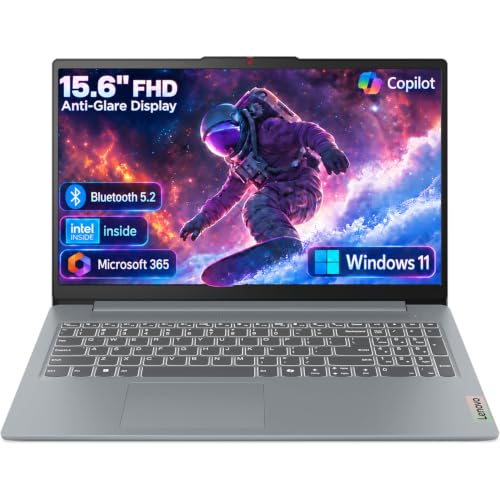


As an Amazon Associate we earn from qualifying purchases at no extra cost to you. Ratings are shown as listed on Amazon.
Best business laptops at a glance
| Laptop | Best for | Typical weight | Screen options | Ports and wireless | Practical work battery |
|---|---|---|---|---|---|
| Lenovo ThinkPad T14 Gen 6 | Best overall Windows business laptop | About 1.3–1.4 kg | 14-inch, 16:10; Full HD+ to 2.8K | USB-C, USB-A, HDMI, audio; Wi-Fi 6E or newer depending on configuration | About 8–13 hours |
| Apple MacBook Air with M4 | Frequent travel and quiet operation | About 1.2–1.5 kg | 13.6-inch or 15.3-inch, 16:10 | Two Thunderbolt/USB4 ports, MagSafe, audio; Wi-Fi 6E | About 10–15 hours |
| Dell Latitude 7450 | Corporate deployment and IT control | About 1.3–1.5 kg | 14-inch, 16:10; Full HD+ configurations are common | Thunderbolt 4, USB-A, HDMI, audio; Wi-Fi 6E | About 8–12 hours |
| HP EliteBook 840 G11 | Typing comfort and office conferencing | About 1.4 kg | 14-inch, 16:10; Full HD+ or higher options | Two USB-C, two USB-A, HDMI, audio; Wi-Fi 6E | About 8–12 hours |
| Lenovo ThinkPad X1 Carbon Gen 13 | Premium portability | About 1.0–1.1 kg | 14-inch, 16:10; Full HD+ to 2.8K | Two Thunderbolt 4, two USB-A, HDMI, audio | About 8–12 hours |
Battery figures are realistic planning ranges for mixed work such as web apps, documents, messaging, video meetings, and moderate brightness. A high-resolution OLED display, heavy spreadsheet recalculation, local virtual machines, or continuous video calls can reduce them substantially. Exact weight, battery capacity, memory, and ports vary by configuration and region.
Lenovo ThinkPad T14 Gen 6: the safest all-round choice
The ThinkPad T14 Gen 6 is the strongest default recommendation for a Windows office laptop. Its keyboard has useful key travel, dedicated navigation keys, and a familiar layout that suits people who write for hours. The 14-inch 16:10 display provides more vertical space than an older 16:9 panel, which means less scrolling in documents and spreadsheets.
Choose a matte Full HD+ panel when battery life and glare reduction matter most. A higher-resolution or OLED panel looks sharper and can improve contrast, but it usually consumes more power and may introduce reflections. For long workdays, 16 GB of RAM is a sensible minimum; 32 GB is preferable for large spreadsheets, browser-heavy research, development tools, or virtual machines.
The T14 is also practical at a desk. USB-C supports docking and charging, while USB-A, HDMI, and a headphone jack reduce the need for adapters. ThinkPad business features commonly include a physical camera shutter, fingerprint reader, optional smart-card support, TPM-based security, and enterprise firmware controls. Its replaceable or serviceable components vary by generation and configuration, so check the maintenance manual before buying in bulk.
Apple MacBook Air with M4: best for mobile professionals in macOS
The M4 MacBook Air is the most travel-friendly option here when your work software runs well on macOS. It is silent because it has no cooling fan, starts quickly, and delivers excellent battery endurance for writing, browser work, presentations, and video calls. The aluminum enclosure feels rigid, and the large trackpad is especially convenient when you work without a mouse.
The keyboard is comfortable for extended typing, although it has less key travel than a ThinkPad. Its Liquid Retina display is sharp and bright enough for typical office work, and the 15-inch model gives spreadsheets more room without the weight of a conventional large business notebook.
The main compromise is connectivity. The MacBook Air has two Thunderbolt/USB4 ports, MagSafe charging, and a headphone jack, but no built-in USB-A, HDMI, or Ethernet. A USB-C hub or dock should be included in the budget. The 12-megapixel Center Stage camera is well suited to calls, while macOS provides FileVault encryption, Touch ID, Secure Enclave-backed protections, and strong permission controls.
Dell Latitude 7450: best for managed company fleets
The Latitude 7450 makes sense when a company values standardized deployment, remote administration, and support contracts over the lowest purchase price. Its 14-inch 16:10 format is a good compromise between portability and workspace. Look for a configuration with a 1,920-by-1,200 display, a backlit keyboard, 16 GB or more of RAM, and the largest available battery if employees spend much of the day away from an outlet.
Keyboard feel is generally office-friendly, though it may not satisfy users who prefer the deeper response of a ThinkPad. Video-call quality depends heavily on the selected webcam and software package, so do not assume every Latitude configuration has the same camera. A Full HD webcam, microphone noise reduction, and a privacy shutter are worth prioritizing.
Latitude systems commonly offer business-oriented BIOS controls, TPM security, fingerprint or smart-card options on selected models, and docking support through Thunderbolt 4 or USB-C. The wide selection of USB-A, USB-C, HDMI, and audio connections is useful in meeting rooms where adapters are often misplaced.
HP EliteBook 840 G11: best for typing and conference-room work
The EliteBook 840 G11 is a polished choice for employees who spend much of the day in documents, email, and video meetings. Its 14-inch 16:10 screen offers comfortable proportions for office applications, and the keyboard is better suited to prolonged typing than many thin consumer laptops. A 1,920-by-1,200 anti-glare configuration is usually the sensible balance of legibility and battery life.
HP’s business security options can include a webcam privacy shutter, fingerprint reader, TPM 2.0, BIOS protection, and hardware-based endpoint management features. The exact package depends on the model and optional services. HP also offers camera and audio features designed for conferencing, but lighting and microphone placement still matter more than software branding in a noisy room.
Two USB-C ports, two USB-A ports, HDMI, and a headphone jack make the EliteBook easy to connect in an established office. It is not the lightest laptop in this group, but the extra connectivity can save more frustration than a small weight reduction.
Lenovo ThinkPad X1 Carbon Gen 13: best when every gram matters
The ThinkPad X1 Carbon Gen 13 is the premium travel pick. At roughly 1 kg, it is considerably easier to carry than many 14-inch business laptops, yet it retains a strong keyboard, two USB-A ports, two Thunderbolt 4 ports, HDMI, and a headphone jack. That combination is unusually useful for a thin laptop.
The trade-off is price and upgrade flexibility. Premium thin designs often have memory soldered to the motherboard, so choose 32 GB at purchase if your workload may grow. A Full HD+ display is the better travel configuration for endurance; a 2.8K OLED screen is more attractive for visual work but less efficient. Security features can include a fingerprint reader, camera shutter, TPM, and enterprise authentication options depending on configuration.
Choose by your actual working situation
| Your situation | Best fit | Why | Configuration to target |
|---|---|---|---|
| Mostly desk work, occasional travel | ThinkPad T14 Gen 6 | Strong keyboard, broad ports, serviceable business design | 16–32 GB RAM, 512 GB SSD, matte 1,920-by-1,200 display |
| Daily commuting and no Windows-only software | MacBook Air with M4 | Low weight, quiet operation, long mixed-use endurance | 16 GB RAM, 512 GB SSD, USB-C hub |
| Large company with centralized IT | Dell Latitude 7450 | Fleet management, docking, security, and support options | 16 GB RAM, Full HD+ screen, business warranty |
| Heavy typing and frequent meeting rooms | HP EliteBook 840 G11 | Comfortable keyboard and versatile physical connectivity | Backlit keyboard, Full HD webcam, 16 GB RAM |
| Air travel several times each month | ThinkPad X1 Carbon Gen 13 | Very low carry weight without sacrificing common ports | 32 GB RAM if memory is not upgradeable |
What to check before ordering
- Keyboard: Confirm that the layout includes the keys you use daily. A compact keyboard can omit Home, End, or dedicated navigation keys.
- Screen: Prefer 16:10, matte, and at least 1,920 by 1,200 for general business work. Check brightness if you work near windows.
- Webcam: Specify Full HD or better, then check whether the camera has a physical shutter. A high-resolution camera cannot fix poor room lighting.
- Battery: Treat manufacturer claims as laboratory ceilings. For a full day away from a charger, choose a moderate-resolution screen and a larger battery.
- Security: Look for TPM 2.0, biometric login, Secure Boot, camera privacy controls, and business BIOS or device-management support.
- Warranty: A longer on-site or next-business-day service plan may be more valuable than a faster processor for a laptop that earns money every day.
Durability and ownership realities
The parts most likely to wear first are the keyboard shine and key legends, trackpad surface, hinge, USB-C ports, and battery capacity. Keep food and dust away from the keyboard, clean with a dry microfiber cloth, and use compressed air sparingly rather than forcing debris deeper into the switches. Do not carry a laptop by its display or leave it charging in a hot car.
After two or three years, a battery may provide noticeably less runtime even if the laptop still works perfectly. Business models with accessible batteries, SSDs, or wireless cards can be cheaper to keep than ultra-thin designs with soldered components. Before buying, review the exact service documentation and confirm that replacement parts and authorized repair are available in your country.
For most Windows buyers, the ThinkPad T14 Gen 6 offers the best balance of comfort, ports, security, and long-term practicality. Choose the MacBook Air with M4 for light, quiet travel; the Latitude 7450 for managed fleets; the EliteBook 840 G11 for typing and meetings; and the X1 Carbon Gen 13 when minimal carry weight justifies a premium.