Key takeaways
- If a movie scene feels muddy and the actors seem to mumble, the center channel is usually the weak link.
If a movie scene feels muddy and the actors seem to mumble, the center channel is usually the weak link. It handles dialogue, and in most 5.1 and 7.1 setups it carries a large share of everything the screen produces. A center speaker that does not match the left and right fronts can sound thin, boxy or shouty, which is why picking one is less about raw power and more about matching the system and fitting the space above or below the TV.
This guide is for buyers upgrading a soundbar-only living room, adding a center to a front pair in 2026 or replacing a damaged unit in an existing surround system. Eight center channel speakers are compared with facts taken from their titles: driver layout, tweeter type, compatibility notes and size class. Dimensions, impedance and sensitivity are often missing from titles, so those should be checked on the listing, especially whether the cabinet fits the shelf.
Quick Picks
Our top picks



As an Amazon Associate we earn from qualifying purchases at no extra cost to you.
| Product | Best for | Key spec from the title |
|---|---|---|
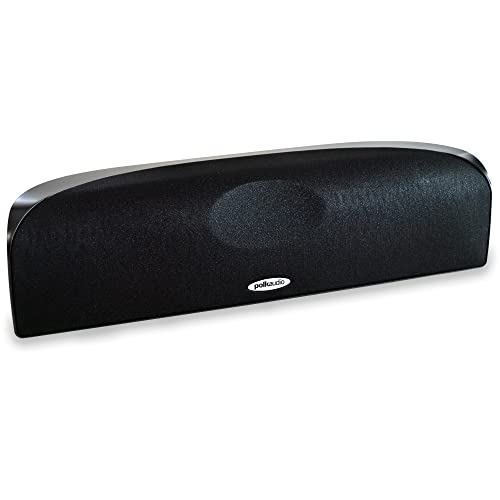
| Polk Monitor XT35 Slim | Slim cabinet under a TV | 1 inch Terylene tweeter, four 3 inch drivers, Dolby Atmos and DTS:X compatible |
| Polk Signature Elite ES35 Slim | Hi-res dialogue clarity | Hi-Res Audio Certified, 1 inch tweeter, six drivers |
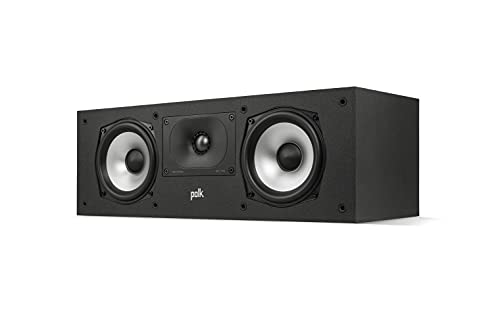
| Polk Monitor XT30 Compact | Smaller rooms | Compact, 1 inch Terylene tweeter, dual 5.2 inch drivers |
| Polk Blackstone TL1 | Small cabinets and style | Time Lens Technology, compact, hi-gloss finish |
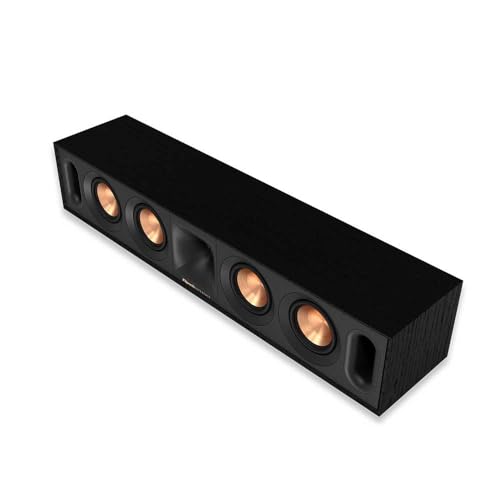
| Klipsch R-50C | Lively, dynamic dialogue | Horn-loaded design for home theater dialogue |
| Klipsch R-30C | Mid-size rooms | Horn-loaded center channel, black |
| Klipsch RP-504C II | Reference-level front stage | Reference Premiere series, ebony |
| Sony SS-CS8M2 | Three-driver layout | 2-way 3-driver, dual 3.94 inch woofers, 0.98 inch tweeter |
How to Choose
Match the brand and series of the front speakers
The most useful rule in home theater is to stay in the same family. A center from the same maker and series as the left and right speakers shares tonal character, so voices pan smoothly from side to side. Mixing a bright horn-loaded center with soft fronts creates a noticeable change as characters move across the screen. If the fronts are already owned, search for their series name before shopping.
Cabinet size, driver layout and where it sits
Slim cabinets fit under TVs and inside shallow shelves but have smaller drivers and often less low-end output. Wide, taller cabinets carry larger drivers and usually play louder and lower. Measure the shelf height, width and depth, leaving a few inches around a rear-ported design. A layout such as two woofers flanking a tweeter, as the Sony and Polk titles describe, is common because it keeps dialogue steady when listeners sit off to the side.
Tweeter type and what it means for dialogue
Horn-loaded designs, like the Klipsch R-series titles mention, aim for efficiency and clear, forward vocals, which suits dialogue in large rooms but can sound bright on harsh recordings. Terylene or silk dome tweeters tend to be smoother. Neither is simply better; choose by taste and by what the front speakers use. Ignore claims about surround modes, since a center speaker simply reproduces what the receiver sends.
Amplifier match and where budget models cut corners
Passive speakers need a receiver, and a model’s power handling and impedance should be compared with the amplifier. Check the listing for these numbers, and avoid pushing an underpowered receiver hard. Budget centers cut corners with thin MDF, light magnets and poor binding posts, so look for sturdy terminals and a stable cabinet. Hi-res labels and Dolby Atmos or DTS:X compatibility in a title mean the speaker is used in those systems, not that it adds the effect itself.
Room acoustics matter just as much. Hard floors and bare walls reflect dialogue and can add harshness, while rugs and curtains soften it. Point the center slightly at the listening seats, keep the front edge flush with the shelf edge to avoid reflections, and calibrate with the receiver’s setup microphone if one is included.
Subwoofer integration is another factor that gets overlooked. Smaller centers rely on the receiver to send low bass to the subwoofer, so set the crossover in the receiver menu according to the speaker’s size. Slim designs such as the Polk XT35 and ES35 usually need a higher crossover than large cabinets, and a properly set crossover keeps the dialogue from sounding thin or the bass from sounding boomy. The manual of the receiver and the speaker listing give the starting values.
Also consider listening distance. In a small room, a compact center is enough, and spending more on a larger speaker may not be noticeable. In a large room with seats far from the screen, the extra output and dispersion of a bigger horn or multi-driver design become more useful. Let the room size, not the brand label, drive the final decision.
One last point is whether the center will be used for music. A center speaker is tuned for dialogue, so it will not give the stereo imaging of a left and right pair. For mostly movie and TV use, that is fine, and the center can be chosen purely on voice clarity.
The 8 Best Options
Polk Monitor XT35 Slim
The XT35 is a slim center with a 1 inch Terylene tweeter and four 3 inch balanced drivers, described as Hi-Res Audio Certified and compatible with Dolby Atmos and DTS:X.
- Strength: slim shape suits under-TV shelves.
- Strength: four small drivers plus a tweeter spread dialogue evenly.
- Trade-off: small drivers limit deep bass without a subwoofer.
Skip it if the front speakers are from another maker with a very different tone.
Polk Signature Elite ES35 Slim
The ES35 is another slim center, listed as Hi-Res Audio Certified and Dolby Atmos and DTS:X compatible, with a 1 inch tweeter and six drivers.
- Strength: six drivers give a wide, steady presentation.
- Strength: fits the Signature Elite series front stage.
- Trade-off: six drivers mean a wider cabinet, so shelf width should be checked on the listing.
Skip it if the rest of the system is entry-level.
Polk Monitor XT30 Compact
The XT30 is a compact center with a 1 inch Terylene tweeter and dual 5.2 inch drivers, listed as Hi-Res Audio compatible with Dolby Atmos and DTS:X.
- Strength: dual 5.2 inch drivers give more body than tiny cones.
- Strength: a compact size fits many shelves.
- Trade-off: the compact cabinet limits volume headroom in a large room.
Skip it if the room is large.
Polk Blackstone TL1
The Blackstone TL1 is a compact center with a hi-gloss finish, Time Lens Technology and a focus on bass for its size.
- Strength: compact size works in small cabinets.
- Strength: styled for visible placement.
- Trade-off: hi-gloss shows fingerprints and dust.
Skip it if the cabinet will be hidden inside furniture.
Klipsch R-50C
The R-50C is a horn-loaded center aimed at clear home theater dialogue, finished in black.
- Strength: horn loading is intended to give vocals presence.
- Strength: suits mid to large rooms.
- Trade-off: it can sound bright with harsh recordings.
Skip it if the preferred tone is soft and warm.
Klipsch R-30C
The R-30C shares the horn-loaded concept in a smaller size for mid-size rooms.
- Strength: horn-loaded clarity in a smaller cabinet.
- Strength: easier to place on a console.
- Trade-off: less output than the larger R-50C.
Skip it if the fronts are not Klipsch and a matched tone is needed.
Klipsch RP-504C II
The RP-504C II comes from the Reference Premiere line and is finished in ebony.
- Strength: part of a premium series with matching fronts.
- Strength: the finish suits upscale rooms.
- Trade-off: the visible title lists little, so confirm driver details and size on the listing.
Skip it if space or budget is limited.
Sony SS-CS8M2
The SS-CS8M2 is a 2-way, 3-driver center with dual 3.94 inch woofers and a 0.98 inch tweeter.
- Strength: dual woofers around a tweeter keep dialogue steady.
- Strength: straightforward design for a Sony front stage.
- Trade-off: woofers are modest in size.
Skip it if the system is Klipsch or Polk and tone matching matters.
Which One Fits Your Situation
Slim cabinet below a wall-mounted TV
The Polk Monitor XT35 Slim and the Signature Elite ES35 Slim are the shape-focused picks.
Large living room with a Klipsch front stage
The Klipsch R-50C suits bigger rooms, the R-30C fits mid-size spaces and the RP-504C II suits an upgraded Reference Premiere system.
Small apartment with limited shelf space
The Polk Blackstone TL1 or the Polk Monitor XT30 Compact fit a smaller footprint.
Sony receiver and speakers
The Sony SS-CS8M2 stays inside the brand family for a consistent tone.
Anyone still comparing models can use a short checklist: confirm the shelf dimensions, identify the front speaker series, check the receiver power and impedance rating and choose the tweeter style that fits the room. Four answers usually narrow the field to two speakers, and the last step is simply the cabinet finish and the footprint.
Common Mistakes
- Mismatching the center with front speakers from a very different family.
- Buying a cabinet that is too tall for the shelf, forcing the speaker to point at the ceiling.
- Ignoring the receiver’s power rating and speaker impedance.
- Pushing the speaker tightly into a cabinet where rear ports are blocked.
- Expecting a center speaker to create height effects by itself.
For a final sanity check, think about growth. A center speaker is usually bought with plans to add rear surrounds or a subwoofer later, so choose a model from a series that offers those matching pieces. Klipsch and Polk both sell full lineups in the families listed here, and buying within one family makes later upgrades straightforward. Sony fans can do the same within their own range. Planning the whole system, even if it is built in stages, tends to cost less than replacing mismatched speakers later.
It also helps to listen to the dialogue in familiar content after setup. Play a news broadcast or a movie scene with quiet conversation, and adjust the center level in the receiver menu until voices sit naturally with the front pair. A few decibels of adjustment can solve most complaints about muddy or overpowering dialogue without any new purchase.
Related guides
- Electrical Testing Tools For Diy Projects
- Wireless Chargers For Iphone And Airpods
- Bookshelf Speakers Under 300 Dollars
Frequently Asked Questions
Is a center speaker needed when a soundbar is already in place?
A soundbar already includes a center driver. A separate center speaker makes sense in a full surround system with a receiver and a front pair.
Can a center channel be placed on top of the TV?
Some setups do this, but stability and aim are important. A stand or shelf placement is often a safer approach.
Does the center need to match the front speakers?
It helps. Matching the series gives a consistent tone as voices move across the screen.
Is Dolby Atmos compatibility a feature of the speaker?
For a center, it mainly means the speaker works in an Atmos system. The effect itself comes from the receiver and the height speakers.
More from Amazon
Programs that pair well with the guide above. Offers and eligibility are set by Amazon and may change.
Free shipping on eligible items, Prime Video and more. Eligible new members can start with a free trial.
Start a Prime free trialAd-free music streaming. Eligible new subscribers can start with a free trial.
Try Music Unlimited freeA Prime membership for ages 18-24 with a trial period. Eligibility is set by Amazon.
See Prime for Young AdultsAudiobooks and podcasts to listen to on the go. Eligible new members can start with a free trial.
Try Audible freeAs an Amazon Associate we earn from qualifying purchases.