Key takeaways
- Bookshelf speakers are designed to sit at ear level, yet most of them end up on a media console, a desk edge or a dusty shelf.
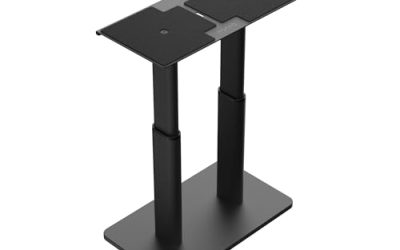
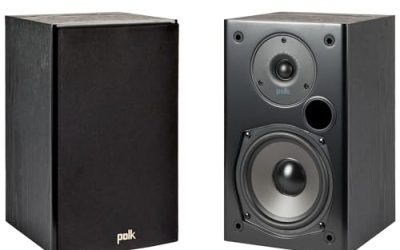
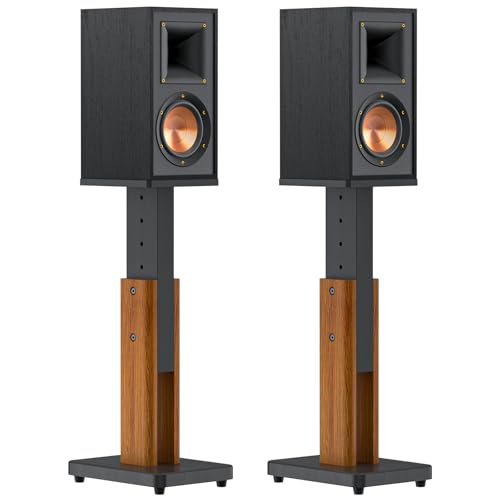
Bookshelf speakers are designed to sit at ear level, yet most of them end up on a media console, a desk edge or a dusty shelf, firing at the sofa cushions or the ceiling. A pair of floor stands fixes that geometry, and it also pulls the cabinets away from walls and furniture that can blur the bass. The real decision is which stand fits the speaker: height range, top plate size, weight rating and cable handling decide whether the setup looks clean and stays steady.
This guide is for buyers setting up a stereo pair in a living room, a bedroom office or a small studio in 2026, and for anyone adding surround or satellite speakers to a home theater. Seven stand sets are compared below using only what appears in their listing titles. Details such as exact plate dimensions, base weight and finish are not always stated, so those are flagged as items to check on the listing.
Quick Picks
Our top picks



As an Amazon Associate we earn from qualifying purchases at no extra cost to you.
| Product | Best for | Key spec from the title |
|---|---|---|
| PERLESMITH Adjustable Stands | Tall seating positions | Extends 33.3 to 45.1 inches |
| PERLESMITH 27.56-Inch Stands | Lighter speakers, quick setup | Up to 22 lbs, 45 degree adjustable top plate, tool-free assembly |
| Kanto SPH Pair | Heavier bookshelf models | 24 to 42 in, holds 30 lb, steel, internal cable management |
| Fixed-Height Glass Base Pair | Maximum weight rating | 30 inch fixed height, 55 lbs capacity, 11.8 inch base |
| USX MOUNT Stands | Small satellites | 30.0 to 39.1 inches, up to 11 lbs per stand |
| MOUNTUP Stands | Mid-height listening | 28.3 to 37.4 inches, cable management |
| Rfiver 28-Inch Stands | Angled placement | Hold 44 lbs, 45 degree swivel glass top |
How to Choose
Set the height by ear, not by habit
The goal is for the tweeter, the small driver that handles treble, to sit roughly level with the ears of a seated listener. For many couches and chairs that lands somewhere in the range of 30 to 40 inches, which is why most adjustable stands in this roundup cover that window. A fixed 30 inch stand works if the seating is standard; an adjustable stand is safer if the room might change or if listeners alternate between desk chairs and sofas. Measure the ear height first and then compare it with the listed range.
Check weight rating against the speaker
Weight ratings in these listings run from 11 lbs per stand to 55 lbs. Look up the speaker weight on its own spec page and leave a healthy margin, since a shelf-sized speaker that is near the limit can make a stand wobble if bumped. Budget stands cut corners with thin columns and light bases, so a modest weight number is a sign to match small speakers only. Also confirm the stand is sold as a pair, because some listings sell a single one.
Top plate size and tilt
The top plate must be at least as large as the speaker footprint, or the cabinet overhangs and looks unstable. Some plates tilt or swivel, with the listings mentioning 45 degrees, which helps point speakers at the listening spot and speeds up toe-in adjustments. Non-slip pads or putty matter more than they sound, since vibration can make a plain glass top creep over time. Check plate dimensions on the listing because titles often skip them.
Cable management and base stability
Hollow columns or channels that hide the speaker wire make a room look finished and keep a pet or child from tugging on the cord. Base design matters just as much: a wide base resists tipping, though it needs floor space, while a narrow base saves room but wants a lighter speaker. On thick carpet, ask whether spikes or pads come included. Ignore decorative finishes if stability is the aim.
A few practical details sit outside the spec sheet but change the result. Leave space behind each speaker if it has a rear port, because a port pushed against a wall can sound boomy. Angle the pair inward so the tweeters aim at the listening position, a setup often called toe-in. Keep the two stands the same distance from the side walls so the stereo image stays balanced. Rugs and thick carpet can tilt a narrow base slightly, so check that each stand stands plumb after placement and press down gently on the top plate to confirm there is no rocking.
Think about safety in homes with pets or small children, too. A tall stand with a light base can be pulled over by a tug on a cable or a curious paw. A wide base, hidden cables and a conservative weight margin all lower that risk, and some buyers add anti-slip putty under each cabinet. Follow the manufacturer’s instructions for assembly and load limits, and re-check the connections every few months.
The 7 Best Options
PERLESMITH Adjustable Stands (33.3 to 45.1 Inches)
This pair is described as universal for surround sound, satellite, studio and bookshelf speakers, with a height range extending from 33.3 to 45.1 inches. That makes it one of the taller options here.
- Strength: the high end of the range suits tall seating or standing listening positions.
- Strength: a universal design means it is not tied to one speaker brand.
- Trade-off: the shortest setting is already 33.3 inches, so a low couch may be hard to match.
Skip it if the room has a low ceiling or the listening position is close to the floor.
PERLESMITH 27.56-Inch Stands
The second PERLESMITH listing leans on convenience: up to 22 lbs, a 45 degree adjustable top plate and tool-free assembly are the highlights in the title.
- Strength: tool-free assembly gets a pair standing in minutes.
- Strength: the adjustable plate helps aim speakers at the seat.
- Trade-off: the 22 lb limit rules out heavier floorstanding-class bookshelf models.
Skip it if the speakers are large and near the limit, because stability matters more than quick assembly.
Kanto SPH Pair
Kanto describes the SPH as heavy duty steel with a height of 24 to 42 in, a 30 lb hold and internal cable management. It is sold as a pair.
- Strength: a wide height range starts lower than most rivals, handy for desk-height and sofa setups.
- Strength: steel construction and internal cable management suit a clean, permanent installation.
- Trade-off: a 30 lb limit is lower than the heaviest options here, so very large cabinets need a closer look at the listing.
Skip it if the budget is tight and the speakers are light enough for a simpler stand.
Fixed-Height Glass Base Pair
This pair offers a fixed 30 inch height, a 55 lbs weight capacity, a glass base measuring 11.8 inches and cable management.
- Strength: the highest weight capacity in the group gives breathing room for larger bookshelf models.
- Strength: a fixed height removes loose adjustments that can shift over time.
- Trade-off: the height cannot be changed, so it only suits the right seating position.
Skip it if the listening position changes or the ear height is not close to 30 inches.
USX MOUNT Universal Stands
The USX MOUNT set extends from 30.0 to 39.1 inches and is described for satellite speakers and small bookshelf speakers up to 11 lbs per stand.
- Strength: a sensible adjustment span covers the usual ear-height range.
- Strength: suited to compact satellites that need only light support.
- Trade-off: the 11 lb per stand limit is the lowest in this roundup.
Skip it if the speakers are medium-size or larger, since the rating leaves little margin.
MOUNTUP Universal Stands
MOUNTUP covers 28.3 to 37.4 inches, holds bookshelf and large satellite studio speakers and mentions cable management in the visible title.
- Strength: a lower starting height suits desks and low seating.
- Strength: cable management helps keep the setup tidy.
- Trade-off: the maximum of 37.4 inches may fall short for very tall chairs; weight capacity should be confirmed on the listing.
Skip it if the seating position is high and the stands must reach above 40 inches.
Rfiver 28-Inch Stands
Rfiver pairs a 28 inch column with a swiveling glass top and a stated 44 lbs capacity. The title also mentions a 45 degree swivel and universal use for surround sound.
- Strength: the 44 lbs rating is the second highest here, which suits sizable bookshelf speakers.
- Strength: the swivel top makes angling the speakers simple.
- Trade-off: the 28 inch height is on the low end for a typical couch.
Skip it if the listening position needs a stand taller than 30 inches.
Which One Fits Your Situation
Bedroom office with a desk-height listening spot
The MOUNTUP stands or the Rfiver stands start low enough to sit near monitor and desk height, and both include features useful for a smaller footprint.
Living room with a pair of weighty bookshelf speakers
The Fixed-Height Glass Base Pair and the Rfiver stands have the highest listed weight ratings, which gives a safer margin for hefty cabinets.
Home theater surround setup behind the couch
The PERLESMITH 33.3 to 45.1 inch stands reach high enough to place surrounds above the heads of seated viewers.
Clean, long-term installation
The Kanto SPH Pair pairs a steel build with internal cable management, which suits a permanent room where wires should be hidden.
When two stands look equally suitable, let the weight rating and the plate size break the tie, then let the height range decide between them. A slightly taller range gives room for adjustment later, which matters if the speakers are replaced by a different size down the road. Looks come last, because a stable stand almost always ends up less noticeable than a flashy one.
Common Mistakes
- Choosing stands by looks and skipping the weight rating on the speaker spec page.
- Ignoring the top plate footprint so that cabinets overhang the edges.
- Placing stands tight against the wall, which can exaggerate bass and blur detail.
- Skipping the cable plan, then leaving speaker wire across a walking path.
- Assuming a listing is for a pair when some titles describe a single stand.
Related guides
- Electrical Testing Tools For Diy Projects
- Wireless Chargers For Iphone And Airpods
- Bookshelf Speakers Under 300 Dollars
Frequently Asked Questions
How high should bookshelf speaker stands be?
Aim for the tweeter to be close to ear height when seated. Measure from the floor to the ear in the main seat and compare that number with the stand range.
Can the stands handle the speaker if it is close to the weight limit?
It is better to stay well under the rating. A large safety margin makes the setup less prone to wobble if bumped or if the cabinet shifts.
Do stands improve sound compared with a shelf?
Stands can improve placement by lifting speakers to ear height and away from walls. Results still depend on the room and the speakers, so expect a change in imaging rather than a transformation.
Is tool-free assembly important?
It mainly saves time at setup. Stability, plate size and weight rating deserve more attention, but easy assembly is a bonus for renters who move often.
More from Amazon
Programs that pair well with the guide above. Offers and eligibility are set by Amazon and may change.
Free shipping on eligible items, Prime Video and more. Eligible new members can start with a free trial.
Start a Prime free trialAd-free music streaming. Eligible new subscribers can start with a free trial.
Try Music Unlimited freeA Prime membership for ages 18-24 with a trial period. Eligibility is set by Amazon.
See Prime for Young AdultsAudiobooks and podcasts to listen to on the go. Eligible new members can start with a free trial.
Try Audible freeAs an Amazon Associate we earn from qualifying purchases.