Key takeaways
- Foldable smartphone guide review 5925.html: compare book-style and flip foldables, displays, cameras, hinge durability, and battery life before you choose.
A foldable smartphone guide review 5925.html is the right place to start if you are curious about phones that unfold into something bigger. Foldable phones are no longer a novelty reserved for early adopters. Book-style foldables open like a small tablet, flip foldables fold in half and slip into a pocket, and both kinds now come with bright displays, capable cameras, long software support, and hinges built to survive years of daily folding. The idea is simple: one device that works as a normal phone when closed and as a much larger screen when open.
The quick answer is that the best foldable for you depends on how you plan to use the big screen. If you want a tablet-like workspace for reading, multitasking, and video, a book-style foldable is the natural fit. If you want a compact phone that still gives you a full-size screen when you open it, a flip foldable makes more sense. Cameras, battery life, durability, and software all matter too, and they vary more between foldables than they do between ordinary slab phones. This guide walks through how to choose, then looks closely at three foldable smartphones that cover both styles and three different approaches to the same idea.
Quick Picks
| Product | Best For | Key Spec |
|---|---|---|
| Samsung Galaxy Z Fold6 | Multitasking and tablet-style use | 7.6-inch inner display, 12GB RAM, 256GB storage, 4400mAh battery |
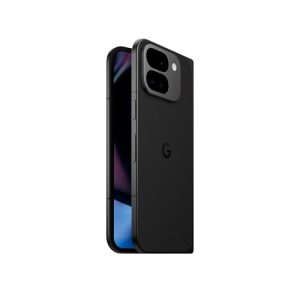
| Google Pixel 9 Pro Fold | Clean Android experience and photography | 8-inch inner display, 16GB RAM, 256GB storage, triple rear camera |
| Motorola razr 2024 | Compact flip design and everyday value | 6.9-inch pOLED display, 3.6-inch external display, 50MP camera, 4200mAh battery |
How to Choose
Choosing a foldable is different from choosing a regular phone. The hinge, the crease, the cover screen, and the way apps behave on a square-ish inner display all shape the experience. Work through the points below before you settle on a style.
Book-Style or Flip-Style
The first decision is the form factor. Book-style foldables, such as the Galaxy Z Fold6 and the Pixel 9 Pro Fold, open sideways into a wide inner screen that is close to a small tablet. They suit reading documents, watching video, running two apps side by side, and working with a keyboard on screen. Flip foldables, such as the Motorola razr 2024, fold top to bottom. Closed, they are small and pocket-friendly; open, they are a normal tall smartphone. They suit people who want a full phone that takes up less space, rather than a phone that becomes a tablet. Think about which screen you will use more. If the answer is the big inner screen, go book-style. If the answer is the phone in your pocket, go flip.
Inner Display Quality
The inner display is the reason to buy a foldable, so look at it closely. Size matters, but so do brightness, refresh rate, and how visible the crease is. A 120Hz refresh rate makes scrolling and animations feel smooth on both the inner and cover screens. High brightness matters outdoors, where a dim folding display can be hard to read. The crease down the middle of the inner display is present on every current foldable to some degree; it is usually most noticeable when the screen is off or when you run a finger across it, and it tends to fade from attention during normal use. A larger inner display is better for split-screen work, while a slightly smaller one keeps the phone lighter and easier to hold.
Cover Screen Usefulness
The cover screen decides how often you need to open the phone at all. On a book-style foldable, the cover screen is a narrow but fully usable phone display for messages, calls, maps, and quick checks. On a flip foldable, the external display is smaller, yet on the razr 2024 it is a fully functional 3.6-inch screen that handles notifications, music, and quick replies without opening the phone. A useful cover screen saves time and saves the hinge from unnecessary folds. Check whether the cover screen runs the apps you use most, and whether its size and shape feel comfortable for typing.
Hinge and Durability
The hinge is the moving part that makes a foldable work, and it deserves attention. Look for a hinge that opens smoothly, holds its position at different angles, and closes flat without a gap. Water resistance is another practical point: several current foldables carry an IPX8 rating, which means they are built to handle submersion in fresh water under defined conditions. Dust remains a weaker point for folding phones in general, because the hinge mechanism has moving parts, so a case and sensible care matter. Also consider the materials: aluminum frames, toughened cover glass, and a protective finish on the inner display all help a foldable survive daily life. Ask how the phone is meant to be used at half-folded angles too, since that flex mode is useful for hands-free photos and video calls.
Cameras
Foldable cameras have improved a lot, but they still differ from one model to another. Book-style foldables usually carry a triple rear camera with a main sensor, an ultrawide lens, and a telephoto lens, which covers everyday photography, landscapes, and zoomed shots. Flip foldables often pair a high-resolution main camera with an ultrawide lens and rely on the external display as a viewfinder, which makes selfies with the rear camera easy and framing accurate. Look at the main sensor size, the presence of optical image stabilization, and how the phone handles low light and video. The ability to prop the phone half-open and shoot hands-free is a genuine advantage of the folding design, and it is worth using if you take group photos or record video often.
Battery Life and Charging
A foldable has two screens to power, so battery capacity and efficiency matter. Book-style foldables typically carry batteries in the 4400mAh to 4650mAh range, while flip foldables sit a little lower, around 4000mAh to 4200mAh. Real battery life depends on how much time you spend on the large inner screen, how bright you keep it, and whether you use demanding apps. Fast wired charging and wireless charging are both useful, and a phone that charges quickly is easier to live with when the battery runs low during a long day. Check the charging wattage and whether wireless charging is supported, since that varies between models.
Software and Multitasking
Software is where a foldable either earns its keep or feels like an ordinary phone with a party trick. Good foldable software lets you run two or three apps side by side, drag content between them, and continue what you were doing on the cover screen when you unfold the phone. It should also handle apps that are not designed for a large square display without awkward stretching or black bars. Long software support matters as well, because a foldable is a long-term purchase and you want security updates and new features for years. Consider the AI features each maker includes, from photo editing to live translation and smart summaries, and whether those features fit how you actually use a phone.
The Best Foldable Smartphone Guide Review 5925.html Reviewed
The three phones below represent the two main foldable styles and three different priorities: multitasking power, photography and clean software, and compact everyday design. Every one of them is a foldable smartphone, and each one is available on Amazon US.
Samsung Galaxy Z Fold6 (B0DMWQGNSF)
The Samsung Galaxy Z Fold6 is the book-style foldable for people who want their phone to double as a small tablet. Open it up and the 7.6-inch inner display, with a 120Hz refresh rate and a resolution of 2208 x 1768, gives you room for two apps side by side, a large keyboard, or a comfortable reading view. Closed, it works as a regular phone with a tall cover display. Inside, it pairs 12GB of RAM with 256GB of storage and a Snapdragon processor, and the 4400mAh battery is built to carry you through a full day of mixed use. The phone is factory unlocked and works with 5G networks, and its foldable form factor is paired with water resistance and a fingerprint scanner.
Who it suits: readers, multitaskers, and anyone who wants a tablet-like screen without carrying a second device. It is a strong fit for work on the move, split-screen note taking, and video on a larger display.
Who should skip it: anyone who wants the smallest possible phone in a pocket, or who rarely uses more than one app at a time. The book-style shape is wider and heavier than a flip phone, and its strengths only pay off if you actually use the big inner screen.
Google Pixel 9 Pro Fold (B0D7V1J2Y1)

The Google Pixel 9 Pro Fold is the book-style foldable for people who care most about photography and a clean Android experience. Its inner display measures 8 inches, the largest display on a phone in this guide, paired with a 6.3-inch cover screen, both running at 120Hz. It carries 16GB of RAM, 256GB of storage, and a Google Tensor G4 processor, with a triple rear camera system built around a 48MP main sensor, a 10.5MP ultrawide lens, and a 10.8MP telephoto lens. The 4650mAh battery supports all-day use, and the phone is unlocked for use with major carriers. Gemini AI features are built in, including photo editing tools, hands-free photography in tabletop mode, and multitasking in split screen.
Who it suits: photographers, Google ecosystem users, and anyone who wants the largest folding screen with thoughtful AI features and a straightforward software experience. The tabletop mode is genuinely useful for group photos and video calls without a tripod.
Who should skip it: anyone who prefers a smaller, lighter phone, or who wants the longest possible track record for a folding design. The Pixel 9 Pro Fold is a second-generation foldable from Google, and its wide inner display makes it the largest phone in this guide when open.
Motorola razr 2024 (B0D3J9NQHL)
The Motorola razr 2024 is the flip foldable for people who want the folding idea in its most compact form. Closed, it is a small square that fits easily in a pocket or a small bag. Open it and you get a 6.9-inch pOLED display with a 120Hz refresh rate. The 3.6-inch external display is fully functional, so you can check messages, control music, and take photos without unfolding the phone. Inside, it offers 8GB of RAM and 256GB of storage, a 50MP main camera with a 13MP ultrawide and macro lens, and a 4200mAh battery with 30W TurboPower charging and wireless charging. The vegan leather finish, water resistance, and Gorilla Glass Victus cover give it a durable, comfortable feel, and it is unlocked for use with major US carriers.
Who it suits: anyone who wants a full-size phone that folds down to half its size, and who values a useful external display and a classic flip design. It is a good fit for everyday use, travel, and anyone who finds large phones awkward to carry.
Who should skip it: anyone who wants a tablet-size screen, heavy multitasking, or the most powerful processor available. The razr 2024 is built for compact everyday use, not for replacing a tablet.
What to Check Before You Buy
Before you buy a foldable, run through a short checklist. First, confirm the exact model, storage size, color, and carrier compatibility of the listing you are buying, because foldables come in many variants and a similar name can hide a different configuration. Unlocked models give you the most flexibility across carriers, while carrier-specific models may have limits. Second, check the warranty and the return policy, and read how the maker handles hinge and inner display repairs, since those are the parts unique to a foldable. Third, budget for a case designed for a folding phone and a screen protector made for the inner display, because ordinary accessories do not fit. Fourth, think about how you will transfer your data and whether your current apps work well on a folding display. Finally, handle a foldable in person if you can, even briefly, because the weight, the feel of the hinge, and the visibility of the crease are hard to judge from specifications alone.
FAQ
Are foldable smartphones durable enough for daily use?
Modern foldables are built for daily use, with aluminum frames, toughened glass, and hinges rated for many thousands of folds. Water resistance is now common on book-style and flip models. The inner display still needs more care than a glass slab screen, so a case and gentle handling help, and dust around the hinge is worth keeping in mind.
Is the crease on the inner display noticeable?
The crease is visible at certain angles and can be felt when you run a finger across the middle of the inner display. During normal use, especially with bright content on screen, most people stop noticing it quickly. It is a characteristic of current folding display technology rather than a defect in a particular model.
Do foldable phones have good battery life?
Battery life depends on how much you use the inner display, which draws more power than the cover screen. The book-style models in this guide carry larger batteries, while the flip model carries a smaller one suited to a smaller overall device. Keeping brightness moderate and using the cover screen for quick tasks helps the battery last longer through the day.
Can I use a foldable phone with any carrier?
Unlocked foldables work with major US carriers, including Verizon, AT&T, and T-Mobile, as well as many prepaid carriers. Always confirm the exact model and network bands on the listing before buying, and check that the phone supports the 5G bands your carrier uses in your area.
Which foldable style is better, book-style or flip?
Neither style is better in general; they serve different needs. Book-style foldables suit multitasking, reading, and media on a larger screen. Flip foldables suit compact carrying and everyday phone use with a full-size screen when open. Choose based on how you will use the unfolded screen, not on which style looks more impressive.
Bottom Line
A foldable smartphone is worth considering if you want one device to cover two jobs: a normal phone when closed and a larger screen when open. The Samsung Galaxy Z Fold6 is the strongest choice for multitasking and tablet-style use. The Google Pixel 9 Pro Fold is the strongest choice for photography and a clean Android experience on the largest folding display in this guide. The Motorola razr 2024 is the strongest choice if you want a compact flip phone that is easy to carry and easy to live with. Pick the style that matches your daily habits, check the storage, carrier compatibility, and warranty on the exact listing, and you will get a phone that feels genuinely different from the slab phones that came before it.
Disclosure: As an Amazon Associate, we may earn from qualifying purchases.
More from Amazon
Programs that pair well with the guide above. Offers and eligibility are set by Amazon and may change.
Free shipping on eligible items, Prime Video and more. Eligible new members can start with a free trial.
Start a Prime free trialAd-free music streaming. Eligible new subscribers can start with a free trial.
Try Music Unlimited freeA Prime membership for ages 18-24 with a trial period. Eligibility is set by Amazon.
See Prime for Young AdultsAudiobooks and podcasts to listen to on the go. Eligible new members can start with a free trial.
Try Audible freeAs an Amazon Associate we earn from qualifying purchases.