Key takeaways
- Fresh raspberry: The clearest visual cue for the raspberry liqueur.
- Pineapple wedge: A tropical presentation that reinforces the juice.
- Three raspberries on a pick: A neat option for a party or dinner service.
- Thin lemon twist: Adds a restrained citrus aroma and makes a sweeter recipe feel fresher.
- No garnish: Best when you want the pink color and pineapple foam to remain the focus.
A balanced French martini recipe cocktail uses 2 ounces vodka, 1 ounce pineapple juice, and 1/2 ounce Chambord, shaken with ice for 12–15 seconds and strained into a chilled glass.
This three-ingredient mix produces a fruity, lightly tart drink with a soft raspberry finish. The recipe below keeps the pineapple from overwhelming the vodka and gives you simple ways to make the drink drier, sweeter, stronger, or less alcoholic without losing its character.
Our top picks


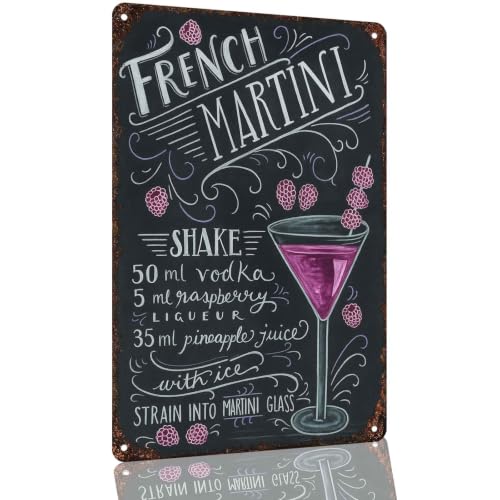
As an Amazon Associate we earn from qualifying purchases at no extra cost to you. Ratings are shown as listed on Amazon.
French Martini Ingredients and Exact Measurements
| Ingredient | Standard amount | Purpose | Adjustment range |
|---|---|---|---|
| Vodka | 2 oz (60 ml) | Clean structure and alcohol base | 1 1/2–2 1/2 oz |
| Pineapple juice | 1 oz (30 ml) | Fruitiness, acidity, and foam | 3/4–1 1/2 oz |
| Chambord or raspberry liqueur | 1/2 oz (15 ml) | Raspberry flavor, color, and sweetness | 1/4–3/4 oz |
| Ice | Enough to fill shaker | Chilling and controlled dilution | Use large, solid cubes when possible |
Use a neutral vodka rather than a strongly flavored one. Fresh or refrigerated pineapple juice usually gives a brighter result, while shelf-stable juice tends to taste softer and sweeter. Chambord is the best-known raspberry liqueur for this drink, but a comparable raspberry liqueur can work if it has a similar sweet-tart profile.
How to Make a French Martini
- Chill the serving glass. Place a coupe or martini glass in the freezer for 10–15 minutes, or fill it with ice and cold water while mixing.
- Measure the ingredients. Add 2 ounces vodka, 1 ounce pineapple juice, and 1/2 ounce Chambord to a cocktail shaker.
- Add ice. Fill the shaker about two-thirds full with fresh, hard ice. Avoid using ice that has already melted in a glass, since it can make the drink watery.
- Shake for 12–15 seconds. Use a firm, continuous shake. This chills the drink, adds a modest amount of dilution, and aerates the pineapple juice into a light foam.
- Strain immediately. Empty any meltwater from the serving glass, then strain the cocktail through the shaker’s built-in strainer. For a smoother drink, use a fine-mesh strainer as well.
- Garnish and serve. Add one garnish and serve while cold.
A finished French martini should be cold, lightly frothy, and deep pink rather than opaque red. If it tastes harsh, the usual issue is insufficient shaking or chilling. If it tastes thin, the ice was probably too wet, the shake was too long, or the juice-to-spirit balance needs adjustment.
Choosing the Right Glass and Shaker
A chilled coupe gives the drink a broad aroma and a slightly more stable shape than a traditional V-shaped martini glass. A small stemmed cocktail glass also works well. Aim for a serving capacity of 5–7 ounces; oversized glasses allow the drink to warm quickly and make the portion look smaller.
| Bar tool or glass | Useful specification | Best for |
|---|---|---|
| Two-piece shaker | 18–28 oz total capacity | One or two cocktails and easy cleaning |
| Three-piece cobbler shaker | 18–24 oz capacity, built-in strainer | Beginners who want an all-in-one tool |
| Jigger | 1 oz and 1/2 oz markings | Accurate measurement of the recipe |
| Coupe or martini glass | 5–7 oz capacity | Keeping the cocktail cold and proportionate |
Stainless-steel shakers are generally easier to maintain than plated or decorative models. The gasket in a three-piece shaker can wear first, especially if it is left wet or exposed to sticky juice. Rinse the shaker, strainer, and jigger promptly after use, then dry them fully. Pineapple residue becomes noticeably harder to remove once it dries.
Sweetness and Strength Adjustments
The standard ratio is a useful starting point, but pineapple juice and raspberry liqueurs vary considerably. Adjust one ingredient at a time so you can identify what changed.
For a drier French martini
Use 1/4 ounce Chambord instead of 1/2 ounce, keeping the vodka and pineapple juice unchanged. This reduces sweetness while preserving raspberry aroma. If the result is still too sweet, reduce the pineapple juice to 3/4 ounce and add 1/4 ounce cold water before shaking. The water replaces some of the expected dilution without adding more sugar.
For a sweeter, fruit-forward drink
Increase Chambord to 3/4 ounce, or use 1 1/4 ounces pineapple juice. The first option intensifies raspberry flavor; the second makes pineapple the dominant fruit. Avoid increasing both at once unless you want a dessert-like cocktail.
For a stronger cocktail
Use 2 1/2 ounces vodka, 3/4 ounce pineapple juice, and 1/2 ounce Chambord. Shake for the full 15 seconds to provide enough chilling and dilution. This version tastes less juicy and should be served in a properly chilled glass.
For a lighter cocktail
Use 1 1/2 ounces vodka, 1 ounce pineapple juice, and 1/2 ounce Chambord. The flavor remains recognizable, but the drink will be softer and more fruit-led. Do not simply add extra juice to the standard recipe; that can make the cocktail taste flat rather than balanced.
Garnish Options That Fit the Flavor
- Fresh raspberry: The clearest visual cue for the raspberry liqueur.
- Pineapple wedge: A tropical presentation that reinforces the juice.
- Three raspberries on a pick: A neat option for a party or dinner service.
- Thin lemon twist: Adds a restrained citrus aroma and makes a sweeter recipe feel fresher.
- No garnish: Best when you want the pink color and pineapple foam to remain the focus.
Pat fruit dry before garnishing so excess water does not dilute the surface of the drink. Avoid combining a large pineapple wedge with a lemon twist unless you specifically want a more decorative, tropical presentation.
Common Mistakes and Fixes
| Problem | Likely cause | Fix for the next drink |
|---|---|---|
| Too sweet | Too much liqueur or sweet pineapple juice | Use 1/4 oz Chambord or reduce juice to 3/4 oz |
| Too weak and watery | Wet ice, prolonged shaking, or oversized glass | Use fresh ice, shake 12–15 seconds, and serve in a 5–7 oz glass |
| Harsh alcohol taste | Drink was not chilled or diluted enough | Chill the glass and shake firmly for the full time |
| Little or no foam | Insufficient agitation or low-pulp juice | Shake more vigorously and use refrigerated pineapple juice |
| Flat fruit flavor | Old juice or excessive dilution | Use fresh juice and avoid reusing shaker ice |
Batching for a Small Gathering
For four cocktails, combine 8 ounces vodka, 4 ounces pineapple juice, and 2 ounces Chambord in a sealed bottle or pitcher. Refrigerate the mixture for up to a few hours, then shake each 3 1/2-ounce portion with fresh ice for 12–15 seconds before straining. Do not add ice to the batch in advance; it will dilute unevenly and reduce the drink’s final texture.
If you need to serve several drinks quickly, pre-chill the batch and glasses, but still shake individual portions. The shaking step supplies the aeration that gives pineapple juice its characteristic surface foam.
French Martini Recipe Cocktail: Final Ratio
For the most dependable balance, remember the 4:2:1 ratio: 2 ounces vodka, 1 ounce pineapple juice, and 1/2 ounce raspberry liqueur. Shake with fresh ice for 12–15 seconds, strain into a chilled 5–7-ounce glass, and begin with a single raspberry or lemon twist. From there, reduce the liqueur for a drier drink or increase it to 3/4 ounce when a sweeter raspberry finish is preferred.